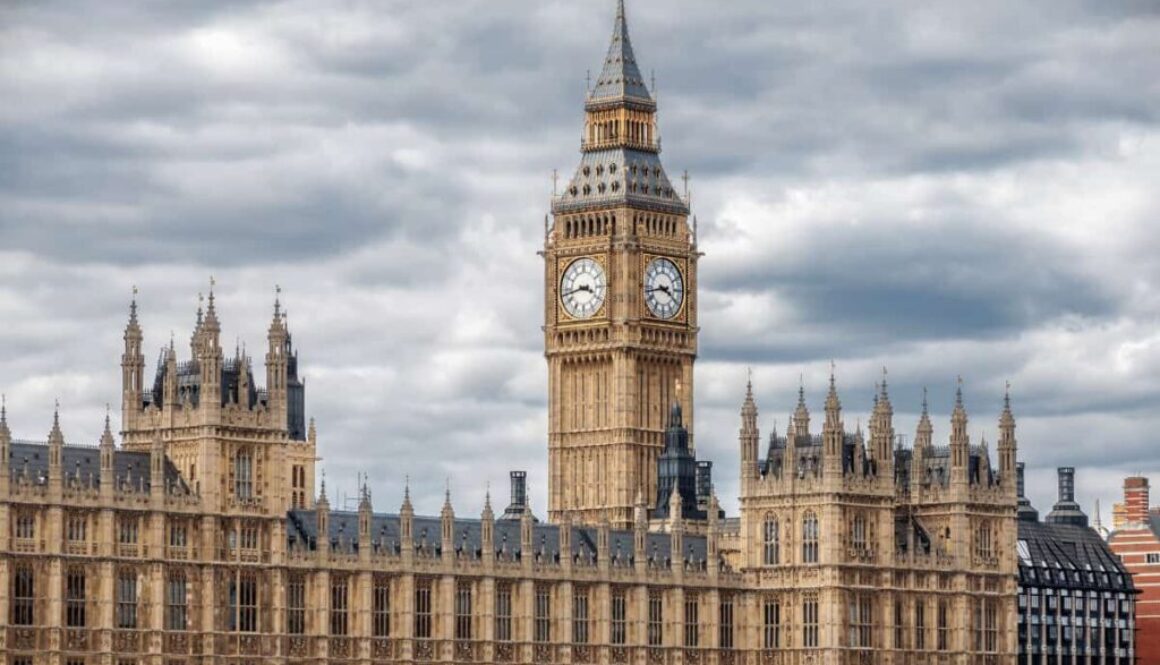
President Donald Trump named Federal Housing Finance Agency Director Bill Pulte as Acting Director of National Intelligence on Tuesday. The pick drew immediate celebration from Bitcoin holders tracking his pro-crypto record.
The 38-year-old will keep his FHFA role and chairmanship of Fannie Mae and Freddie Mac. He will dual-hat the positions until a permanent DNI is nominated and confirmed.
Trump Picks Acting DNI
Pulte’s Pro-Crypto Record at FHFA
In June 2025, Pulte ordered Fannie Mae and Freddie Mac to recognize crypto in mortgage assessments. The directive removed any requirement that borrowers liquidate holdings first.
Bill is a great guy who recognizes that the bureaucracy of the intel community must respond to the elected leadership (rather than the other way around). He’ll do great! pic.twitter.com/nlK2tWXZjl
However, only assets held on U.S.-regulated exchanges qualify under the strict custody restrictions attached to the rule.
Federal disclosures list his personal holdings in Bitcoin (BTC), Solana (SOL), and miner MARA Holdings. Spousal crypto exposure reaches up to $2 million.
A Bitcoiner was just picked for DNI role,” cheered David Bailey.
Vice President JD Vance defended the pick in a separate post praising Pulte’s posture toward the intelligence community.
Bill is a great guy who recognizes that the bureaucracy of the intel community must respond to the elected leadership (rather than the other way around),” Vance added.
However, critics highlight Pulte’s lack of intelligence or national security background.
MAJOR BREAKING: Trump just put Bill Pulte, who has NO background in national security, and weaponized government to go after Trump Critics Letitia James, Adam Schiff, and Lisa Cook, in as the Acting Director of National Intelligence.
They note federal statute favors such experience, especially as the crypto market structure debate heats up in Congress. The acting role itself does not require Senate confirmation.
“He appears to have been selected precisely because the White House believes he will provide the narrative it wants, not the intelligence we need,” stated Senator Mark Warner.
The BeInCrypto Institutional 100 Awards 2026 enters its final stage with the Regulation & Governance pillar narrowed to 16 shortlisted entries across four categories.
This pillar covers the firms, legal experts, and government frameworks shaping how digital assets move into regulated markets. It includes compliance vendors, corporate governance leaders, institutional legal counsel, and live regulatory frameworks.
The winners were announced at Proof of Talk in Paris on June 2, 2026. Entries below are listed alphabetically within each category. They are not ranked.
Best Digital Asset Compliance Program
This category recognizes blockchain analytics, KYC, AML, and Travel Rule platforms now embedded in institutional crypto and banking compliance stacks.
Shortlisted Firm
Why It Made the Shortlist
Chainalysis
Chainalysis serves more than 1,000 institutional, government, and crypto-native clients. Its platform includes blockchain analytics, AI Agents launched in April 2026, and the ACE compliance engine. A Q2 2026 integration extends ACE coverage across exchanges and banks.
Elliptic
Elliptic closed a $120 million Series D led by One Peak on May 12, 2026, at a $670 million valuation. The raise reinforced its position as a leading cross-chain blockchain analytics provider for regulators, banks, and exchanges.
Sumsub
Sumsub serves more than 4,000 clients, including Mercuryo, Bybit, Huobi, and NiceHash. It averages verification in roughly 30 seconds, connects Travel Rule coverage across 1,800-plus VASPs, and ranks in the top 20 of the Chartis FCC50 financial crime compliance report.
TRM Labs
TRM Labs closed a $70 million Series C in February 2026 at a $1 billion valuation. The round was led by Blockchain Capital. The company’s revenue has grown by more than 150% annually, with coverage spanning more than 100 blockchains and 200 million assets.
Best Crypto Corporate Governance
This category recognizes institutions setting the standard for risk controls, disclosure, and governance as they integrate digital assets into regulated operations.
Shortlisted Firm
Why It Made the Shortlist
BNY
BNY oversees $59.4 trillion in assets under custody and administration. It was the first US bank to receive an SEC exemption from SAB 121 for crypto custody. The bank is now extending its governance model into tokenized deposits through its Digital Assets Platform.
Circle
Coinbase combines its NYSE listing under COIN with one of the strongest institutional custody positions in the US. Coinbase Custody holds more than 80% of US spot Bitcoin and Ether ETF assets.
Coinbase
Standard Chartered runs one of the deepest digital asset stacks among global systemically important banks. Its operations span Zodia Custody, acquired in May 2026; Zodia Markets; Libeara tokenization; a January 2026 prime brokerage launch; and a May 2026 investment in GSR at a valuation above $1 billion.
Standard Chartered
Standard Chartered runs one of the deepest digital asset stacks among global systemically important banks. Its operations span Zodia Custody, acquired in May 2026, Zodia Markets, Libeara tokenization, a January 2026 prime brokerage launch, and a May 2026 investment in GSR at a valuation above $1 billion.
Institutional Legal Counsel of the Year
This category recognizes law firms and individual practitioners leading institutional work in digital asset regulation, securities, enforcement, and disputes.
Shortlisted Name
Why It Made the Shortlist
Davis Polk & Wardwell
Davis Polk is ranked Band 1 for FinTech Legal: Blockchain & Cryptocurrencies by Chambers FinTech. The firm advised Galaxy on the first tokenization of SEC-registered public equity on a major blockchain. Key partners include Robert Cohen, Joseph Hall, and Byron Rooney.
Debevoise & Plimpton
Debevoise & Plimpton is a multi-year Chambers-ranked firm in FinTech Legal: Blockchain & Cryptocurrencies and Crypto-Asset Disputes. It also published a major institutional analysis of the SEC’s March 17, 2026 interpretive release applying the Howey test to crypto assets.
Lewis Rinaudo Cohen
Cohen is Co-Chair of CahillNXT at Cahill Gordon & Reindel. He is one of seven US lawyers ranked Band 1 by Chambers for blockchain work, has testified before the US Senate, and authored a Law360 analysis of the SEC’s March 2026 Howey guidance.
Sullivan & Cromwell
Sullivan & Cromwell is a Chambers-ranked Crypto-Asset Disputes firm with deep bank regulatory expertise. The firm handles SEC and CFTC registrations, crypto-exchange enforcement matters, and major digital asset bankruptcy and insolvency mandates.
Regulatory Framework of the Year
This category recognizes live government frameworks that have set benchmarks for licensing, stablecoin issuance, investor protection, and digital asset supervision.
Shortlisted Framework
Why It Made the Shortlist
Dubai VARA Regulations
VARA, established in March 2022, is the world’s first dedicated virtual assets regulator. It operates a Full Market Product framework covering issuance, custody, exchange, broker-dealer activity, and derivatives as of April 2026. VARA issued more than 36 enforcement actions in 2024 and 2025.
EU MiCA
MiCA brought the European Union’s full crypto-asset framework into application in December 2024. It set harmonized standards for CASP authorization, stablecoin reserves, redemption, and disclosure across the bloc. DeFi-specific work is expected to begin in mid-2026.
Hong Kong Stablecoins Ordinance
Hong Kong’s Stablecoins Ordinance took effect on August 1, 2025. It established an HKMA issuer licensing regime with full reserve backing and 1:1 redemption requirements. Standard Chartered is among the candidates for one of the first licenses.
Singapore MAS DTSP + Stablecoin Framework
MAS’s Digital Token Service Provider regime took effect on June 30, 2025, under Part 9 of the FSMA. Singapore’s stablecoin framework also requires 100% reserve backing and five-business-day par redemption for the official “MAS-regulated stablecoin” label.
About the BeInCrypto Institutional 100
The BeInCrypto Institutional 100 is an annual research program covering 25 categories across six pillars: Capital Markets & Infrastructure, Access to Digital Assets, Tokenization & On-Chain Finance, Enterprise Blockchain, Regulation & Governance, and Retail to Crypto Bridge.
The 2026 evaluation window ran from April 2025 through March 2026.
Shortlists were selected through BeInCrypto’s editorial research methodology and blind scoring by an external panel of institutional digital asset practitioners.
Each category follows one of three scoring tracks, depending on the data profile of the market. Public filings, regulatory registers, audited reports, on-chain data, ETF flow trackers, and nominee disclosure forms were used where available.
Final blended scores are not published. Inclusion on the shortlist reflects the combined outcome of research and judge review.
[PRESS RELEASE – Amsterdam, Netherlands, June 1st, 2026]
For decades, payout providers have followed the same business model: businesses move money – providers take a cut. NOWPayments believes that model is outdated and has launched Zero-Fee Ecosystem Payouts – a new crypto payout infrastructure designed around a different idea: partners shouldn’t just pay payout providers. They should be able to earn together with them.
Instead of monetizing every payout, NOWPayments is introducing an ecosystem where high-volume partners can benefit from the economic activity created around their users and payout flows – while also accessing instant settlement and zero-fee transfers.
Powered by custody infrastructure and integrated with ChangeNOW Pro wallets, the new system enables crypto payouts via email with settlement speeds of up to 1 second and zero service or network fees inside the NOWPayments ecosystem.
Recipients simply receive a secure payout link via email. Once opened, a ChangeNOW Pro ecosystem wallet is automatically created and funds become available instantly – no wallet setup, no seed phrases and no onboarding friction.
The result is a payout experience that feels more like sending an email than managing a traditional crypto transfer.
The launch builds on NOWPayments’ Mass Payouts infrastructure, already used for large-scale crypto transfers through CSV and API integrations.
Typical use cases include:
Affiliate and creator rewards
Global payroll
Partner settlements
Treasury operations
Marketplace payouts
For enterprises processing 10,000+ monthly payouts, the ChangeNOW Pro ecosystem can reduce operational overhead by up to 70% by simplifying treasury workflows, eliminating payout setup friction and enabling instant ecosystem settlement.
The company says this model is especially relevant for platforms operating large payout volumes, affiliate ecosystems, marketplaces and businesses managing global user payments at scale.
High-volume businesses don’t just receive a payout tool – they enter a dedicated partnership with access to treasury optimization, dedicated account management and revenue-focused payout advisory.
Enterprise partners receive dedicated 24/7 support with response times below 15 minutes, custom integration guidance and quarterly business reviews focused on maximizing payout efficiency and partner earnings.
“We believe payout providers should stop making money only from their partners,” said Kate Lifshits, CEO of NOWPayments. “For too long, businesses accepted payout fees as the price of moving money. We’re introducing a different approach – one where partners can earn together with NOWPayments while benefiting from faster infrastructure and zero-fee transfers. Payouts shouldn’t just cost businesses money. They should create value for them.”
NOWPayments supports more than 350 cryptocurrencies and 30+ stablecoins, processes over 30 million transactions monthly and has facilitated more than $10 billion in lifetime transaction volume.
The new payout infrastructure is available to custody-enabled users across the NOWPayments ecosystem.
About NOWPayments
NOWPayments is a global crypto payment gateway that enables businesses to accept payments and send payouts in cryptocurrencies. The platform supports 350+ cryptocurrencies and 30+ stablecoins, while offering enterprise-ready tools such as invoices, payment widgets, subscriptions, payment buttons, donation tools, point-of-sale solutions, plug-ins, and fiat payment options. Businesses can also benefit from zero-fee payouts with settlement speeds of up to 1 second, helping streamline operations and scale crypto payments efficiently.
Western governments spent three years building what they believed was an airtight financial blockade around Russia, severing its banks from SWIFT, freezing sovereign reserves, and barring major institutions from clearing dollar transactions.
And according to British authorities, Russia may have spent much of that same period engineering an alternative financial system designed to circumvent it entirely.
On May 26, the UK’s Foreign, Commonwealth & Development Office sanctioned 18 entities and individuals, including Huobi (HTX), a Justin Sun-advised exchange that processed $3.3 trillion in trading volume in 2025, and a Kyrgyzstan-linked stablecoin issuer, for allegedly helping Russia evade Western restrictions.
What distinguishes this package of sanctions from previous attempts is the legal instrument Britain reached for. For the first time, the UK applied Regulation 17A of its Russia sanctions regime to crypto exchanges.
It’s a tool that was previously reserved only for sanctioned banks, requiring all financial firms in the UK to freeze funds and sever correspondent relationships with the designated entities. Extending that rule from banks to crypto exchanges shows that regulators now see parts of the crypto industry as infrastructure equivalent to formal financial institutions.
While it’s safe to say that this doesn’t fare well for the affected exchanges, it’s a pretty significant change in how economic warfare is being waged in the UK.
The primary target of the new set of sanctions is the A7 network, a Kremlin-backed system the government says was built to bypass Western sanctions, finance military procurement, and process revenue from Russian oil exports.
A Kremlin-backed network, and the $90 billion it allegedly processed
A7 was founded in October 2024, and the UK has connected its ownership structure to the Russian government.
The majority stake belongs to Ilan Shor, an Israeli-Moldovan oligarch convicted in 2017 for his role in the theft of $1 billion from three Moldovan banks, who later received Russian citizenship.
The minority stake belongs to Promsvyazbank, a Russian state-owned bank sanctioned in 2022 for financing Russia’s military-industrial complex.
The Kremlin’s blessing was explicit: when A7 opened a physical branch in Vladivostok in September 2025, Vladimir Putin attended the virtual ribbon-cutting ceremony. A7 has also expanded into Lagos and Harare, opening offices in Nigeria and Zimbabwe as part of a push into jurisdictions less exposed to Western regulatory pressure.
While it’s not the first or last state-owned or sponsored bank to be accused of evading sanctions, it’s the scale of the operation that got the UK worried. The UK government says the A7 network claimed to have moved more than $90 billion in 2025 alone, a figure it describes as roughly equivalent to half of Russia’s annual military spending.
Chainalysis came out with a similar figure for A7A5, the ruble-backed stablecoin that serves as A7’s primary settlement rail: $93.3 billion in transactions processed in under a year, functioning as a dedicated payment system for sanctioned Russian businesses conducting cross-border trade.
The two figures refer to slightly different things (the network versus the token), but they’re describing the same underlying infrastructure and show this is considerably larger than a peripheral evasion operation.
According to the UK government’s official statement, the broader sanctions effort since 2022 has stripped more than $450 billion from Russia’s economy, the equivalent of two years of war funding, even as Russia’s Economy Ministry this month cut its 2026 growth forecast from 1.3% to just 0.4%.
TRM Labs traced $4.9 billion in direct transfers from HTX to UK-designated entities since 2021, including $1.95 billion to the already-sanctioned Garantex in 2022 and $838 million to A7 in 2025 alone. These figures sit alongside the UK’s own assessment that one exchange in the network channeled at least $1.5 billion back toward the Kremlin.
HTX has since disputed the accusation, arguing in a public statement that it applies only to Huobi Global S.A. as a separate legal entity and that its exchange operations and user funds remain unaffected, adding that it would engage directly with UK authorities on the matter.
How stablecoins became Russia’s preferred evasion rail
After it was faced with sanctions in 2022, Russian businesses turned heavily to Tether’s USDT for international transactions, since the dollar-pegged stablecoin could move across borders quickly and without requiring correspondent banking relationships that Western sanctions had effectively closed off.
USDT offered Russian firms the stability of the dollar and the frictionless transferability of crypto, a combination that served them well until US authorities seized Garantex’s USDT holdings in March 2025 and Tether froze wallets linked to the sanctioned exchange, exposing the fundamental liability of any token subject to centralized freeze controls.
A7A5 is essentially the answer to that vulnerability. Issued by a Kyrgyz entity called Old Vector LLC and backed by ruble deposits held at Promsvyazbank, it’s designed to work like USDT while resisting the specific pressure point that disabled Garantex.
After Garantex was shut down, its customers’ funds migrated to a successor exchange called Grinex, with A7A5 serving as the bridge that allowed them to move their balances without touching the global banking system.
The numbers running through it reflect a scale that the UK now sees as a systemic concern. According to Chainalysis’s 2026 Crypto Crime Report, sanctions evasion via crypto surged 694% in 2025, with sanctioned entities receiving roughly $104 billion through digital asset channels.
Stablecoins drove most of that volume, accounting for 84% of all illicit crypto transaction value.
Russia has also been leveraging its subsidized energy sector to capture roughly 16% of global Bitcoin mining capacity, effectively producing new coins with no on-chain link to any sanctioned wallet or entity, which serves as a separate but complementary layer of financial insulation.
The EU recognized that in its twentieth Russia sanctions package in April 2026, targeting A7A5 and the service layer around it. The UK’s action this week extends that coordinated response and brings banking-grade legal tools to bear on the exchanges facilitating those flows.
Whether that enforcement can keep pace with a financial system being actively engineered to anticipate and survive each new round of restrictions is the real question the $90 billion figure raises.
Western sanctions have certainly damaged Russia’s economy, but they’ve also, somewhat paradoxically, accelerated the construction of the alternative infrastructure that’ll outlast the war regardless of how it ends.
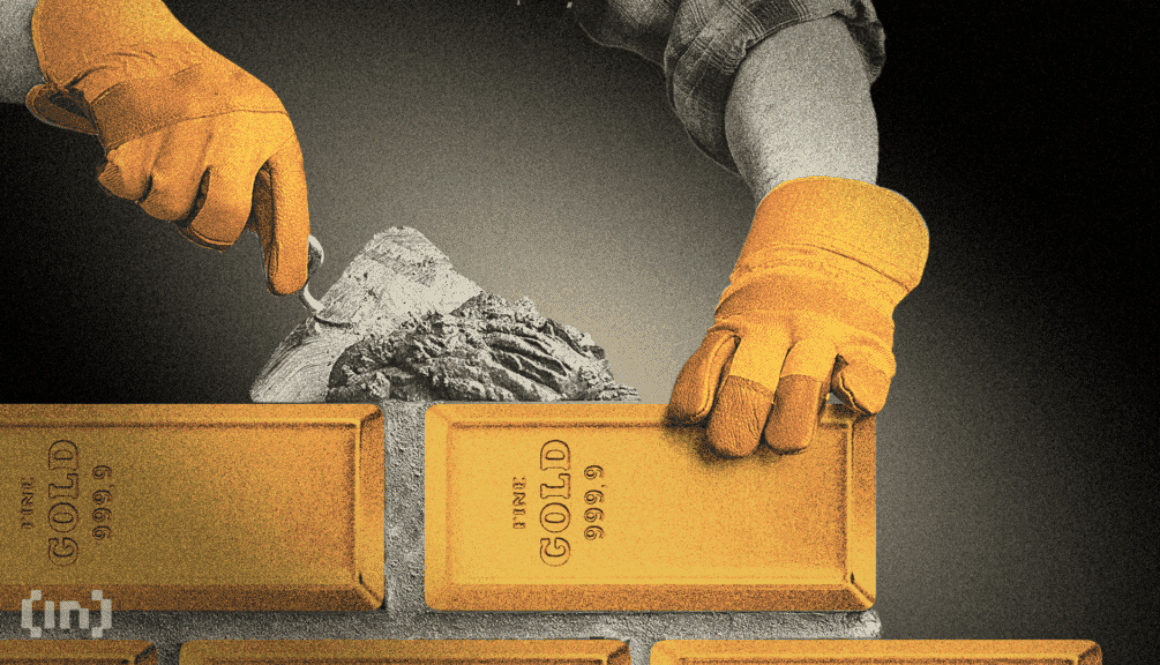
Trump renewed his push for a physical inspection of Fort Knox after a former senior CIA official was charged with stealing more than 300 gold bars worth over $40 million from the federal government.
The charges have intensified scrutiny over how the US tracks and verifies its gold holdings. Fort Knox has not undergone an independent public audit since 1974.
CIA Official Charged With Stealing $40 Million in Gold Bars
David Rush, a former senior executive-level CIA employee with top-secret clearance, was arrested on May 19 and charged with criminal theft of public money, per federal court filings in Virginia.
Between November and March, Rush requested and received a significant quantity of gold bars and foreign currency for work-related expenses, according to an FBI affidavit. What he intended to do with those funds remains unclear.
Federal agents searched his home on May 18 and seized more than 300 gold bars valued at over $40 million, roughly $2 million in US currency, and 35 luxury watches. Authorities arrested him the following day.
The FBI, working with the CIA and the Department of Justice, determined there was probable cause to believe Rush had stolen and converted government property for personal use. His attorney declined to comment.
Investigators also found Rush had allegedly fabricated his professional background, including false claims of being a Navy pilot and holding degrees from two universities.
Trump Calls for Fort Knox Inspection
The arrest drew immediate political attention. Trump posted on Truth Social, linking the case to Fort Knox audit questions he has raised since early 2025.
Countries with the largest gold reserves in the world (Dec 2025), Source: Statista
Trump addressed the Fort Knox question in a May 10 interview, saying he still wants to verify the contents of the depository himself.
“I do want to go to Fort Knox sometime. I want to see if the gold is there, which I’m sure it will be.”
Fort Knox holds approximately 147 million ounces of gold, about 59% of the US official reserves, with an estimated value of around $700 billion. The reserve’s scale has amplified interest in tokenized gold crypto markets, which gained traction during gold’s 2026 rally.
Treasury Secretary Scott Bessent has dismissed the concerns. He said that all gold is present and that the Treasury conducts annual internal audits. He has invited any member of Congress to visit and verify.
No authority has announced a formal inspection timeline. The Department of Government Efficiency, which previously floated the idea of an audit, has not followed up with a concrete plan.
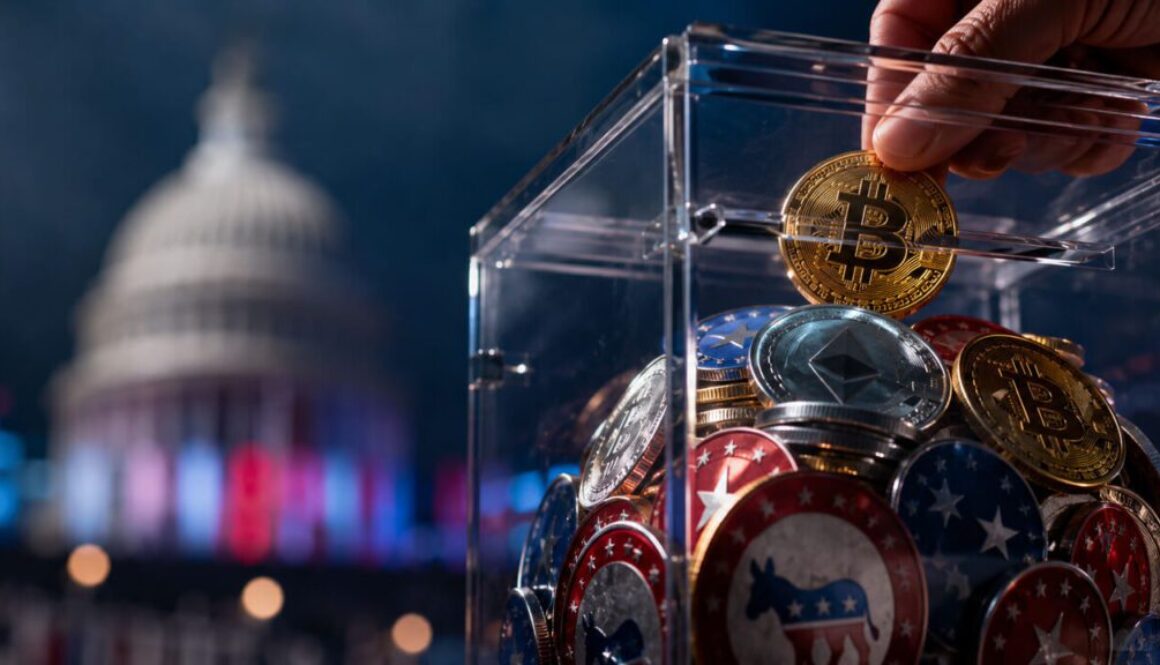
Less than four years after the collapse of FTX triggered calls for a sweeping crackdown, the crypto industry has emerged as one of the fastest-growing forces in American politics, spending millions across both parties, reshaping key elections, and transforming itself from a regulatory target into a powerful new political machine.
In 2022, Washington’s dominant question about the crypto industry had little to do with the fine print of securities law. After the collapse of FTX triggered a wave of congressional fury and handed Gary Gensler’s SEC a permission slip to pursue enforcement actions at scale, lawmakers on both sides of the political aisle were openly debating whether the sector deserved regulated status at all.
Cautious congressional allies began distancing themselves, and the media cycle was doing the industry no favors. For a little while, it looked like the whole market was headed for supervised wind-down.
But by the end of the 2024 election cycle, Bitcoin’s political environment had been almost entirely remade. Crypto companies collectively spent around $139 million shaping that year’s elections through a network of super PACs, and they’ve since assembled a war chest exceeding $220 million for the 2026 midterms.
The sector’s transformation from a regulatory punching bag to a lobbying operation capable of rivaling oil companies and banks in raw political spend shows what an industry does when it concludes (correctly) that its long-term survival depends on controlling the conditions under which it gets regulated.
How the crypto industry decided to fight back
Between FTX’s collapse and the 2024 elections, the defining pressure on the industry came from the SEC’s aggressive position on digital assets. The agency issued 46 crypto-related enforcement actions in 2023 alone, pursued landmark cases against Coinbase, Binance, and Ripple, and treated most digital assets as unregistered securities subject to the same oversight as stocks and bonds.
For companies like Coinbase, which found itself simultaneously suing the SEC and being sued in return, the agency’s intent was clear: it planned to define the industry’s regulatory future on its own terms, leaving little room for any input from the industry. The more enforcement pressure accumulated, the more clearly the industry saw that regulatory outcomes are fundamentally political, and that winning them requires political tools.
Andreessen Horowitz’s early decision to build an aggressive lobbying operation designed specifically to exclude crypto from SEC jurisdiction served as a template for how the industry could fight back at the structural level. The realization spread through 2023: the companies that’d survive the next decade would be the ones that saw Washington as a competitive arena, and that winning there required the same disciplined capital deployment as winning in markets.
Fairshake, the super PAC backed by Coinbase, Andreessen Horowitz, Ripple, and a consortium of other crypto companies, came up with concrete solutions. Fairshake itself operated across party lines, while two affiliates (Defend American Jobs for Republicans, Protect Progress for Democrats) routed money to each party’s candidates in parallel.
It was a strategic calculation built on the understanding that an industry capable of influencing either party’s electoral outcomes would reach a far more durable position than one committed to a single political faction.
Results from 2024 showed that kind of approach was successful. Fairshake and its affiliates spent roughly $139 million across 58 House and Senate races. About 85% of the candidates the network supported won their elections, including all six in New York, where the PAC spent $5.3 million exclusively backing Democrats.
One in ten members of the incoming Congress had received meaningful support from crypto industry ad spending, and the majority of those ads never mentioned crypto at all, targeting incumbents on unrelated character grounds instead. What political power actually buys
It took almost no time to see meaningful policy changes. The SEC reversed course on a sweeping scale: it dismissed its civil action against Coinbase in early 2025, dropped its lawsuit against Binance shortly after, and closed its investigation into Robinhood’s crypto business with no charges filed. Ripple, having spent years and tens of millions in legal fees fighting XRP’s securities classification, settled for $50 million and had its remaining $75 million in escrow returned.
In May, Fairshake’s affiliate Protect Progress spent $5 million supporting Democratic challenger Christian Menefee in Texas’ 18th Congressional District runoff, and another $2.8 million opposing incumbent Representative Al Green, who voted against both the GENIUS Act and the Clarity Act.
Green cast the wrong votes, the PAC identified the seat as removable, and moved nearly $8 million into the district to make the point. Across all Texas races today, crypto-backed PACs deployed money into multiple congressional and Senate contests, backing both Republican and Democratic candidates.
Separately, the Tether-backed Fellowship PAC, led by former White House crypto adviser Bo Hines, reported spending $1.75 million backing Texas Attorney General Ken Paxton in his Senate runoff against incumbent John Cornyn. Paxton won in what the Texas Tribune called a watershed moment that ended over three decades of Cornyn’s electoral dominance. The industry backed the winning side, across party lines, in one of the most-watched primary elections in the country.
However, there has been quite a bit of controversy surrounding the newfound success of crypto lobbying groups. Lawmakers, including Representatives Maxine Waters and Brad Sherman, documented at least 12 cryptocurrency cases the SEC dismissed or closed since early 2024, pointing to what they described as a “troubling correlation” between those closures and the industry’s political spending patterns.
Former SEC enforcement attorneys noted publicly that the scale of case dismissals was unusual given the reportedly strong evidence the agency had assembled in several of those actions.
The industry’s counter-argument (that the crackdown was overreaching and politically motivated from the start) carries genuine weight, but the question of who’s now writing the rules and for whose benefit is a legitimate one that the sector’s advocates haven’t fully put to rest.
The most morally and politically honest answer is that crypto’s regulatory environment shifted because crypto’s political leverage shifted first, and Texas elections showed how that leverage is now being applied.
Crypto PAC spending in Texas has already exceeded $2.5 million on congressional candidates alone this year, up from $1 million across the entire 2024 cycle, and that’s before the general election spending begins later this year.
That puts the industry on a path that resembles the early chapters of Big Tech’s lobbying ascent or Wall Street’s post-crisis political infrastructure build, with a slight distinction: it’s moving faster than either of those precedents did.
The industry that once sold itself as an alternative to legacy financial power is now running the same playbook that legacy power has always relied on: grading legislators on specific votes, deploying capital to punish defection, and building the kind of durable congressional relationships that outlast any single administration.
Solana’s price can reach a maximum of $197.30 with an average trading value of $127.03 in 2026.
By 2029, SOL is expected to reach a high of $381.45, supported by continued ecosystem growth and network adoption.
Solana’s price could see further upside by 2032, potentially reaching $734.95 with an average trading price around $527.46.
Despite occasional challenges for the Solana network ecosystem, including network congestion and competition from other blockchain platforms, the current sentiment shows that Solana demonstrates resilience and adaptability, despite the current price fluctuations, positioning itself as a leading player in the decentralized finance (DeFi) and Web3 landscape.
Overall, the prevailing sentiment regarding the current Solana price within the Solana community reflects the current sentiment of confidence and excitement among investors, driven by the growing interest in Solana with stakeholders eagerly anticipating the platform’s continued evolution and impact on the broader crypto ecosystem.
While uncertainties persist, Solana’s innovative approach, along with its low transaction fees and robust infrastructure instill optimism for its future price action, as indicated by the technical factors and technical analysis. In this article, we’ll explore Solana price prediction and market dominance, particularly when evaluated against momentum indicators. This brings the question “How high can SOL go in 2026 and beyond?” and we’ll try to answer that.
Overview
Cryptocurrency
Solana
Token
SOL
Price
$82.75(-0.26%)
Market Cap
$47.87 Billion
Trading Volume (24-hour)
$2.45 Billion
Circulating Supply
578.45 Million SOL
All-time High
$294.33 Jan 19, 2025
All-time Low
$0.5052, May 11, 2020
24-hour High
$83.05
24-hour Low
$81.56
Solana price prediction: Technical analysis
Market Sentiment
Bearish
50-Day SMA
$86.27
200-Day SMA
$106.01
Price Prediction
$81.43 (-1.59%%)
Fear & Greed Index
15.75 (Extreme Fear)
Green Days
17/30 (57%)
14-Day RSI
41.52 (Neutral)
Solana price analysis: SOL falls below $85
TL;DR Breakdown:
Solana price analysis shows bearish momentum as price crashes to $82
The altcoin lost 0.26% of its value in last 24-hours.
Support for SOL/USD is at $82
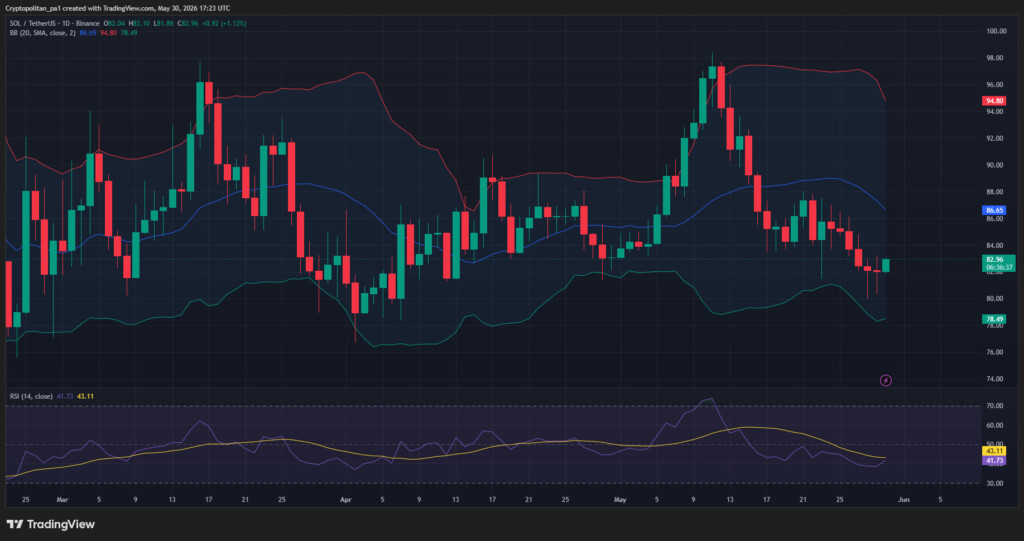
Today, on May 30, the Solana price analysis reveals bearish momentum as the price falls to $82
Solana price analysis 1-day chart: SOL rejected at $88
The daily price chart shows a slow decline to the $82 mark where SOL trades at press time.
The distance between the Bollinger Bands defines the intensity of volatility. This distance between high and low bands is wide, leading to increased volatility. Moving ahead, the upper limit of the Bollinger Bands indicator, acting as the resistance band, has shifted to $94.90. The indicator’s mean line, which shows a support level, has shifted to $78.49.
The Relative Strength Index (RSI) indicator is trading below the mean level of the neutral region. The indicator’s value has decreased to 41.73 in the last candle, and its curve suggests bearish market sentiment at the level. If selling activities continue to intensify, further volatility in the market can be expected.
SOL/USD 4-hour price chart
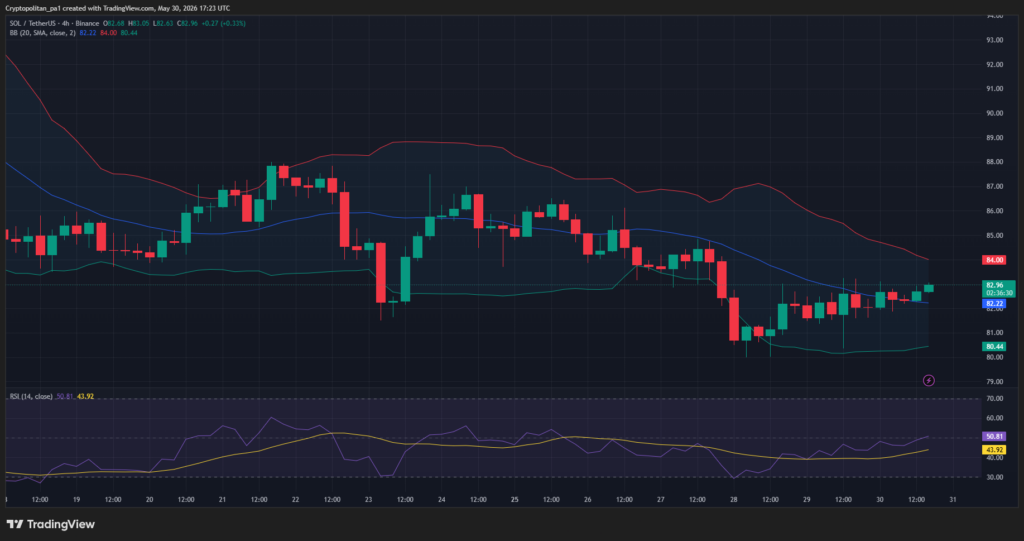
The four-hour price analysis of the Solana shows the price finds resistance above $86 and has observed strong bearish movement across the last 7 days as price crashed to $82. Since then, the price has made steady recovery to the current $82.96 mark.
The Bollinger Bands are wide and show convergence, hinting at a falling volatility level. This level of volatility signifies increased market unpredictability. Moving forward, the upper Bollinger Band has shifted to $84.00, securing the resistance point. Conversely, the lower Bollinger Band has moved to $80.44, indicating support.
The RSI indicator is in the overbought region. Currently at 50.81, the RSI’s position is showing bearish momentum. The level of the index suggests low room for movement in downwards direction across the short-term. The current slope suggests bearish pressure but we can expect a rise back to the $90 mark if the bearish pressure subsides.
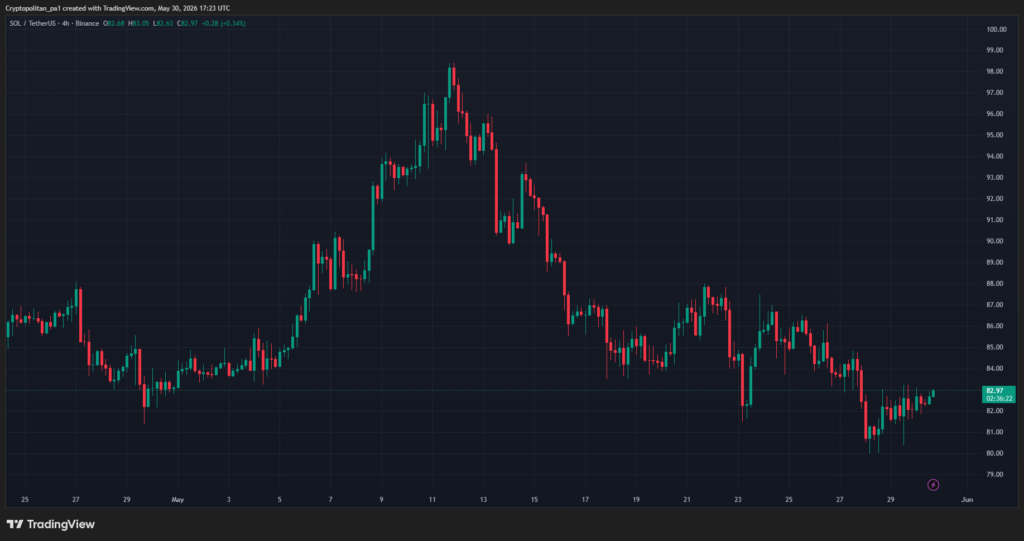
The Solana price analysis suggests a bearish prediction based on ongoing market events for the day. The SOL/USD pair fell to the current $82 mark from the highs of $98. If the current bearish pressure sustains, we might see SOL price falling back to the $78 mark.
Is SOL a good investment?
Solana is a high-performance blockchain platform known for its robust scalability and speed due to various technological advancements, particularly in the crypto space boasting a substantial Total Value Locked (TVL). The network continues to hit key development milestones. Despite a challenging month, price predictions indicate a more positive outlook, suggesting the potential for Solana’s growth and future growth.
Why is SOL down?
Solana faced rejection at the $98 mark resulting in a steep drop. The bulls then recovered to $86 before crumbling to the current $82 mark.
What is Solana going to be worth in 2026?
The Solana (SOL) price prediction for 2026 suggests a minimum value of $83.93 with an average price of $115.48, driven by fundamental factors in the market. The price could reach a maximum of $179.36 during the year.
Will SOL reach $1,000?
The price forecasts indicate that SOL could reach the $1000 mark by mid 2030s, influenced by trends in the broader crypto market. Given the bullish scenario and the projected positive market sentiment and growth trend, SOL might reach $1,000 within the next five years.
Can Solana reach $5,000?
Reaching $5,000 is plausible but would likely take several years beyond the current forecast period. However, a snowball in the asset’s adoption might bring the moment sooner.
Does SOL have a good long-term future?
Yes, Solana has a good long-term future, with a promising market capitalization and exciting potential ROI due to its high scalability, which makes Solana an attractive investment. Its growing adoption, strong developer community, and strategic partnerships further enhance Solana’s forecast of its potential for sustained growth.
Recent news/updates on Solana
Solana recently announced that the Solana Foundation and Shinhan Card have signed an MOU to bring stablecoin payments to its 28 million cardholders.
BREAKING: South Korea’s #1 card issuer Shinhan Card is bringing stablecoin payments to its 28 million cardholders on Solana 🇰🇷🔥 pic.twitter.com/2hxlyHuKhi
The SOL price prediction 2026 for May suggests a range of outcomes based on current market trends, greed index, and analysis. The forecast anticipates SOL to fluctuate between a minimum of $82.17 and an average of $88.18, and potentially attain a maximum of $101.23.
Month
Minimum Price ($)
Average Price ($)
Maximum Price ($)
May
82.17
88.18
101.23
Solana Price Prediction 2026
Solana (SOL) is predicted to reach a minimum of $72.32 in 2026. Experts suggest that future price movements indicate the coin could climb to a maximum of $197.30, with an average price around $127.03.
Year
Min. Price ($)
Average Price ($)
Maximum Price ($)
2026
72.32
127.03
197.30
Solana (SOL) price prediction 2027-2032
Year
Min. Price ($)
Average Price ($)
Maximum Price ($)
2026
92.32
127.03
197.30
2027
119.13
142.51
232.44
2028
134.83
204.58
351.57
2029
177.29
279.37
381.45
2030
208.47
331.94
455.39
2031
209.62
369.75
529.90
2032
319.97
527.46
734.95
Solana Price Prediction 2027
In 2027, Solana’s price is forecasted to trade at a minimum of $119.13, reflecting the continued growth of the Solana blockchain. The coin may reach a maximum value of $232.44, with an average trading price of $142.51.
Solana Price Prediction 2028
If bullish momentum continues into 2028, SOL may record a minimum price of $134.83, a maximum of $351.57, and an expected average of $204.58.
Solana Price Prediction 2029
Analysis indicates that Solana could maintain its upward trajectory in 2029, with the price potentially hitting a minimum of $177.29, a maximum of $381.45, and an average of $279.37.
Solana Price Prediction 2030
Based on projections for 2030, Solana may trade at a minimum of $208.47, with an average price around $331.94 and a possible peak of $455.39.
Solana Price Prediction 2031
Solana’s price is expected to reach a minimum of $209.62 in 2031. Analysts forecast a maximum value of $529.90 and an average trading price of $369.75.
Solana Price Prediction 2032
In 2032, Solana is projected to trade at a minimum of $319.97, with an average price of $527.46, while the maximum price could reach $734.95 if favorable market conditions persist.
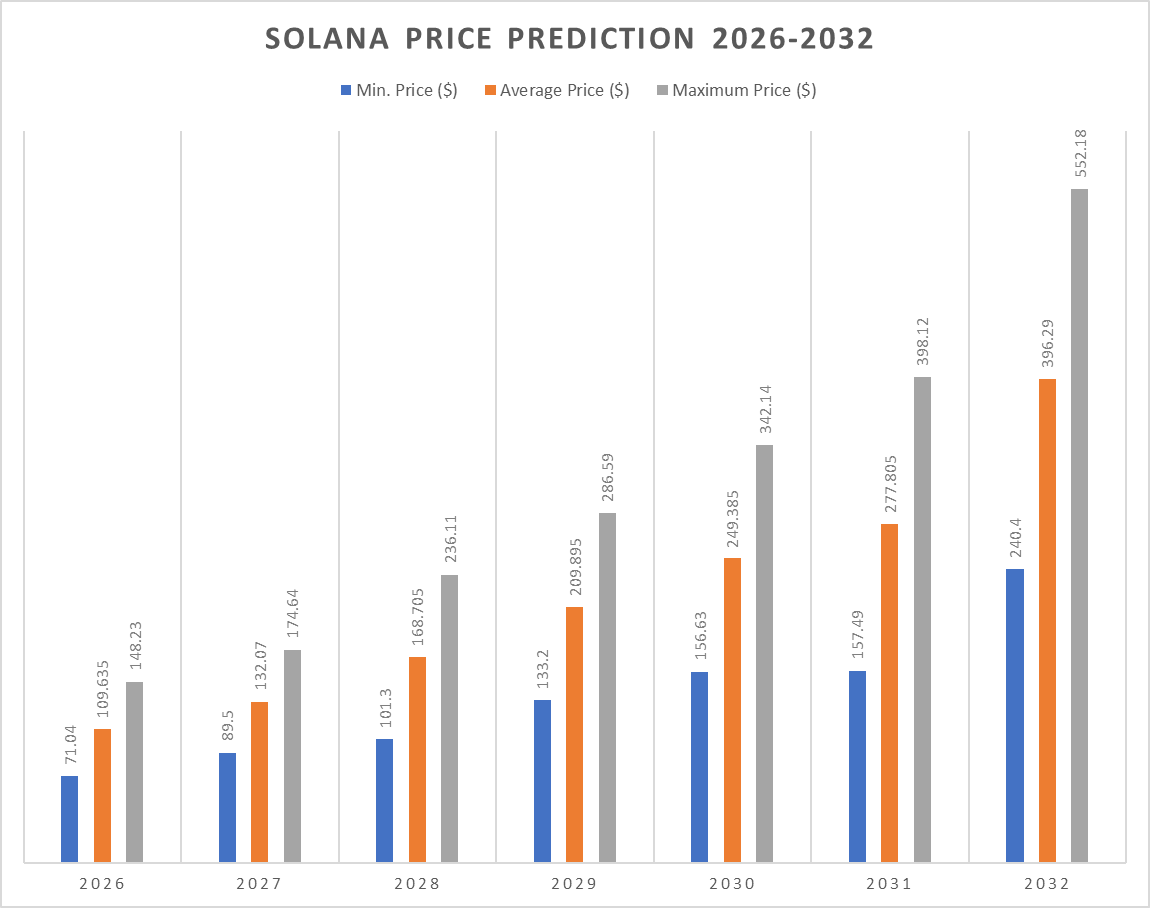
Solana Price Prediction 2026-2032
Solana market price prediction: Analysts’ SOL price forecast
FirmName
2026
2027
Changelly
$167
$248.
DigitalCoinPrice
$132.89
$162.57
Cryptopolitan’s Solana (SOL) price prediction
Our predictions show that SOL will achieve a high of $197.30 in 2026. In 2029, it will range between $177.29 and $381.45, with an average of $279.37. In 2032, it will range between $319.97 and $734.95, with an average of $527.46.
However, it is advised to do your own research and conduct expert opinion before investing in the volatile crypto market.
Solana (SOL) historic price sentiment
Solana Price History
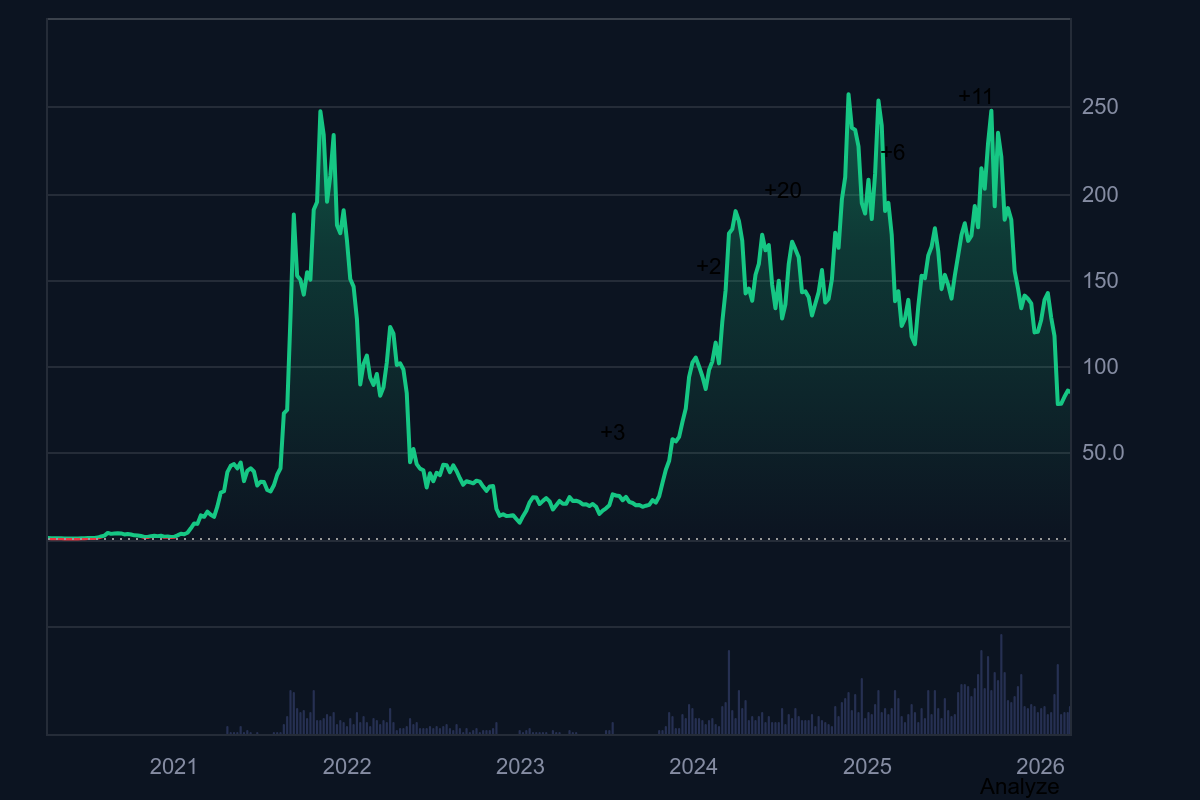
Solana was launched in April 2020 and has gained popularity over the last 18 months. Its price surged from $0.75 to a high of $214.96 in early September.
Following NFT hype and growing demand in the DeFi community, the cryptocurrency Solana (SOL) price more than tripled during the summer of 2021. Solana (SOL) token became the fastest-growing cryptocurrency and is currently ranked fifth with a live market cap of nearly $66 billion.
2022 saw Solana leap to its all-time high of $260, but SOL failed to close the year anywhere near that high, as the price came crashing down to below $40 by June. The bearish markets were marked by high skepticism as trading volumes declined throughout the crypto markets.
The price continued to trade below the $40 level until November 2023, when Solana gained momentum and started a bullish rally again to close the year at $101.84.
In 2024, Solana (SOL) saw significant growth, with its price rising from $83.62 in January to a high of $202.87, fueled by its dominance in DeFi, NFTs, and decentralized exchanges. However, the price fluctuated through the year, retracing to $131 in September after struggling to maintain key levels.
October brought a positive rebound as SOL rose from $152 to close at $167, but early November started bearish, with the price dipping to $160.
However, Solana bounced back sharply and closed the month above the $230 mark. December, on the other hand, has observed a slow start as price volatility remains low.
Solana’s (SOL) price rose significantly in January 2025 from below the $190 level to close the month above $210. However, the latter half of the month saw the price decline from the $230 mark, a trend that continued through February ending the month below $150.
In March the price continued falling as the bears continued dominating the short to mid term markets ending the month below $125. In April the bearish rally has only continued as the price falls towards $100. However, the bulls bounced back in the middle of the month and ended the month around $150.
In May the price continued to rise and ended the month above the $165 price level, a trend that could not extend through June as the month saw a decline falling below the $150 price level to end the month.
July saw a sharp rise to the asset’s volatility with SOL crossing the $200 mark. However, the price could not be maintained and SOL ended the month below the $180 level. In August, on the other hand, SOL made strides and managed to close the month above the $205 mark.
In September, the volatility rose sharply as the price rose to the $250 price level but failed to maintain the level and ended the month at $230. In October, the decline increased sharply as SOL ended the month below $170. In November, and December the decline continued with SOL ending the year at the $125 mark.
In January, the trend continued with Solana crashing towards the $100 mark during the period. In February the decline continued as SOL declined below the $80 mark near the end of the month. In March, the trend continued for the first half but later made some recovery ending the month around the $78 mark. In April, SOL saw volatility as price spiked to the $90 mark but ended up closing the month around the $83 mark.
The UK has targeted 18 crypto platforms, banks, and financial networks used by the Kremlin-backed “A7” payment network to bypass international economic restrictions.
The sanctioned entities are accused of processing more than $90 billion in 2025 to fund Russia’s invasion of Ukraine.
Crypto Platforms Linked to Illicit Russian Flows
A TRM Labs report reveals that Huobi, Exmo Exchange, Bitpapa, and Rapira Group were some of the targeted exchanges, with Huobi alone sending more than $4.9 billion in on-chain transactions to UK-sanctioned entities and the A7 network since 2021. Additionally, $1.13 billion of this occurred 14 months after the March 2025 takedown of Russian crypto exchange Garantex, with $838 million directed specifically to the A7 network last year.
According to TRM’s findings, the crypto activity associated with Russia did not slow down after the Garantex collapse but was instead migrated to successor exchanges and payment platforms like Rapira, Aifory Pro, Grinex.io, and ABCex. Exmo exchange is said to have directly transacted over $19.5 million with sanctioned entities like Garantex and Chatex, while BitPapa was also reported to have transferred millions to these actors.
The report notes that Rapira moved more than $543 million, including $375.6 million tied to Grinex.io, while Aifory Pro transferred over $189 million, of which $175.2 million was attributed to ABCex. Meanwhile, ABCex itself recorded $355 million in transactions across the restricted firms, sending $175.2 million to Aifory Pro, $133.4 million to Garantex, and $38.1 million to Rapira.
The government has now added all 18 sanctioned entities to the UK Consolidated List, with businesses operating in the country now required to freeze any assets connected to them and block transactions involving the listed companies.
“If the Kremlin thinks it can evade our sanctions by hiding behind crypto networks and shadow financial systems, it is gravely mistaken,” said the Foreign Secretary Yvette Cooper.
She added that the restrictions were being made to cut off the financial flows sustaining Putin’s war in Ukraine.
Russia-Related Illicit Crypto Activity Has Rebounded
The new measures also extend to target individuals linked to the A7 network. In its report, the government says that the group is backed by a Kyrgyz bank suspected of processing payments within the system, alongside a major global crypto exchange that is believed to have transferred more than $1.5 billion back into Kremlin-linked financial channels.
Meanwhile, a separate TRM Labs analysis discovered that illicit crypto activity went up sharply last year. According to the company, most of that was related to Russian-linked trades, with A7’s A7A5 token contributing $72 billion worth of trades alone while the group’s own wallets accounted for another $39 billion. Most of that money reportedly flowed through Garantex and Grinex.
Patrick Hansen, Circle’s EU strategy and policy lead, says the bloc’s crypto tax revenue projections may fall short. The European Commission has modeled up to $23 billion across the 2028 to 2034 EU budget cycle.
Hansen argued that a transaction-based crypto tax would push users toward DeFi protocols. Self-custody wallets and non-EU venues would erode the centralized exchange volume Brussels expects to capture.
What the Commission’s Proposal Includes
The leaked Commission services paper outlines two crypto tax models for member states to consider:
A 0.1% levy on the value of crypto transactions could generate $3.5 billion to $4.7 billion per year.
Crypto-asset service providers (CASPs) would act as collection and reporting points.
A separate capital gains tax on realized crypto profits would raise an estimated $1.2 billion to $2.8 billion annually.
Combined, the two options could yield close to $23 billion across the seven-year EU budget. Officials acknowledge the figures depend on market volatility.
Capital gains taxation generally would not apply to dollar-pegged tokens either, given their minimal price movement.
Why Hansen Thinks the Forecast Misses
Hansen pointed to three structural weaknesses in the modeling:
Reliable data from DAC8, the EU’s crypto reporting framework, will only arrive from 2027. Early estimates rest on incomplete inputs.
The proposal also requires unanimous Council approval and a harmonized EU tax base.
France has pushed hardest for new EU revenue sources. Crypto tax compliance burdens and resistance from exchange-heavy economies like Malta could harden opposition.
The behavioral risk looms largest, according to Hansen.
Users facing a centralized exchange levy can move activity to self-custody wallet options, DeFi protocols, or non-EU platforms. Any transaction tax depends on that volume.
“Any transaction-based crypto tax would likely accelerate migration towards non-taxed channels…and/or non-taxed assets…In practice, imo, that would significantly reduce the revenue potential on which these projections are based,” he stated.
Cyprus, which holds the rotating Council presidency, plans to share a revised budget proposal around June 10.
The outcome will signal whether crypto stays on the menu, and how it interacts with the bloc’s MiCA review consultation.
U.S. Treasury Secretary Scott Bessent announced today that America has now seized a cumulative total of approximately $1 billion in Iranian cryptocurrency assets under its escalating sanctions campaign.
Cumulative Total Hits $1 Billion
The figure represents the running total seized to date, not a single new action announced today.
Bessent had previously reported nearly $500 million in late April, with today’s update reflecting additional freezes accumulated since then.
Operation Economic Fury Accelerates
Launched in March 2025, Operation Economic Fury targets Iran’s sanctions-evasion networks. Iran has relied on stablecoins, particularly USDT on Tron, to move funds for oil sales and IRGC operations.
The U.S. works with issuers like Tether and blockchain analytics firms to identify and immobilize wallets.
Assets are held “on behalf of the Iranian people” and some face claims from terrorism victims.
Expect continued OFAC wallet designations and potential forfeitures in coming months. Iran’s economy already grapples with rial devaluation, banking strains, and reduced oil revenue.
This cumulative milestone marks a significant escalation in financial warfare, showing how traceable blockchain activity can be weaponized against sanctions evasion.