Chainalysis breach leaves Coincheck withdrawal freeze cause unclear
Chainalysis’s disclosure of an AI-driven data breach has cast uncertainty over the cause of Coincheck’s withdrawal freeze, even as the Japanese exchange rules out a direct hack on its own systems. For institutional traders and compliance teams relying on blockchain analytics tools, the incident exposes a critical vulnerability in the third-party screening services that exchanges depend on to detect illicit activity.
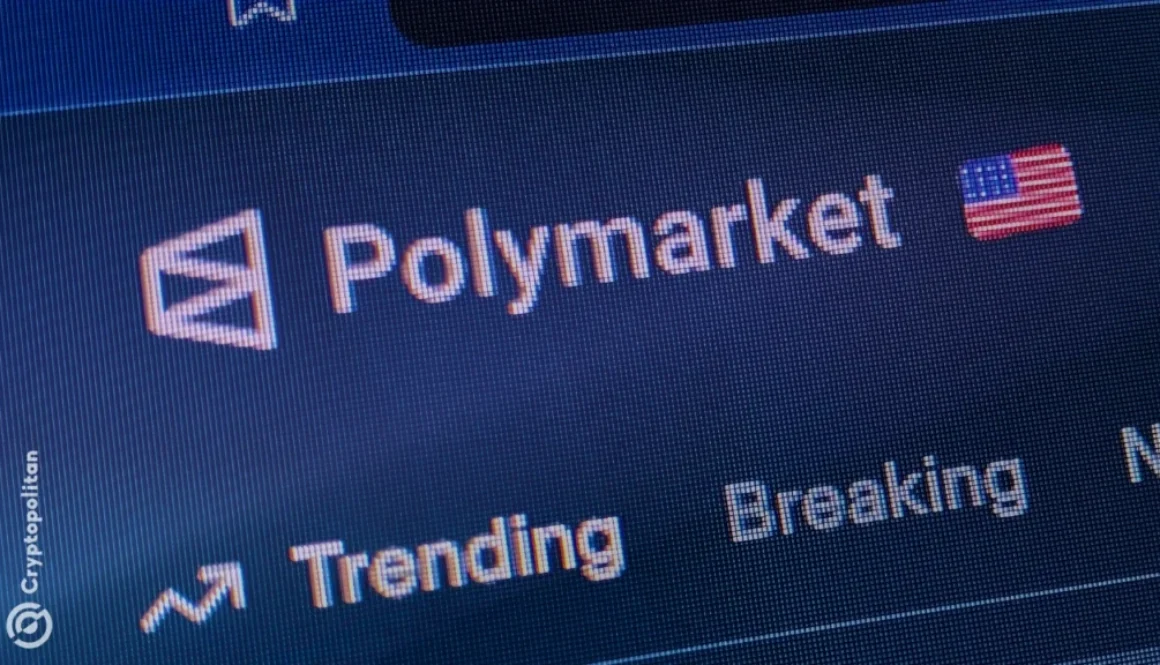
- Coincheck suspended crypto deposits and withdrawals on Thursday (November 5) after an external on-chain analysis service failed around 00:04 Japan time.
- Chainalysis disclosed an AI-driven cyberattack compromised user IDs, names, email addresses and organization roles of all platform users, including law enforcement and regulators.
- Neither Coincheck nor Chainalysis has publicly confirmed the connection between the analytics outage and the breach, leaving the root cause of the suspension unresolved.
- November 4, 2026 Date Chainalysis took Know Your Transaction product offline after detecting abnormal activity
- All users Scope of Chainalysis data exposure including law enforcement, regulators and national security bodies
- $530 million NEM tokens stolen from Coincheck in January 2018 hack
Coincheck halted cryptocurrency deposits and withdrawals on Thursday (November 5) after discovering that an external on-chain analysis service, the tool it uses to screen transactions for illicit activity, had failed. The exchange posted that the disruption began around 00:04 Japan time and that no unauthorized access to customer funds occurred. The suspension forced the exchange to cancel pending withdrawal requests and delay incoming transfers, though it pledged to reprocess legitimate applications once systems recovered. The announcement came as Chainalysis, the leading blockchain analytics provider, was managing a separate but overlapping crisis: the disclosure of a widening data breach affecting all users on its platform, including law enforcement, regulators and national security agencies.
Chainalysis confirms AI-driven attack compromised user data across law enforcement and regulators
Chainalysis announced this month that offensive AI agents gained unauthorized access to its systems and internal tools, extracting non-sensitive customer data including user IDs, full names, email addresses and organization role labels for all provisioned users. The company advised users to reset passwords and rotate API keys.
The timing aligns with operational disruptions across the analytics vendor’s services. On November 4 (Wednesday), Chainalysis took its Know Your Transaction (KYT) product offline after flagging abnormal activity. KYT is the core service Coincheck and other exchanges use to observe crypto movements for illicit activity, analyze sanctions compliance and screen inbound transfers. Chainalysis also disabled its address-screening products and login page during the same window, then planned to restore operations the following day. Chainalysis said the attack was completely different from the $6.3 billion Binance theft, the largest crypto hack on record, which occurred last week.
Coincheck’s quick denial reflects institutional memory of a $530 million NEM theft in 2018
Coincheck moved swiftly to rule out a direct breach of its own systems, stating plainly that “there has been no unauthorized access or incident affecting our customers’ assets.”
The firm’s insistence on transparency reflects its history. In January 2018, Coincheck paused withdrawals after hackers stole approximately 500 million NEM tokens worth roughly $530 million at the time, then one of the largest crypto thefts ever. The incident forced the exchange to compensate affected users and operate under heightened regulatory scrutiny from Japan’s Financial Services Agency.
Having survived that crisis, Coincheck appears determined to avoid any ambiguity about whether its current operational pause stems from a compromise of customer funds. The distinction matters: a third-party service failure is recoverable and does not trigger the same regulatory and reputational consequences as a breach of the exchange’s own hot or cold wallets.
The unconfirmed link between Chainalysis’s breach and Coincheck’s suspension leaves material questions open
Neither company has publicly stated whether the Chainalysis data breach directly caused the KYT outage, or whether the outage preceded and may have triggered discovery of the breach.
For institutional users, the ambiguity creates operational and compliance risk: if KYT was offline due to an active intrusion rather than a scheduled remediation, other exchanges and compliance teams using the service faced the same screening gap that forced Coincheck’s withdrawal freeze.
Chainalysis said it is investigating the full scope of the breach and has not disclosed how many individuals or organizations were affected, though the company confirmed that law enforcement agencies and national security bodies were among those whose user data was exposed.
For Coincheck users, the firm said it would announce when withdrawals reopen and asked affected customers to resubmit transfer requests after service recovery.
The CCS read. We see institutional demand for decentralized alternatives to centralized analytics. If even the largest blockchain intelligence vendors can be compromised, and if their downtime can trigger exchange-wide suspensions of customer withdrawals, then compliance-forward institutions may accelerate deployment of in-house monitoring or peer-to-peer transaction screening. The incident underscores why self-custody models and custody solutions independent of any single screening provider remain strategically important for large holders.
Coincheck has said it will announce when withdrawals reopen. Chainalysis is expected to disclose the full scope of affected users and remediation timeline in coming days. For institutional traders and compliance officers, the critical question remains unresolved: was the KYT outage a defensive shutdown in response to an active breach, or a consequence of the breach itself? That distinction will determine whether other exchanges face similar suspensions in the coming hours or days.