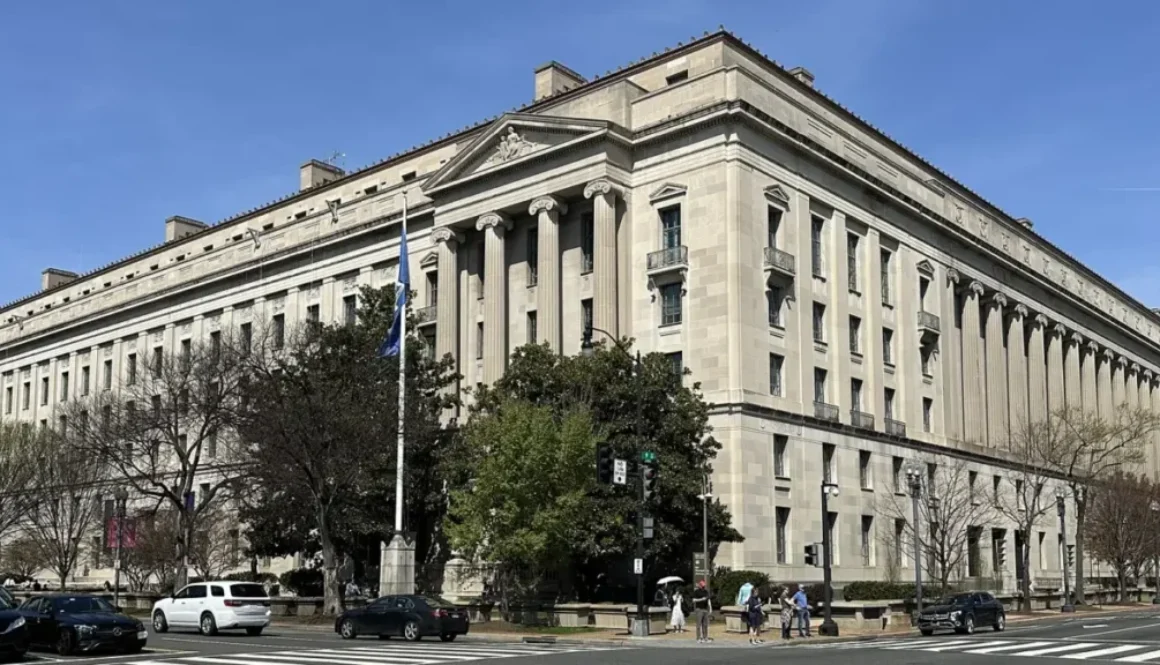
Justice Department seizes $1.2 billion from North Korean Binance theft
The Department of Justice announced coordinated actions to disrupt North Korean regime-backed cryptocurrency theft, including the court-authorized seizure of more than $1.2 billion in virtual assets stolen from Binance on or about October 29, and the disruption of cloud infrastructure used in the FaceStealer social engineering campaign that stole more than $400 million in the last 18 months.
- Binance theft occurred approximately October 29 and involved more than $6 billion in total stolen assets.
- FaceStealer scheme used deepfake videos and recorded webcams to target crypto holders and open-source software developers.
- Over $2.7 billion frozen through coordination between DOJ, FBI, and virtual asset service providers since the theft.
- $1.2B in Binance assets court-authorized for seizure or restraint by the DOJ.
- $400M stolen via FaceStealer in the 18 months prior to this announcement.
- 900+ FaceStealer victim webcam videos seized by the FBI under federal warrant.
The Justice Department release details two separate but coordinated law enforcement actions. The first targets the FaceStealer scheme, which uses artificial intelligence-generated deepfake videos and surreptitious webcam recordings to impersonate trusted contacts during video calls. North Korean threat actors known as Sapphire Sleet, UNC1069, APT38, BlueNoroff and others lure targets with meeting invitations from stolen accounts, then record their webcams while playing prerecorded video of prior victims or deepfakes of crypto industry figures. When targets join, the hackers introduce a fake technical error and provide a malicious link disguised as a fix, which installs malware and grants access to cryptocurrency wallets and communications accounts for months or longer.
FaceStealer Targets Crypto Users and Open-Source Developers
The scheme has primarily targeted cryptocurrency and Web3 sector employees but has increasingly focused on developers maintaining open-source software repositories, suggesting an interest in supply-chain attacks. The FBI seized over 900 webcam videos of victims as part of disrupting the cloud-based infrastructure, and published a detailed technical report at www.fbi.gov/facestealer with countermeasures and victim response steps.
The FBI’s characterization reveals the scheme’s durability: “North Korea’s FaceStealer is a highly effective social engineering scheme capable of deceiving even the most experienced technical and security conscious computer user,” according to FBI Los Angeles Assistant Director in Charge Patrick Grandy.
The deepfake component is central to that effectiveness; even cryptocurrency professionals with strong operational security awareness have been targets.
Binance Interception: $2.7 Billion Frozen, $1.2 Billion Seized
The second action addresses the theft from Binance attributed to North Korean military actors calling themselves TraderTraitor. The theft, occurring around October 29, involved more than $6 billion in total assets.
The DOJ’s Criminal Division Computer Crime and Intellectual Property Section (CCIPS) worked with VASPs to interdict the stolen assets and has frozen $2.7 billion collectively, with the DOJ obtaining court authorization to seize or restrain $1.2 billion of that amount as of today’s announcement.
The document does not specify the current status of the remaining approximately $3.8 billion in frozen assets or whether additional court authorization is being sought. It states that “efforts to trace, freeze, seize, and forfeit the stolen virtual assets are ongoing,” indicating this is an active operation with further actions likely.
Recovery is complicated by laundering activity. Last week the FBI issued a cyber alert attributing the theft to TraderTraitor and urging VASPs to block transactions involving addresses the actors use to move stolen assets through cryptocurrency bridges, mixers, and exchanges. The FBI’s Los Angeles Cyber Division and Virtual Asset Unit are coordinating with the Secret Service and IRS Criminal Investigation.
Binance Holders and Hot-Wallet Custodial Users Face Exposure
For Binance users, the theft’s impact depends on account type and custody model.
Users of other cryptocurrency bridges, mixers, and exchanges that process stolen Binance assets face regulatory and operational risk. Crypto users moving or receiving assets originating from the stolen Binance addresses should expect increased scrutiny and potential account holds.
The CCS read. This action signals that the DOJ’s Criminal Division now operates with sufficient expertise and speed to interdict blockchain-based theft at scale, not months later but within weeks. The FaceStealer campaign shows North Korea is investing heavily in AI-generated deepfakes as a vector against the crypto industry specifically. Binance holders should expect the exchange to communicate recovery steps; VASP operators and DEX aggregators must urgently review the FBI’s block list to avoid liability exposure.
The next milestone is the DOJ’s announcement of additional court-authorized seizures of the remaining $3.8 billion in frozen Binance assets. Binance will likely publish a public incident report; until then, users with funds on the exchange during the October 29 theft window should seek direct confirmation from the company on whether their holdings were affected and what remediation or insurance applies.