OpenAI rejects Robinhood’s tokenized equity product as illegitimate
OpenAI’s explicit rejection of Robinhood’s tokenized equity product signals a critical divide between institutional blockchain adoption and permissionless tokenization of real-world assets without issuer consent. The clash underscores how regulatory arbitrage between U.S. and EU markets is creating unvetted claims on private company value.
- OpenAI stated publicly that Robinhood’s tokenized shares do not represent real equity and that the company had no partnership with Robinhood on the offering.
- Robinhood launched the tokens in the EU on Monday, offering eligible users €5 in OpenAI and SpaceX tokens by July 7, 2025, calling them “indirect exposure to private markets.”
- U.S. investors are blocked from the product by stricter SEC rules, while the EU’s flexible framework allows trading despite the underlying companies’ lack of involvement.
- €5 Token grant value per eligible EU user registering by July 7, 2025
- $100+ Robinhood stock price after launch, marking a new record high
- 0 SEC approvals granted for U.S. tokenized equity products to date
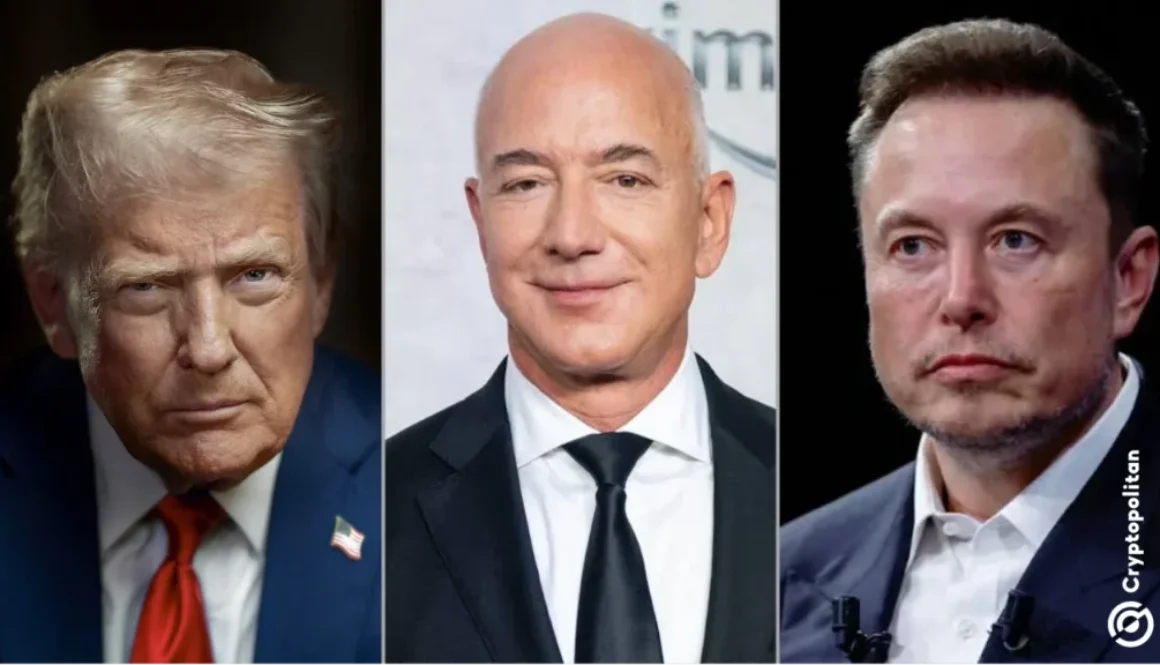
OpenAI on Wednesday directly challenged the legitimacy of Robinhood’s newly launched tokenized equity product, according to reporting on the dispute, warning that the tokens represent no claim on its actual shares and that the company approved neither the product nor any partnership with the brokerage. The statement, posted to X, made clear that any genuine transfer of OpenAI stock would require the company’s direct consent, a condition Robinhood did not meet. Elon Musk amplified the critique, stating on X that the equity is “fake,” raising the profile of the disagreement among retail and institutional crypto audiences.
Robinhood Launches EU Tokenized Shares While Calling Them Indirect Exposure
Robinhood introduced the tokenized offering Monday in Cannes as part of a broader blockchain expansion that also included staking services and new infrastructure. Eligible users in the European Union who register by July 7, 2025 receive €5 worth of OpenAI and SpaceX tokens at no cost, granting them trading access on Robinhood’s crypto platform.
The company’s share price surged past the $100 mark on the announcement, a fresh record.
Johann Kerbrat, senior vice president and general manager of crypto at Robinhood, framed the tokens as a pathway to private-market access for retail investors.
The company’s defense hinges on legally distinct positioning: the tokens offer “indirect exposure” rather than direct equity, made possible by Robinhood’s “ownership stake in a special purpose vehicle.” This structure sits within the EU’s investor protection framework, which permits the product where U.S. securities law does not.
SEC Has Blocked Domestic Tokenized Equity Products, Creating Regulatory Divide
U.S. investors remain excluded from the offering due to stricter Securities and Exchange Commission rules, which have not approved tokenized equity products for retail trading. The regulatory gap between jurisdictions has created a pattern: crypto platforms can offer products in more permissive regimes, here the EU, that would face immediate legal challenges in the United States.
The incident reflects a broader friction between blockchain infrastructure expanding access and the companies whose names and valuations are being tokenized without consent. Tokenized stocks have become central to DeFi infrastructure conversations, but this case shows that institutional legitimacy requires issuer participation, not merely platform innovation.
The CCS read. Robinhood’s regulatory arbitrage works legally but not morally; the product succeeds only because it operates where the SEC does not govern. An issuer’s ability to veto its own tokenization, and enforce that veto, may become the price of institutional adoption. Watch whether other companies follow OpenAI’s example and demand issuer-approved tokenization standards.
The open question is whether OpenAI will pursue legal action or regulatory complaint against Robinhood, and whether such action would force EU regulators to reconsider the framework permitting issuer-agnostic tokenization. Robinhood’s July 7 registration deadline and the EU’s response to OpenAI’s objection will determine whether this becomes a one-off or the first of many such conflicts.