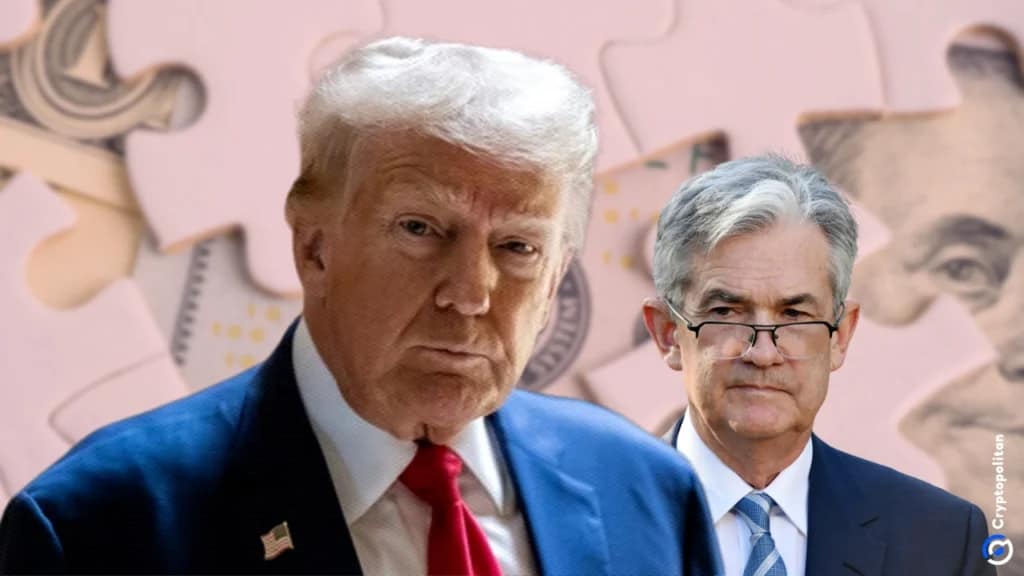

Warsh clears Senate hurdle, moves closer to Fed chair as crypto impact looms
Kevin Warsh’s advance through the Senate Banking Committee on a party-line 13-11 vote sets up his likely confirmation as Federal Reserve chair before Jerome Powell’s term expires in mid-May, positioning a potential “regime change” in Fed policy that crypto markets view primarily through the lens of liquidity cycles and real interest rates rather than digital-asset-specific regulation. Institutional investors face heightened uncertainty around the pace of rate adjustments and balance sheet policy under new leadership, with Warsh’s hawkish history tempered by recent signals of flexibility on rate cuts if productivity improves.
- Senate Banking Committee approved Warsh 13-11 on party-line vote, clearing procedural path to full Senate confirmation before May.
- Warsh pledged “regime change” at Fed including shifts to communication strategy, balance sheet policy, and inflation management approach.
- Crypto traders view Warsh’s appointment as macro liquidity event rather than regulatory threat, focused on Fed-driven dollar cycles and risk asset flows.
- 13-11 Senate Banking Committee vote margin approving Warsh, split entirely along party lines.
- Mid-May expected confirmation deadline, when current Fed chair Jerome Powell’s term expires.
- 2026 year Warsh nomination speculation already influenced Bitcoin and risk asset pricing dynamics.
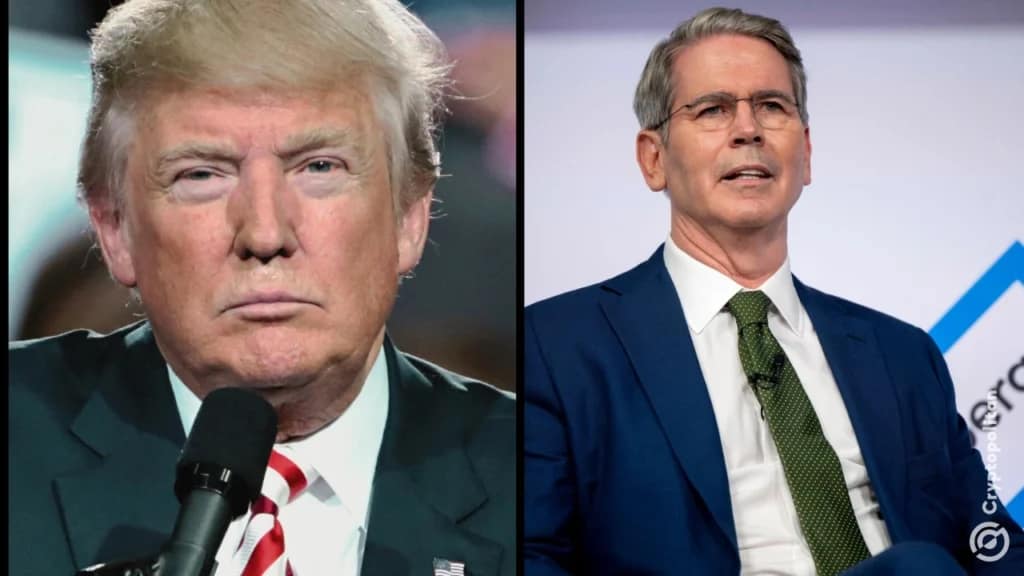
The U.S. Senate Banking Committee advanced Kevin Warsh’s nomination to become Federal Reserve chair on Wednesday with a 13-11 party-line vote, eliminating a key procedural obstacle and positioning him for confirmation by the full Senate before Jerome Powell’s current term ends in mid-May.
Warsh, a former Fed governor and Wall Street financier, has signaled substantial changes to the central bank’s policy framework, including modifications to communication strategy, balance sheet management, and the approach to inflation control.
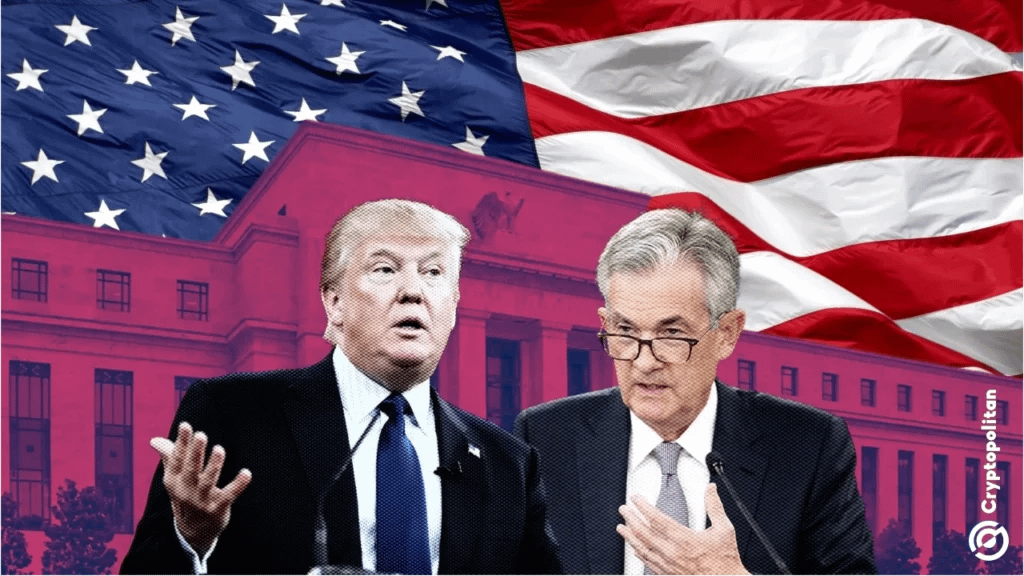
The nomination has deepened partisan divisions over Fed independence, with Republicans rallying behind Warsh as a credible successor and Democrats raising concerns that his appointment could subordinate monetary policy to political preferences aligned with former President Donald Trump.
Warsh’s “Regime Change” Agenda Includes Balance Sheet and Communication Overhaul
Warsh’s public statements have outlined a deliberate departure from the Powell era’s operational and communication norms. His invocation of “regime change” signals intent to reshape not just individual policy decisions but the institutional culture and transparency mechanisms through which the Fed operates.
The specificity of his pledges on balance sheet policy and inflation management suggests he views the current framework as incomplete, creating expectations among investors and market participants that a Warsh-led Fed would operate under materially different constraints and priorities.
Financial markets are bracing for potential volatility during the transition, though most participants do not expect immediate policy reversals upon confirmation.
The Federal Open Market Committee remains fractured between officials concerned about persistent inflation and those advocating for more aggressive rate cuts, a dynamic Warsh himself has acknowledged by describing Fed policymaking as a “family fight.” His historical reputation as a hawk has been somewhat complicated by recent signals indicating openness to rate adjustments if productivity gains materialize, introducing ambiguity about the direction and magnitude of policy shifts under his leadership.
Democratic Warnings on Fed Independence Underscore Deep Political Fault Lines
The partisan 13-11 committee vote reflects the politicization of what has traditionally been treated as a technocratic appointment insulated from electoral cycles.
Democrats have explicitly warned that Warsh’s nomination undermines central bank independence, citing what they perceive as alignment with Trump’s policy preferences and a departure from the institutional autonomy that has historically protected monetary decisions from short-term political influence.
These concerns, while not unprecedented in Fed chair debates, carry particular weight given the current environment of heightened fiscal and geopolitical tensions.
Republicans counter that Warsh brings necessary market discipline and communication clarity to an institution they view as having drifted toward excessive intervention. The committee vote itself provides no meaningful information about Warsh’s substantive qualifications or policy positions; it instead reflects pre-existing party alignments.
The full Senate vote is expected to follow a similar pattern, with confirmation likely given Republican control of the chamber, though timing and the scope of Democratic opposition remain variables that could extend the confirmation process slightly.
Crypto Markets Price Warsh Appointment as Macro Liquidity Shift, Not Regulatory Threat
Digital asset markets have responded to Warsh’s nomination advance primarily as a macro event affecting global dollar liquidity rather than as a crypto-specific policy development.
This reflects the current operational reality that the Fed’s influence on Bitcoin, Ethereum, and risk assets flows through interest rate cycles, balance sheet expansion or contraction, and the opportunity cost of holding non-yielding assets, not through direct regulation of blockchain or digital currency trading.
Earlier in 2026, Bitcoin prices showed measurable sensitivity to speculation around Warsh’s appointment, with risk assets weakening as markets priced in expectations of a potentially tighter policy stance.
When the Fed changes, liquidity changes, and that’s what crypto trades on.
Anthony Pompliano, crypto investor and commentator
Pompliano’s observation captures the institutional consensus among crypto traders that Fed leadership transitions operate as macro inflection points for the entire risk asset complex. The appointment does not represent a fundamental shift in the regulatory posture toward digital assets or a signal that the Fed plans to exercise greater oversight of crypto markets.
Instead, Warsh’s likely confirmation marks a potential recalibration of real interest rates and the pace of Fed balance sheet normalization, both of which directly influence capital allocation toward alternative assets including cryptocurrencies.
Analysts broadly agree that a Warsh-led Fed could reshape market expectations around three critical variables: the pace and magnitude of future rate cuts or hikes, the trajectory of Fed balance sheet policy and quantitative tightening, and the direction of global capital flows into risk assets.
None of these outcomes is predetermined by Warsh’s appointment alone; each depends on incoming economic data, inflation metrics, and geopolitical developments. However, his stated openness to flexibility on rates combined with his historical hawkish bent creates genuine uncertainty about how the Fed would respond to competing deflationary or inflationary signals.
Internal FOMC Divisions May Constrain Warsh’s Ability to Enact Rapid Policy Shifts
One often-overlooked constraint on any Fed chair’s authority is the voting structure of the Federal Open Market Committee. Warsh cannot unilaterally alter policy; he holds one vote among twelve, with the remaining eleven distributed among regional Fed presidents and the Board of Governors.
Current divisions within the FOMC between inflation hawks and rate-cut advocates suggest that Warsh, even as chair, may face significant internal resistance to aggressive policy reversals. This institutional friction could complicate any attempt to move swiftly away from Powell-era frameworks.
Warsh has acknowledged this reality, recognizing that internal disagreement is structural rather than anomalous. His description of Fed policymaking as a “family fight” suggests he anticipates continued debate and that consensus-building will remain necessary even under his leadership.
For institutional investors, this implies that while Warsh’s appointment may signal a directional shift in Fed priorities, the pace of actual policy change could be slower than the market’s current expectations or his stated ambitions suggest.
Confirmation Timeline and Mid-May Deadline Set Stage for Immediate Policy Tests
Full Senate confirmation is expected before Jerome Powell’s term expires in mid-May, giving Warsh roughly three months to establish leadership and signal policy direction.
The compressed timeline creates operational urgency for Warsh to articulate a clear policy vision immediately upon taking office. Unlike predecessors who had extended transition periods, Warsh will inherit a Fed facing ongoing inflation concerns, geopolitical tensions, and capital market volatility without the luxury of a gradual adjustment period.
His first Federal Open Market Committee meetings and policy statements will be scrutinized for evidence of whether the “regime change” rhetoric translates into substantive operational shifts or represents broader framing of existing policies.
Crypto markets and institutional investors more broadly will calibrate their positioning based on these early signals. The absence of crypto-specific regulatory announcements from Warsh does not imply indifference to digital assets; it reflects instead the Fed’s primary mandate around price stability and employment.
However, the Fed’s macro policy choices directly determine the environment in which cryptocurrencies trade, making Warsh’s monetary policy framework the central variable institutional investors should monitor.
<p class="ccs-