Justin Sun seeks sanctions against World Liberty Financial for concealing UAE ownership
Justin Sun’s allegations that World Liberty Financial concealed UAE ownership to escape federal jurisdiction could expose the Trump family crypto firm to sanctions and overturn a freeze on $150 million in tokens. The case tests whether US courts retain power over foreign-owned crypto platforms that marketed themselves as American.
- World Liberty Financial listed only itself as owner in initial filings, then disclosed 22 owners spanning four jurisdictions including UAE within weeks.
- Sun’s frozen WLFI wallet holds 2.9 billion tokens worth approximately $150 million at current $0.05111 price.
- A UAE stake, reportedly 49% held by Aryam Investment, backed by Sheikh Tahnoon bin Zayed Al Nahyan, could strip US courts of jurisdiction over the dispute.
- $150 million Value of Sun’s frozen WLFI tokens at current market price
- 22 Number of owners listed after concealment allegation, up from one
- 49% Stake reportedly held by UAE-backed Aryam Investment in World Liberty
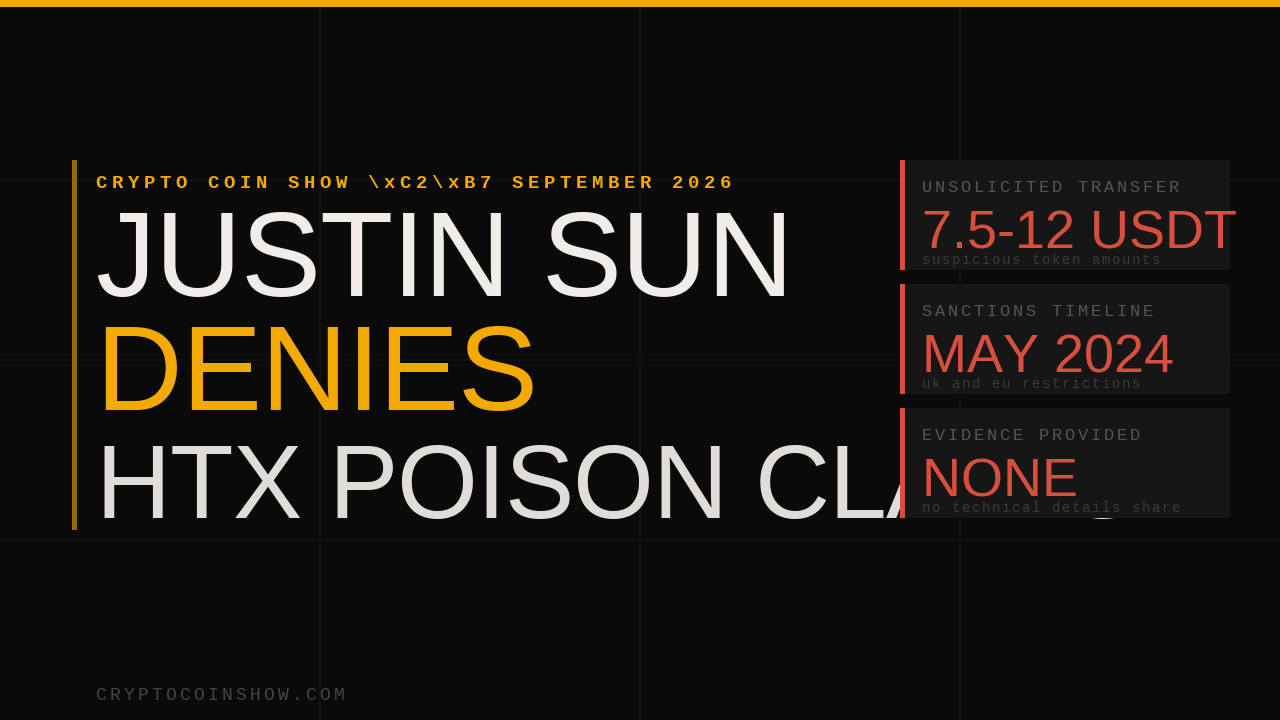
Tron founder Justin Sun filed a motion Monday night (November 2) to sanction World Liberty Financial for allegedly concealing UAE ownership to escape his $45 million fraud case in federal court. The freeze on Sun’s 2.9 billion WLFI tokens, governance coins that carry voting rights in the Trump family cryptocurrency project, depends on whether US courts have jurisdiction over the firm. If World Liberty is deemed foreign-owned, federal judges lose power to hear the dispute, potentially voiding both the freeze and Sun’s entire case. According to BeInCrypto’s reporting, Sun claims the firm’s ownership disclosure transformed from a single Florida entity to 22 members spanning multiple jurisdictions only after an unfavorable August hearing.
World Liberty listed itself alone, then disclosed 22 owners including UAE backers within weeks
Sun’s legal team alleges that World Liberty Financial’s initial court filing identified only a Florida company as the owner, with no mention of foreign stakes. Less than one week after an August hearing that partly went against the firm, World Liberty amended its filings to list 22 members across Florida, Delaware, Puerto Rico, and the United Arab Emirates.
Sun says the firm’s lawyers claimed they learned of the UAE connection only after the initial filing.
World Liberty was proudly American when it was selling tokens. It discovered its UAE roots only when it needed a way out of an American federal courtroom.
Justin Sun, Tron founder
World Liberty has not publicly responded to the sanctions motion or explained the timing of the ownership disclosure. The strategic significance is immediate: under federal jurisdictional rules, a company is treated as a citizen of every state or nation in which its owners reside.
Sun argues that a UAE-based owner matters because federal courts generally cannot hear a foreign investor’s lawsuit against a foreign company.
A $500 million UAE stake was reported months before Sun’s lawsuit and drawn Senate scrutiny
The Wall Street Journal reported earlier this year that Aryam Investment, reportedly backed by Sheikh Tahnoon bin Zayed Al Nahyan, the UAE’s national security adviser, acquired 49% of World Liberty Financial for approximately $500 million. In June, five Senate Democrats called for hearings into the UAE stake’s implications for US sanctions policy and financial oversight.
BeInCrypto’s investigation also traced the largest stake in a Trump-linked stablecoin bank to an Abu Dhabi power broker, suggesting a pattern of undisclosed or delayed reporting of foreign interests within the World Liberty ecosystem.
The firm’s failure to mention Aryam in its first disclosure, coupled with the sudden addition of 22 owners, bolsters Sun’s argument that the timing was tactical rather than administrative.
Sun’s token freeze and defamation counterclaim will survive the jurisdiction fight if the judge agrees
Sun’s wallet contained approximately 2.9 billion WLFI tokens when he filed suit in April, worth roughly $150 million at the current trading price of $0.05111 per token. World Liberty has characterized the freeze as a routine security measure and sued Sun for defamation in Florida in May.
Sun plans to refile his case in California state court once the federal judge rules on sanctions, a delay that extends the legal uncertainty around whether the token freeze was ever lawful.
If Sun wins the sanctions motion and the judge finds that World Liberty intentionally concealed foreign ownership, the court could impose monetary penalties, striking orders requiring full disclosure, or dismissal of the entire case, effectively unfreezing the tokens.
The CCS read. We read this as a test of whether US courts can enforce injunctions against foreign-controlled crypto platforms that marketed themselves domestically. If Sun prevails on the concealment claim, institutional investors and token holders may gain a precedent for unwinding freezes imposed without full disclosure of a platform’s ownership structure. If World Liberty’s jurisdictional argument succeeds, the ruling signals that foreign investment, disclosed late or not at all, can shield US crypto firms from US courts.
The federal judge’s decision on Sun’s sanctions motion is not yet scheduled. Sun’s lawyers have signaled they will refile in California state court immediately after a ruling on the disclosure issue, meaning the dispute will shift venues regardless of the federal outcome. World Liberty’s next major legal exposure arrives if the judge imposes sanctions or orders the firm to explain the timing of its ownership disclosures to the court.