Eric Trump says family hotel business is studying stablecoin pay
Eric Trump told the TOKEN2049 Singapore audience on October 7 that his family’s hospitality business is researching paying hotel staff in stablecoins. He also argued that crypto has effectively won its fight with the big banks and tied the sector’s next leg of growth to AI.
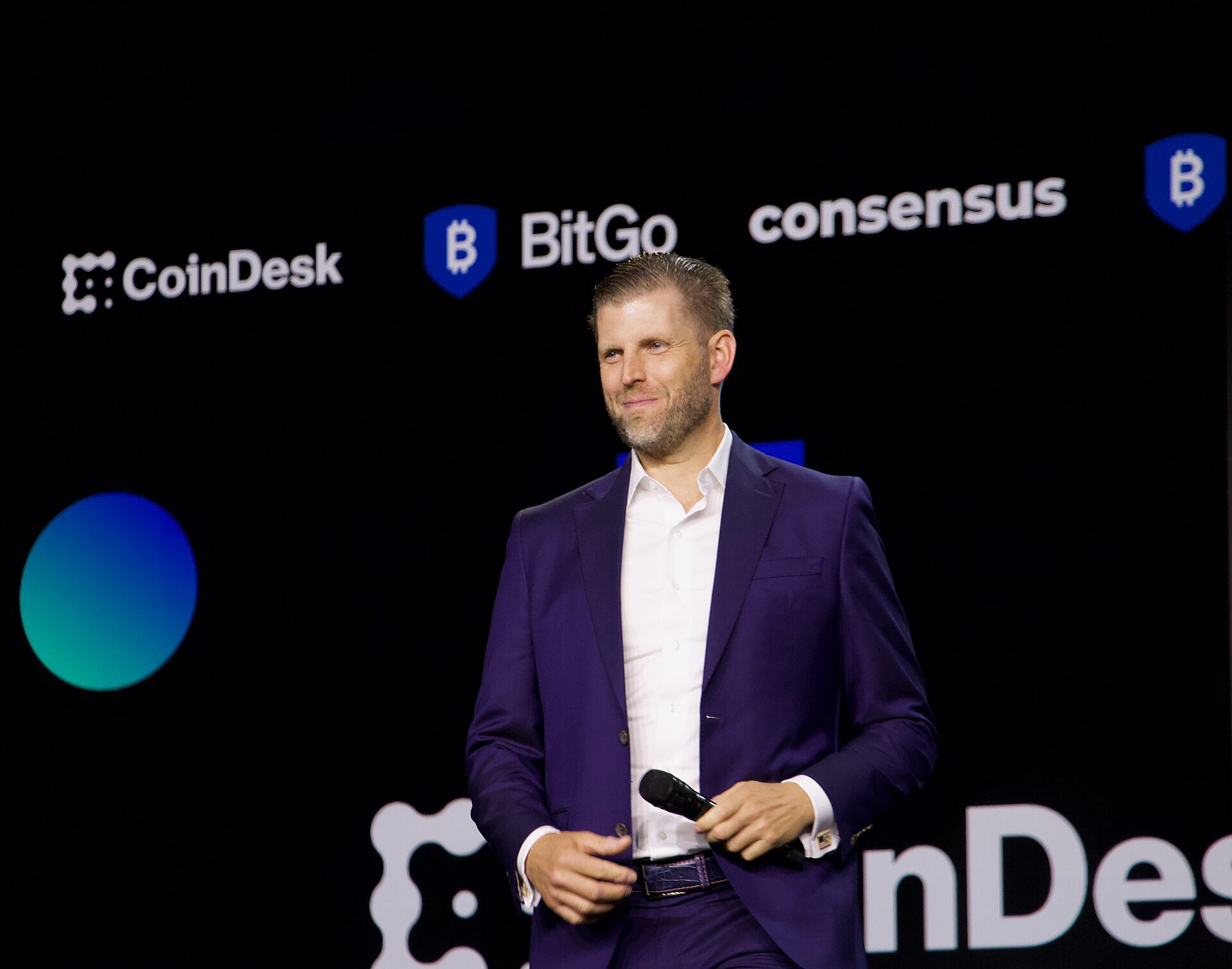
- Eric Trump said the family business is researching stablecoin salaries for its global hotel workforce, according to live reports from the event.
- No pilot, timeline, provider or choice of stablecoin was announced.
- He framed bank adoption of crypto as a victory for the industry and said AI agents will transact through crypto wallets.
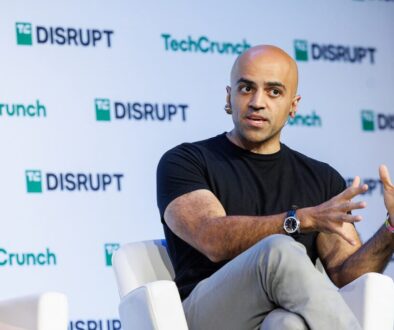
Eric Trump, executive vice president of the Trump Organization, used his TOKEN2049 Singapore session at Marina Bay Sands on Wednesday to make the case for stablecoins as payroll rails, according to a live report from ChainCatcher. He said the family’s business is researching salary payments in stablecoins for its hotel employees around the world.
Stablecoin payroll for hotel staff
Trump’s argument centered on settlement speed. He said traditional check clearing can take 24 to 36 hours, while workers want their money in their accounts right away. ChainCatcher, which relayed the remarks in translation, quoted him saying “the era of paying salaries with stablecoins has arrived.” A separate floor recap from SimpleSwap described the same remarks, adding that he pointed to athlete contracts denominated in bitcoin and to payment delays as part of the rationale.
No pilot, timeline, payroll provider or specific stablecoin was named, and CCS has not seen a company statement confirming a plan. For now this is exploration, not a launch.
Trump says crypto can declare victory over banks
Trump also told attendees the industry had beaten the big banks, pointing to the steady stream of lenders now embracing crypto, Benzinga reported. He said the room could “declare victory” because of institutional adoption. The tone marks a shift from his earlier warnings that banks risked becoming obsolete if they ignored digital assets. He also framed tokenization of real estate, art and music royalties as a way to open investments that have historically been reserved for the wealthy.
AI as the growth driver
Rather than crypto-specific catalysts, Trump tied the sector’s growth to artificial intelligence. ChainCatcher reported that he said digital assets will grow faster as AI grows, and that he expects AI agents to transact through crypto wallets rather than fiat rails. That echoed a theme running through day one, from Arthur Hayes pitching an AI agent chain to Dragonfly’s Haseeb Qureshi on what agents actually need from crypto.
The remarks landed on the same day World Liberty Financial, the Trump family-backed crypto venture, said it is working with Mesh to bring its USD1 stablecoin to online merchants.
The CCS read. Payroll is one of the clearest real-world tests for stablecoins, and it is a hard one. A large hotel operator moving even part of its wages onchain would need answers on employee consent, local wage laws that often require payment in legal tender, tax withholding, and cash-out options for staff across many countries. Those frictions are why stablecoin payroll has so far been concentrated among contractors and crypto-native firms. A Trump-family business exploring the idea also raises obvious conflict-of-interest questions given the family’s ties to World Liberty Financial and USD1, and any move would be watched closely in Washington. For institutions, the signal is less about hotels than about positioning: the industry’s most politically connected voices are now selling stablecoins as everyday payment plumbing rather than a trading tool.
Watch for any formal statement from the Trump Organization on a payroll pilot, and whether USD1 is the rail it picks. Follow all our TOKEN2049 coverage, and read our report on how World Liberty taps Mesh to bring USD1 to online merchants.