Tesla shareholders to vote on xAI investment proposal at November 2026 meeting
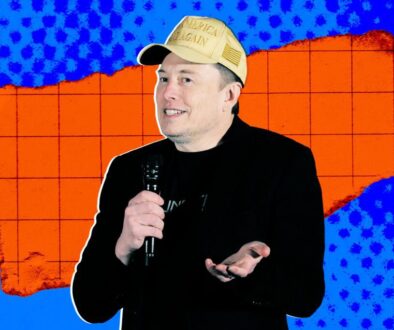
Elon Musk has deferred a Tesla investment in his xAI startup to shareholders, signaling the decision will go to a formal vote rather than executive fiat. For institutional investors, this is material because it may reshape Tesla’s capital allocation and its exposure to artificial intelligence, a sector where Musk controls competing interests across multiple public and private ventures.
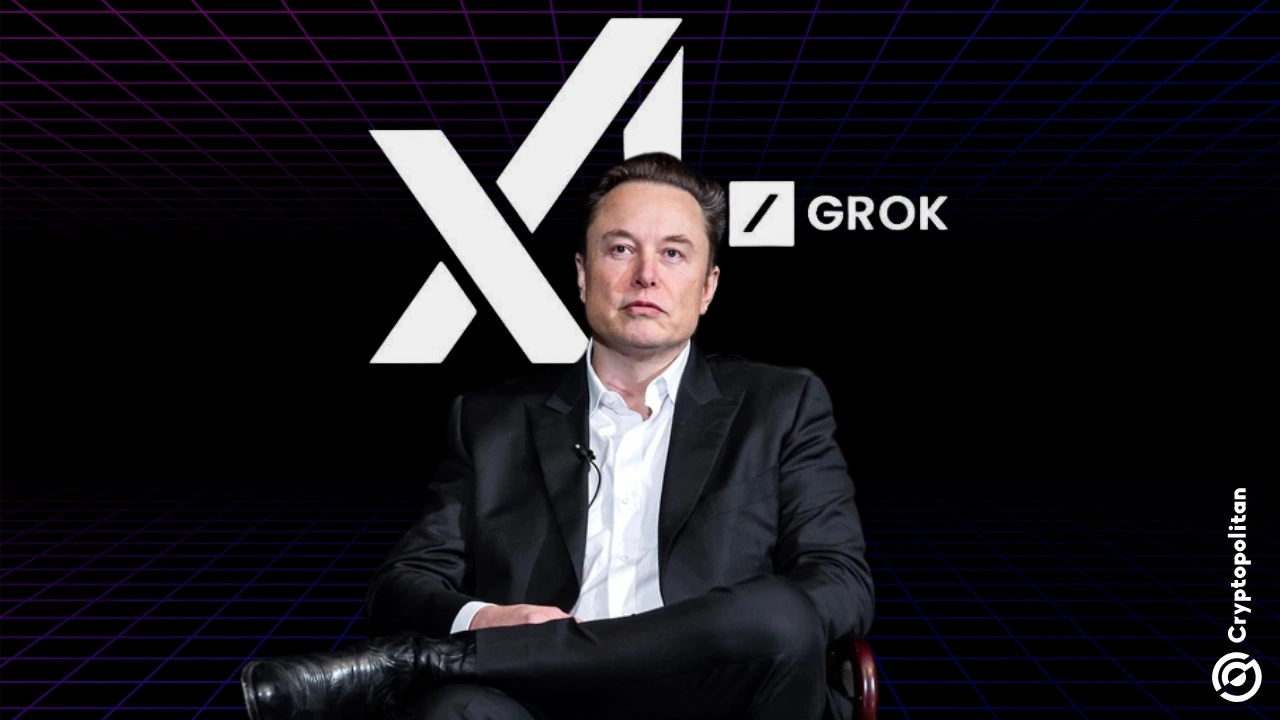
- Musk said on Tesla’s earnings call that shareholders can submit proposals and that “it’s not up to me” whether Tesla invests in xAI.
- Tesla’s next annual general meeting is set for November 6, 2026, creating a window for shareholders to bring the xAI proposal to a formal vote.
- xAI has no major commercial customers or public availability, unlike OpenAI and Anthropic, though SpaceX is committing about $2 billion to the startup.
- Nov. 6 Date of Tesla’s next annual shareholder meeting, enabling xAI investment vote
- $2B SpaceX’s June commitment to xAI, indicating scale of Musk backing
- $2.6B SolarCity deal shareholders approved in 2016, Tesla’s prior precedent for Musk venture
Elon Musk said during Tesla’s second-quarter earnings call on Wednesday (September 10) that he will not unilaterally decide whether the electric vehicle manufacturer should invest in his artificial intelligence startup, xAI, but will leave the matter to Tesla shareholders through formal proposal and vote. “Shareholders are welcome to put forward any shareholder proposals they’d like,” Musk said in response to questions about potential funding or equity stakes in xAI. Tesla’s chief financial officer, Vaibhav Taneja, echoed the position, saying the matter was unsuitable for discussion during an earnings call and would follow the company’s standard shareholder processes. The shift marks a departure from Musk’s recent posts on X supporting such a purchase, indicating either a change in approach or an acknowledgment of governance pressures around his overlapping business interests.
Shareholders gain control of xAI decision at November meeting
Tesla’s next annual general meeting is scheduled for November 6, 2026, the earliest date a shareholder-sponsored xAI proposal could reach a formal vote.
Musk did not confirm whether such a proposal would appear on that agenda, but emphasized that a vote was inevitable if shareholders filed one. The deference to shareholders echoes Tesla’s 2016 approval of a $2.6 billion acquisition of SolarCity, a solar energy company co-founded by Musk’s cousins, which was struggling financially at the time.
That deal drew lawsuits and criticism over conflicts of interest, yet shareholders approved it after Musk framed it as strategically sound. A similar governance framework now applies to xAI, though institutional investors may scrutinize the rationale more heavily given Tesla’s current valuation and cash position.
xAI lacks commercial traction despite SpaceX and Tesla partnerships
xAI, founded by Musk in 2023, remains a minor player in a crowded artificial intelligence market. Unlike OpenAI, Anthropic, and Google DeepMind, it has signed no major corporate customers and offers no broad public developer access. Its flagship product, a chatbot named Grok, generates user interest primarily as a feature integrated into X, Musk’s social media platform.
Musk has marketed Grok as more “honest” and cutting than competitors like ChatGPT, but the claim lacks independent validation and has not translated into enterprise adoption.
SpaceX committed approximately $2 billion to xAI in June 2026, signaling continued backing from within Musk’s portfolio of companies. xAI already operates as a customer of Tesla Energy, purchasing Megapack utility-scale battery systems, establishing an existing commercial relationship beyond any potential equity investment.
Tesla’s engineering teams are exploring deployment of Grok in vehicles, positioning the chatbot as an in-car assistant for drivers and passengers, a use case that would directly benefit from tighter corporate alignment if shareholders approve funding.
Governance concerns mount as Musk juggles five major ventures
Musk’s simultaneous leadership of Tesla, SpaceX, xAI, X, and Neuralink creates structural conflicts of interest that regulators and institutional shareholders have begun challenging. Critics argue that Tesla, as a public company with fiduciary duties, should not back other Musk ventures absent clear, independent benefits that justify the capital diversion.
The SolarCity precedent demonstrates that shareholders will approve such deals if framed persuasively, but market sentiment toward Musk-led proposals has shifted since 2016 amid concerns about capital discipline and board independence.
In 2023, Musk ran an informal X poll asking users whether Tesla should develop xAI; a majority voted yes, but no formal board action followed until this week’s earnings call deferral.
The CCS read. We see governance theater masking a pre-set outcome. Musk’s public deferral to shareholders creates cover for an eventual “yes” vote while signaling to Tesla’s board and major institutional holders that he respects process. A November shareholder proposal carries high approval odds given Musk’s retail base and his framing of xAI as a natural extension of Tesla’s AI roadmap. The real question is not whether Tesla invests, but how much, and whether the terms protect minority shareholders from dilution.
Watch whether a shareholder proposal is formally filed before the November 6 meeting and whether Tesla’s board publishes a recommendation on xAI funding. Institutional proxy advisors including ISS and Glass Lewis will likely weigh in by October, and their stance on conflicts of interest could determine institutional voting patterns and the margin of the eventual shareholder vote.
Original reporting: cryptopolitan.com