
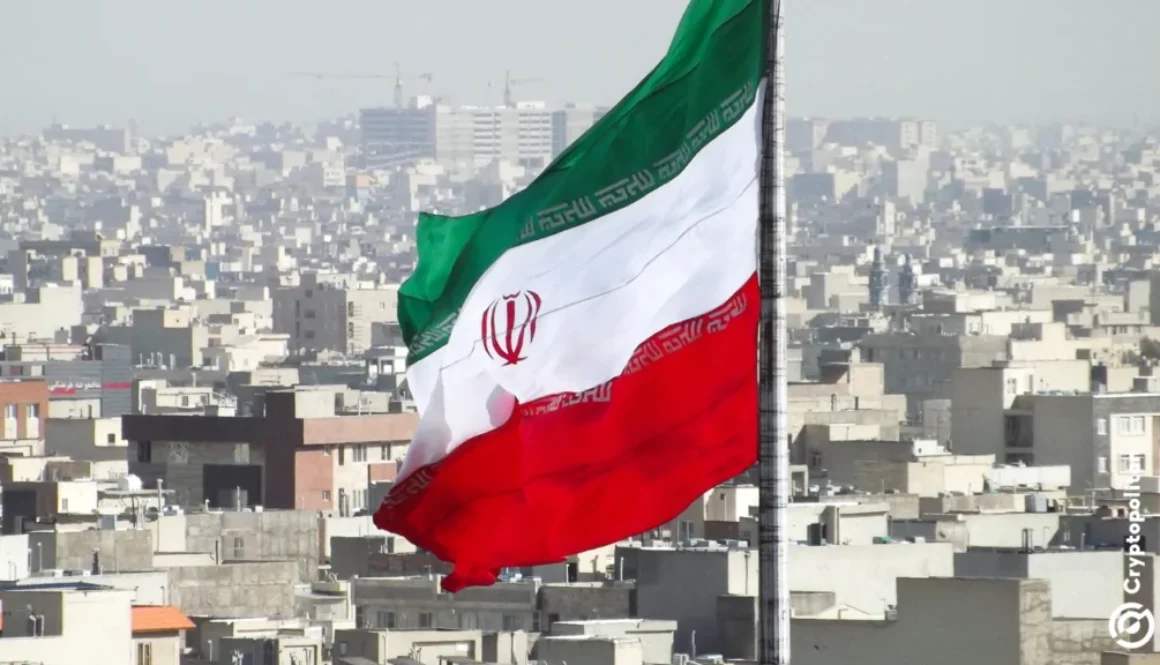
Iran Threatens U.S. Tech Giants as Middle East Conflict Escalates
Iran’s Revolutionary Guard directly threatened four major U.S. technology companies, Nvidia, Apple, Microsoft and Google, by name as missile and drone attacks across the Middle East damaged American corporate infrastructure for the first time. For institutional investors holding positions in tech giants with Gulf operations or supply chain exposure, the escalation signals a material shift in geopolitical risk that could disrupt data center buildouts, cloud infrastructure and semiconductor distribution networks across the region.
- Debris from an intercepted Iranian projectile struck Oracle’s Dubai tower facade on Saturday, marking first direct hit on U.S. corporate infrastructure in the Gulf region.
- Iran’s Revolutionary Guard explicitly named Nvidia, Apple, Microsoft and Google as targets amid broad missile and drone campaign across Middle East.
- F-15E shot down over southwestern Iran on Friday with one crew member missing; Trump issued 48-hour ultimatum to Tehran over Strait of Hormuz control.
- Dozens of projectiles intercepted by UAE in 24 hours prior to Oracle building strike
- 48 hours Trump’s stated deadline for Iranian compliance before military escalation
- 1 U.S. combat aircraft successfully downed by Iranian forces since late February conflict start
Iran’s military apparatus has moved from rhetorical threats to explicit targeting of the U.S. technology sector’s physical presence in the Middle East. On Saturday, debris from an intercepted Iranian missile struck the exterior of the Oracle building in Dubai Internet City, confirmed by Dubai’s Media Office.
While authorities described the damage as minor with no reported injuries, the incident marks a critical threshold: American corporate infrastructure in one of the world’s most critical technology hubs is no longer insulated from active combat operations.
The UAE intercepted dozens of projectiles in the 24 hours leading up to the strike, yet one piece of debris still penetrated the defensive perimeter and reached an American corporate asset.
The simultaneous announcement by Iran’s Revolutionary Guard naming Nvidia, Apple, Microsoft and Google as direct targets transforms the threat from background geopolitical risk into a specific operational concern for these firms.
Each of these companies operates critical infrastructure across the Gulf. Nvidia supplies semiconductor components through regional distribution channels serving data centers and cloud providers throughout the Middle East and South Asia. Apple maintains corporate offices, customer support operations and supply chain hubs in the UAE and Saudi Arabia.
Microsoft runs cloud infrastructure and enterprise services across multiple Gulf states, including critical business operations for regional financial institutions and government entities. Google operates data centers, advertising infrastructure and search services similarly distributed across the region.
An escalation targeting these firms could disrupt not only their direct Gulf operations but also their broader supply chains feeding into India, Southeast Asia and African markets.
F-15E Shot Down as U.S. Military Searches for Missing Airman
The conflict’s military dimensions sharpened dramatically on Friday when an F-15E Strike Eagle was downed by Iranian forces over southwestern Iran, the first successful engagement of a U.S. combat aircraft since the broader Middle East conflict began in late February. One crew member was rescued immediately.
The second remains missing, with both U.S. and Iranian forces conducting active search operations in the same contested territory, introducing the possibility of capture and the use of a missing American serviceman as political leverage.
The military losses accelerated through the weekend. An A-10 Warthog pilot ejected after his aircraft took fire over Kuwait in a separate incident. Two Black Hawk helicopters deployed in the ongoing search operation came under fire while operating inside Iranian airspace, though both returned safely to base.
U.S. military officials privately expressed concern that Tehran could exploit a capture of the missing airman for diplomatic or propaganda purposes, adding urgency to the search and raising stakes for any broader negotiation.
The escalation in aircraft losses and the introduction of a missing serviceman into the conflict represents a material shift in the operational intensity of the broader confrontation.
Trump Issues 48-Hour Ultimatum Over Strait of Hormuz Control
President Trump responded to the military developments with a direct threat posted to Truth Social on Saturday.
He referenced his earlier ultimatum demanding Iran open the Strait of Hormuz or reach a deal within ten days, and warned that Iran had 48 hours before “all Hell will reign down on them.” The ultimatum marks an explicit countdown, transforming rhetorical pressure into a time-bound demand with stated consequences for non-compliance.
The Strait of Hormuz remains the world’s most critical chokepoint for global oil and liquefied natural gas exports, with roughly one-third of all seaborne traded oil passing through its waters daily.
Iran’s ability to threaten closure of the strait, whether through direct military action, mining, or drone and missile attacks on passing vessels, gives Tehran leverage that extends far beyond the Gulf region. Control of the strait affects energy prices and supply security for Europe, Asia and North America simultaneously.
The 48-hour timeline creates a specific decision point for both sides. If Iran makes no move toward compliance, Trump has publicly committed to military action. If Tehran escalates further, the U.S. response becomes nearly automatic given the stated ultimatum.
Neither side has room for ambiguity, and the compressed timeframe eliminates space for extended negotiation or backchanneling that typically characterizes high-level geopolitical crises.
Institutional investors should monitor whether Iran makes any statement responding to Trump’s ultimatum before the 48-hour window closes, and whether the U.S. military issues any formal rules of engagement changes or positioning announcements that would signal preparation for broader strikes; simultaneously, watch for any statement from India’s oil ministry on additional Iranian crude purchases, as such moves typically signal confidence or concern about continued supply chain access depending on their timing relative to escalation.
Data Center Risk Premium Now Priced Into Gulf Infrastructure Insurance
The Oracle Dubai strike has immediate consequences for the cost of insuring critical tech infrastructure across the Gulf Cooperation Council region.
Insurance carriers covering data centers, cloud facilities and network operations centers in the UAE, Saudi Arabia and Qatar are already reviewing premiums, with some brokers reporting requests for hazard assessments at facilities within 50 kilometers of military installations or populated coastlines.
One London-based institutional insurer told Reuters that cyber and physical asset coverage in the region faces potential 15-25% rate increases in Q2 renewals, compared to single-digit adjustments in the prior 12 months.
This repricing directly affects capital allocation decisions for hyperscalers expanding in the Middle East. Nvidia, Microsoft and Google have collectively announced over $8 billion in Gulf data center investments since 2022, with much of that deployment targeting the UAE and Saudi Arabia as bridges to Asian markets and sources of sovereign wealth capital.
Higher insurance costs reduce project returns by 2-4% of total capex, forcing developers to either compress timelines to lock in current rates or renegotiate cost-sharing arrangements with regional anchor tenants including state-backed funds and sovereign wealth vehicles.
The insurance market’s reaction will surface within 30 days as Q2 renewal notices arrive; institutional investors should monitor whether Oracle, AWS and other operators with UAE exposure file force majeure claims or seek expanded coverage, signaling confidence or caution about near-term stability in the region.
Iran Threatens U.S. Tech Giants as Middle East Conflict Escalates
Oracle’s Dubai tower takes debris strike. Iran’s Revolutionary Guard names Nvidia, Apple, Microsoft and Google as targets. A missing U.S. airman, two downed aircraft and a 48-hour ultimatum from Trump.
Oracle Building Hit as American Corporate Sites Enter the Blast Zone
Iran launched a broad wave of missile and drone attacks across the Middle East on Saturday, marking a significant shift in the conflict’s geography. The UAE said it intercepted dozens of incoming projectiles in the 24 hours prior — and debris from one intercept struck the facade of the Oracle building in Dubai Internet City.
The Dubai Media Office confirmed no injuries and described the incident as minor. Damage was limited. But the symbolic weight was not: American corporate infrastructure in the Gulf is no longer sitting outside the blast zone.
Iran’s Revolutionary Guard simultaneously issued direct threats against a wider group of U.S. technology companies operating across the region — naming Nvidia, Apple, Microsoft and Google by name.
⚠ Iran’s Revolutionary Guard has directly threatened U.S. tech infrastructure in the Middle East, including Nvidia, Apple, Microsoft and Google.
Missing Airman, Two Downed Aircraft and Trump’s 48-Hour Warning
The U.S. military continued searching Saturday for a missing airman after an F-15E was shot down over southwestern Iran on Friday — the first U.S. combat aircraft successfully downed by Iranian forces since the conflict began in late February. One crew member was rescued. The second remained missing, with both U.S. and Iranian forces searching the same area.
In a separate incident, an A-10 Warthog pilot ejected after the aircraft was struck by Iranian fire over Kuwait. Two Black Hawk helicopters deployed in the search operation also came under fire inside Iranian airspace, though both returned safely. U.S. officials privately expressed concern the missing airman could be captured and used as political leverage by Tehran.
“Time is running out — 48 hours before all Hell will reign down on them.“
President Trump posted on Truth Social on Saturday referencing his earlier ultimatum over the Strait of Hormuz, warning Iran it had 48 hours before consequences. The threat followed his earlier demand that Iran open the strait or make a deal within ten days.
India Resumes Iranian Crude as Bushehr Plant Takes Strike
India’s oil ministry confirmed its refiners had secured crude supplies including Iranian oil, after disruptions to Strait of Hormuz shipping lines cut into global supply. India had not received Iranian crude since May 2019, when U.S. pressure pushed buyers away from Tehran’s exports. The ministry also confirmed that 44,000 metric tons of Iranian liquefied petroleum gas had berthed at Mangalore this week aboard a sanctioned vessel.
The move signals a realignment in energy trade. The United States had temporarily removed sanctions on Iranian oil and refined products to reduce supply shortages — a decision now being tested by the ongoing strikes.
Near Bushehr, a projectile struck close to Iran’s nuclear power plant overnight, killing at least one worker and damaging part of the site. The International Atomic Energy Agency confirmed radiation levels remained normal but issued a warning against further strikes near nuclear facilities. Iran’s Foreign Minister said Tehran was not ready to rush into negotiations and would accept only a “conclusive and lasting” resolution to the war.
Russian state nuclear company Rosatom evacuated an additional 198 staff from the Bushehr site. It has been withdrawing workers since the conflict began at the end of February.