Trader loses 31.22 ETH to wallet misconfiguration routing transaction to Ethereum
A trader lost 31.22 ETH, worth $112,745, to a wallet misconfiguration that routed a transaction to Ethereum instead of PulseChain, exposing a critical UX vulnerability in multi-chain DeFi that could cost institutional users millions if left unaddressed. The incident and its partial recovery highlight both the fragility of chain selection mechanisms and the dependence of users on validator goodwill.
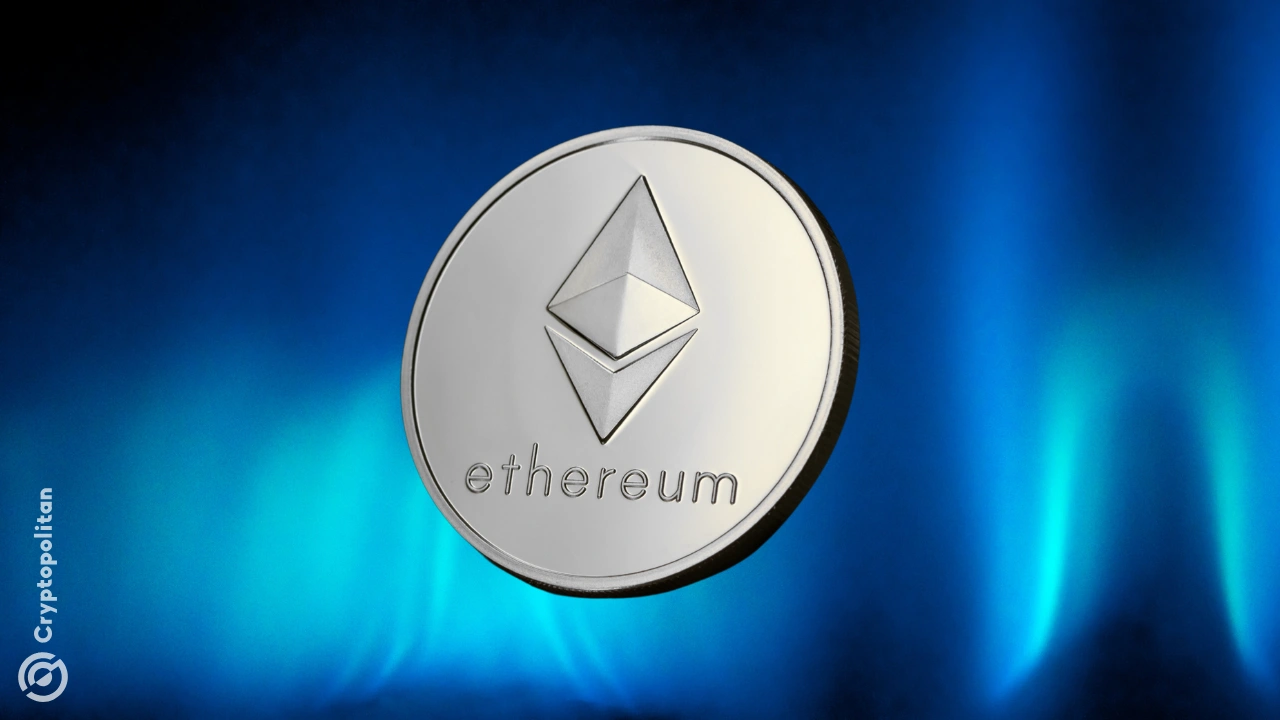
- A trader paid 31.22 ETH in gas fees on Ethereum instead of PulseChain due to a wallet glitch, losing $112,745 in a single transaction on July 18, 2025.
- Ethereum validator TitanBuilder refunded 29.5295 ETH ($103,511.61) to the trader, recovering approximately 94% of the mistaken fee four hours after the incident.
- The error exploits EVM compatibility between PulseChain and Ethereum, forcing traders to manually select networks and native tokens with vastly different costs (ETH at $3,525 versus PLS at $0.00003014).
- 31.22 ETH mistakenly paid as gas on Ethereum instead of PulseChain.
- 29.5295 ETH refunded by validator, recovering 94% of lost amount.
- $112,745 total loss at time of transaction on July 18, 2025.
On July 18 (Wednesday, September 16, 2026, approximately 14 months ago), a trader executing a transaction on PulseChain’s DeFi ecosystem experienced a critical wallet malfunction that routed the transaction to Ethereum instead, triggering a 31.22 ETH gas fee charge instead of the fraction that would have cost in PulseChain’s native token. The mistake was first reported by Cryptopolitan, with Whale Alert broadcasting the anomaly across social channels. The fee consumed $112,745 in value, a figure that represents not merely an isolated user error but a systemic UX failure that could recur at scale as institutional traders navigate increasingly fragmented multi-chain infrastructure.
Wallet configuration error forces choice between two incompatible fee structures
The trader’s wallet contained a configuration bug that automatically submitted transactions to Ethereum’s mainnet despite the user’s intention to trade on PulseChain, an EVM-compatible blockchain built on Ethereum’s consensus layer.
Because both chains share the Ethereum Virtual Machine standard, the transaction remained cryptographically valid on Ethereum, triggering the network’s native fee schedule, measured in ETH at $3,525.88 per coin at the time of the event.
Had the transaction executed on PulseChain as intended, the trader would have paid a negligible fraction of that amount in PLS, PulseChain’s native token, which trades at $0.00003014.
The architecture creates a trap for users who must manually select both the target network and the denominating asset before each transaction.
Conor Grogan, a Director at Coinbase, posted on X urging Ethereum validator TitanBuilder to return the funds. Grogan stated that the 31 Ether had been transferred to a crypto exchange wallet, suggesting an automated sweep rather than human custody, which increased the likelihood of recovery through validator intervention. Over the past several years, Grogan has recovered more than $10 million in lost Ether and unclaimed airdrops for over 50 users, and previously helped recover $3 million belonging to crypto exchange Gate, establishing him as a credible intermediary in high-value fund recovery scenarios.
Validator returns 94% of mistaken fee within four hours
TitanBuilder, the Ethereum validator who received the transaction fees, refunded 29.5295 ETH to the trader approximately four hours after the error occurred.
The validator stated on X that the refund represented “100% of the block profit back to the user,” indicating that TitanBuilder had extracted the entire MEV (maximal extractable value) from the transaction and chose to return it rather than retain it as validator reward.
The recovery left the trader with a net loss of approximately 1.69 ETH ($5,967), still a material cost for a single routing error.
The incident exposes a structural vulnerability in multi-chain wallets and user interfaces that depend on manual chain selection without redundant safeguards.
Institutional traders executing large positions across fragmented liquidity pools face exponential risk as EVM compatibility increases the number of networks where a single private key can execute transactions, yet wallet UIs have not evolved to match the complexity.
The absence of chain-confirmation screens, transaction preview mechanisms tied to fee estimation, or mandatory gas-cost warnings creates an environment where a software glitch or momentary UI confusion can trigger six-figure losses that only validator benevolence can partially recover.
The CCS read. Validator goodwill is not a compliance framework. If institutional capital is to migrate confidently to multi-chain infrastructure, wallets must implement immutable chain-binding at the key derivation level and transaction fee estimation that accounts for cross-chain gas price differentials, standards that centralized exchanges have enforced for years but remain inconsistent across self-custody platforms and DeFi interfaces.
The test of whether this incident becomes a systemic fix or remains a one-off anecdote lies in whether wallet developers and PulseChain’s core infrastructure team implement mandatory chain-confirmation warnings, cross-chain fee estimation displays, or transaction reversal mechanisms within the next 90 days, steps Grogan’s recovery work demonstrates are technically feasible but have not yet become industry standard.