OCC’s crypto trust charter rule faces legal challenge from community bankers
The Independent Community Bankers of America sued the Office of the Comptroller of the Currency on Friday (October 2, 2026), asking a federal court to strike down the rule that lets crypto firms obtain national trust bank charters and to vacate one firm’s charter outright. For institutional investors building compliance programs around OCC-chartered crypto custodians, the ruling will decide whether that charter route survives as a durable regulatory pathway or collapses into years of litigation risk.
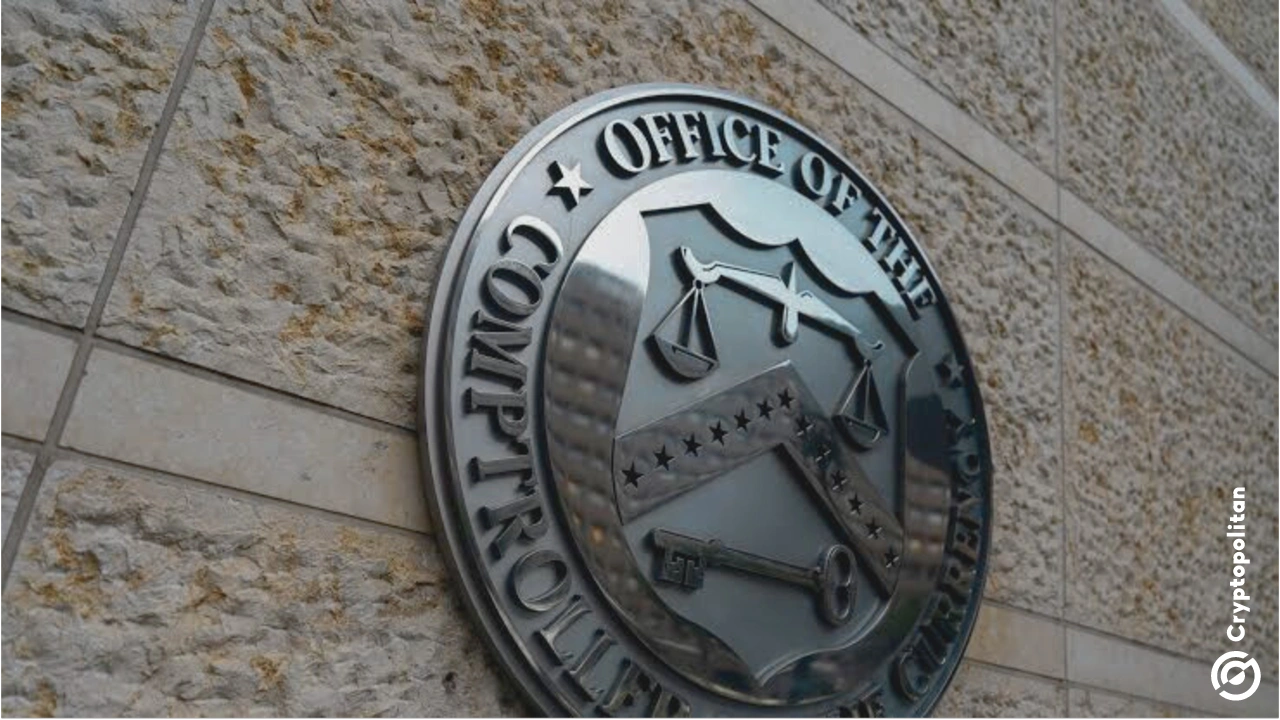
- ICBA filed suit in the U.S. District Court for the District of Columbia under the Administrative Procedure Act on Friday, October 2, 2026.
- The complaint targets the OCC’s final rule tied to Interpretive Letter No. 1176, which took effect on April 1, 2026, and asks the court to vacate the charter.
- Senator Elizabeth Warren’s May 18, 2026 letter found the OCC had approved at least nine national trust charters for crypto firms since December 2025.
- 9 national trust charters OCC gave crypto firms since Dec. 2025
- 23 of 40 recent OCC bank-charter applications tied to digital assets
- $300B stablecoin market size BIS projects, 98% dollar-linked
A community-banking trade group representing thousands of local lenders has put the OCC’s crypto chartering program in front of a judge. ICBA, which counts most of the nation’s community banks as members, argues the agency used a narrow trust-charter provision in the National Bank Act to wave digital asset firms into the banking system without the deposit insurance, capital rules or Community Reinvestment Act duties that apply to ordinary banks. The filing, first reported by Cryptopolitan, follows months of warnings from both ICBA and Capitol Hill that went unanswered by the regulator.
ICBA Asks Court to Vacate Trust Charter
ICBA President and CEO Rebeca Romero Rainey said in the group’s statement announcing the suit that the OCC’s policy “exceeds the authority Congress granted the agency” and functions as a side door into the banking system for firms seeking the credibility of a federal charter without the obligations that come with one.
American consumers reasonably expect a federally chartered bank to carry federal protections. Digital assets held at a crypto firm operating under a national trust charter do not carry those important safeguards.
Rebeca Romero Rainey, President and CEO, ICBA
The lawsuit targets the OCC’s chartering practices, asking the court to vacate the broader rule.
ICBA’s filing also notes that before this wave of approvals, the OCC had never chartered a national bank that neither took deposits nor performed