Dragonfly’s Haseeb Qureshi says AI agents do not need crypto
Dragonfly managing partner Haseeb Qureshi used a TOKEN2049 Singapore keynote on October 7 to walk back his own thesis that AI agents would mostly pay with crypto. He argued card networks already serve agents well and that crypto’s real job is protecting people, not bots.
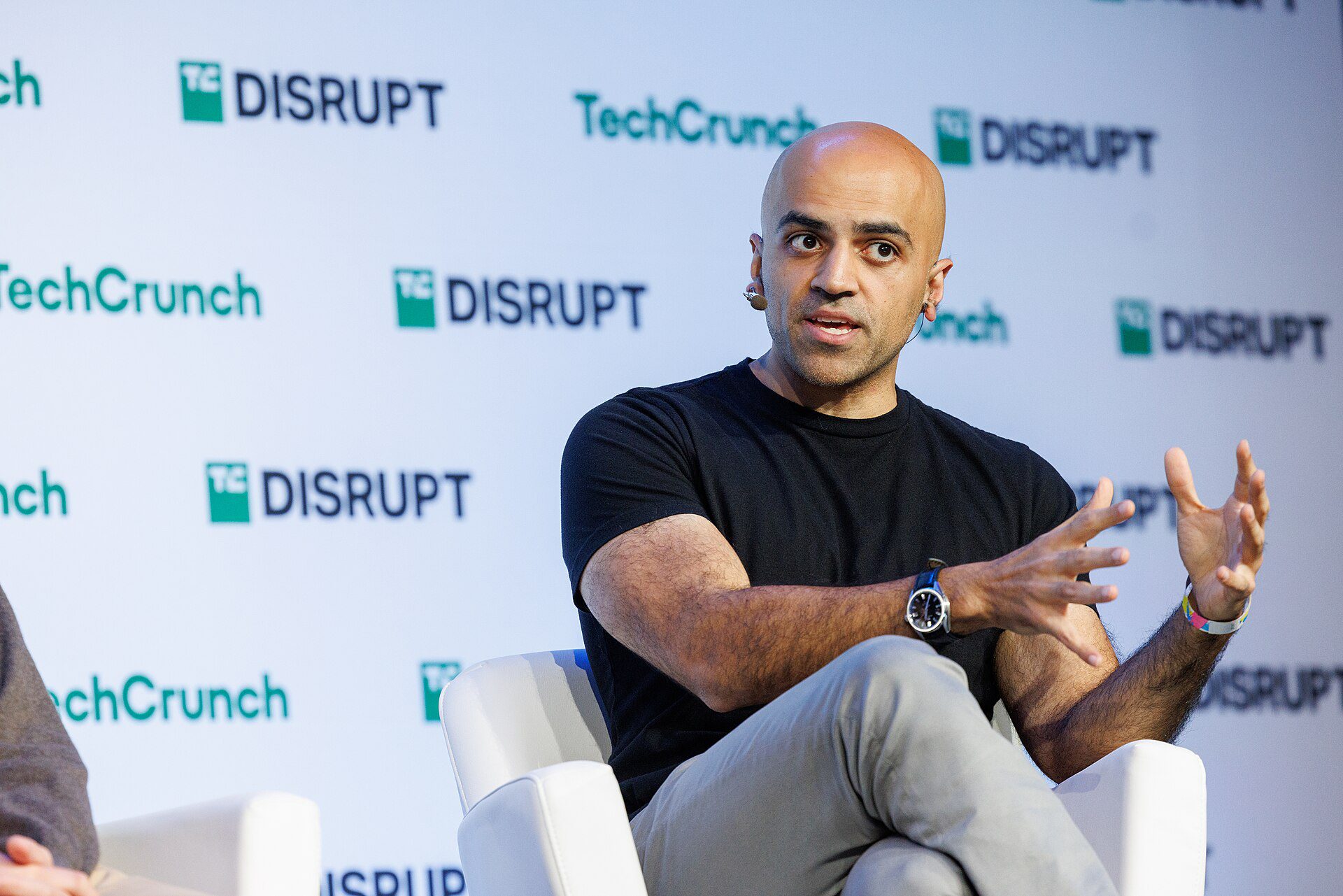
- Qureshi said he was wrong to expect agents to default to crypto rails, according to ChainCatcher’s compiled text of the talk.
- He pointed to agent-focused card products from Visa, Stripe, Ramp and Rain as evidence traditional finance adapted faster than he expected.
- He recast crypto, together with private AI, as a last line of defense for individual privacy as AI strips away friction.
Haseeb Qureshi, managing partner of venture firm Dragonfly, used his TOKEN2049 Singapore keynote, titled “Agents + Crypto: What’s Real & What’s Cope,” to reverse one of the industry’s favorite narratives. According to ChainCatcher’s compiled text of the speech, he summed up his new view as “your agent does not need crypto; you need crypto.” CCS could not find a recording or a second outlet’s full account of the talk at the time of writing, so the details below rely on ChainCatcher’s version, which may differ from the delivery in places.
Qureshi says card networks moved faster than he expected
Qureshi said he had been wrong to assume agents would mostly transact in crypto and that traditional finance would not be ready for them. Visa, Stripe, Ramp and Rain have all launched agentic card products, and he said he mostly pays through a card himself. He added that growth in crypto-based agent payments peaked around last November and has declined since. A shorter ChainCatcher summary framed the takeaway the same way: the idea that agents would broadly adopt crypto payments has not held up, and cards are well placed to carry agent spending.
He questioned how much x402 volume is real
The sharpest claim concerned x402, the open protocol Coinbase introduced for agent payments over the web. Per ChainCatcher, Qureshi said roughly 90% of x402 payment volume comes from users exploiting rewards rather than from genuine agent commerce. That figure appears only in ChainCatcher’s account, and the report cites no underlying data, so it is best read as his estimate rather than a measured statistic.
Crypto’s job is protecting people, he argued
The second half of the talk turned to privacy and self-custody. Qureshi argued that personal privacy has historically rested on friction, the effort it took to watch or track someone, and that AI removes that friction. He cited reports that physical attacks on crypto holders reached record levels in 2025 and 2026. In that world, he said, crypto and private AI act as individuals’ last defense against surveillance. He pointed to growth in Zcash shielded addresses as evidence that better user experience drives privacy adoption. He also highlighted Venice, a private AI service that users can access with an Ethereum address and pay for in stablecoins. Dragonfly is an investor in Venice.
The CCS read. When one of crypto’s most active venture investors says the agent-payments thesis was oversold, allocators should listen. Many projects and tokens launched over the past year were pitched on the premise that machine-to-machine commerce would default to stablecoins. If card networks absorb most agent spending instead, the case for many of those tokens weakens, and investors should ask agent-payment projects for volume figures net of incentive programs. Qureshi’s privacy argument points capital in a different direction, toward shielded transactions, self-custody security and private compute. Those are also the areas that draw the most regulatory scrutiny, which makes them higher-conviction and higher-risk bets at the same time.
Watch whether Coinbase or x402 contributors publish data separating incentive-driven volume from organic agent payments, and whether other investors at TOKEN2049 echo the shift. Qureshi is also listed to moderate Chopping Block Live on day two. For a builder’s view of agent commerce, read our interview on how Daski handles what happens after an agent pays, and follow all our TOKEN2049 coverage on the live hub.