A 12-Month Rule Could Put Nigel Farage’s Crypto Lobbying in Trouble
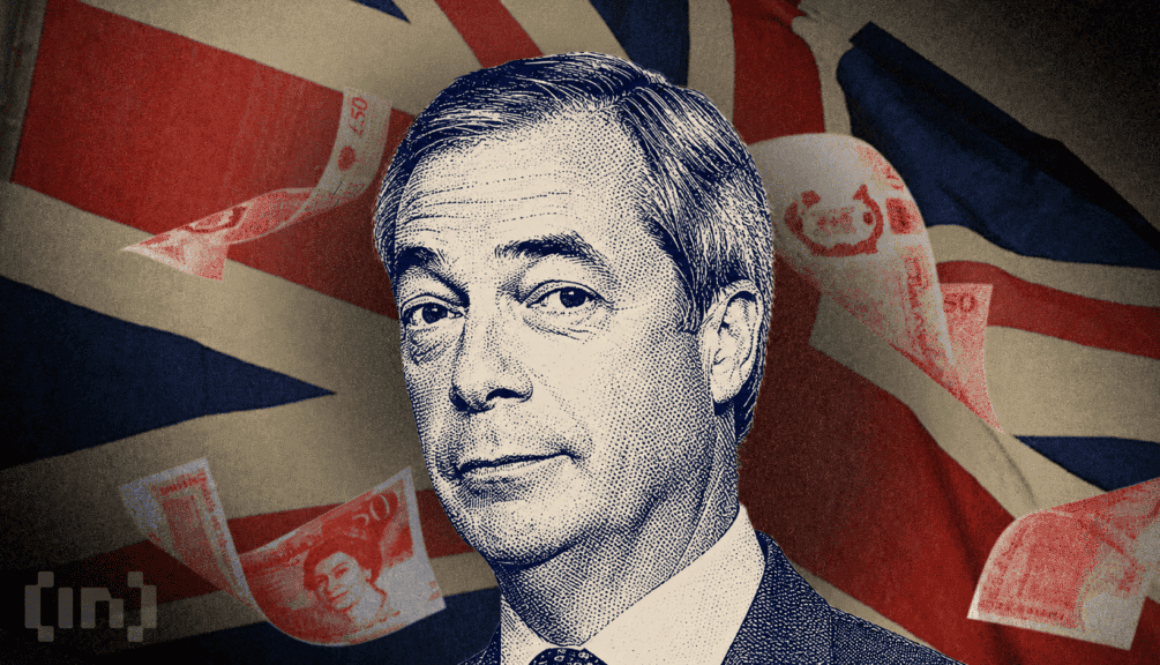
A formal parliamentary complaint alleges that Reform UK leader Nigel Farage lobbied the Bank of England on cryptocurrency policy while bound by a 12-month restriction on advocating for recent donors, a rule designed to prevent conflicts of interest. The timing and scale of donations from billionaire Christopher Harborne, who holds a significant stake in Tether, raise questions about whether Farage’s September 2025 meeting with Bank of England Governor Andrew Bailey violated UK standards on paid advocacy.
- Labour MP Phil Brickell filed a formal complaint on July 2 alleging Farage lobbied Bank of England within 12 months of receiving a January 2025 donation from Harborne.
- Farage reportedly accepted a £5 million gift from Harborne before the July 2024 election and two subsequent £25,000 donations in January 2025 and February 2026.
- The Bank of England dropped stablecoin holding caps in favour of a £40 billion issuance ceiling nine months after Farage’s private September 2025 meeting with Governor Bailey.
- 12 months Parliamentary restriction on MP advocacy for recent benefactors, doubled from six months in March 2023.
- £5 million Gift from Harborne to Farage prior to July 2024 general election, currently under separate investigation.
- £40 billion New stablecoin issuance ceiling set by Bank of England, up from £20,000 previous cap level.
Labour MP Phil Brickell filed a formal complaint with Parliament’s standards watchdog on July 2, asking Daniel Greenberg, the Parliamentary Commissioner for Standards, to examine whether Nigel Farage breached the House of Commons’ lobbying rules.
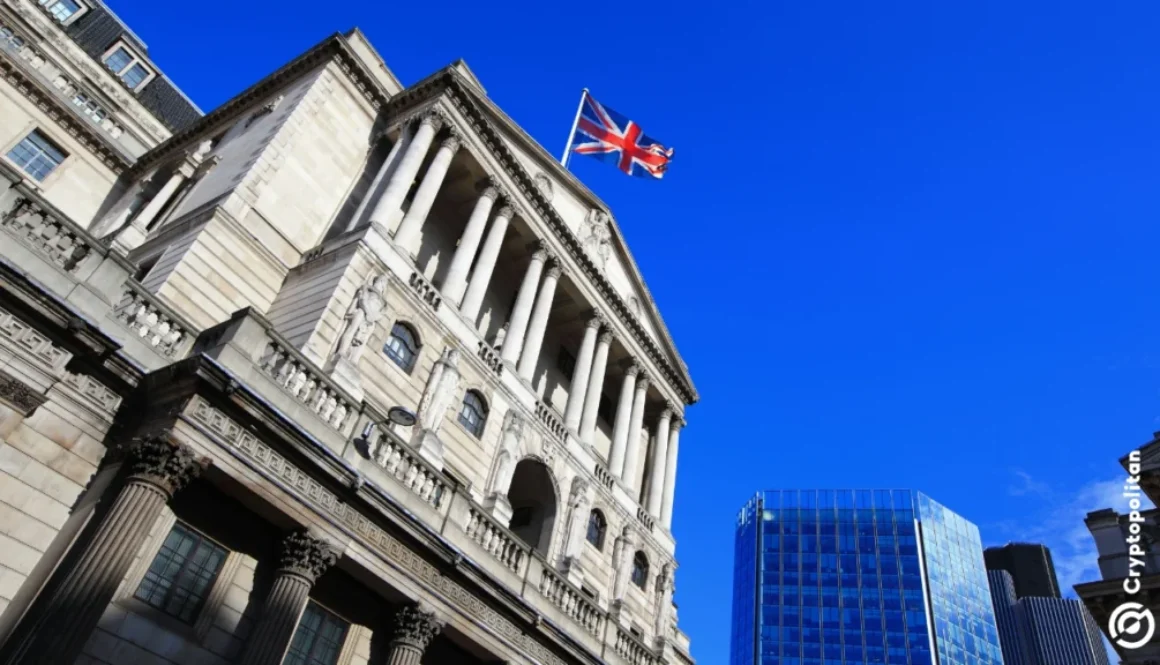
The complaint centres on a private meeting between Farage and Bank of England Governor Andrew Bailey in September 2025, where Farage reportedly urged the central bank to abandon its digital pound initiative.
The timing is critical: UK parliamentary guidance prohibits MPs from approaching ministers or public officials on behalf of donors for 12 months after receiving a benefit, and Farage had received a £25,000 donation from billionaire Christopher Harborne in January 2025, placing him within the restricted period at the time of the Bailey meeting.
Harborne, a Thailand-based cryptocurrency investor, reportedly holds a 12% stake in Tether’s USDT stablecoin, one of the world’s largest and most controversial digital assets. Beyond the January donation, Harborne gave Reform UK an additional £15 million and provided Farage with a £5 million gift prior to the July 2024 general election.
That pre-election gift is already the subject of a separate investigation into whether it should have been declared under parliamentary rules. The concentration of support from a single donor with direct financial interests in cryptocurrency policy creates the appearance of a conflict, particularly when Farage’s subsequent advocacy could materially benefit that donor’s holdings.
UK Parliamentary Rule Tightened After Owen Paterson Case Now Tests Farage
The 12-month restriction at the heart of the complaint was not always standard practice. UK Parliament doubled the lobbying ban from 6 to 12 months in March 2023, a direct response to the Owen Paterson scandal two years earlier.
Paterson, a Conservative MP, resigned in 2021 after the standards committee found he had lobbied for two firms that paid him more than £100,000 annually without disclosing the conflict. That case prompted Parliament to tighten ethical rules governing the intersection of private financial interests and public advocacy.
The specific rule invoked by Brickell states: “Paid lobbying is prohibited.
An MP who has received a benefit such as hospitality, a gift or payment must not for 12 months after receipt engage in any approach to a minister, other MP or public official which would provide (or seek to provide) a financial or material benefit for the person or organisation which provided them with that payment.” This language is deliberately broad, designed to capture not only explicit payments for lobbying services but also situations where an MP receives money from a beneficiary and then advocates for policies favouring that person’s interests.
Brickell, who chairs Parliament’s anti-corruption group, framed the complaint in unambiguous terms according to reporting by The Guardian. “This is not simply a debate about cryptocurrency.
It is about whether an MP who has received millions from one individual should be lobbying for policies that could increase the value and profitability of that donor’s investments.” The complaint is therefore not arguing that crypto policy is inherently improper, but rather that the specific sequence of donations and advocacy violates the conflict-of-interest safeguards Parliament established.
September 2025 Bank of England Meeting Falls Squarely Within 12-Month Window
The timeline is central to whether Farage violated the rule. Harborne provided Farage with a £25,000 donation in January 2025. Under the 12-month restriction, Farage would be prohibited from lobbying for Harborne’s interests until January 2026.
Yet in September 2025, eight months after the January donation, Farage met privately with Andrew Bailey, the Bank of England’s Governor. At that meeting, Farage reportedly urged the Bank to scrap its digital pound plans, a policy position with direct relevance to Harborne’s stablecoin interests.
The Bank of England’s subsequent policy shift lends weight to the complaint’s implication. Nine months after the Farage-Bailey meeting, in June 2026, the Bank dropped its proposed £20,000 stablecoin holding cap in favour of a £40 billion issuance ceiling, a vastly more permissive framework.
Industry figures had warned that the £20,000 cap could render stablecoin operations commercially unviable, making the shift from a £20,000 ceiling to a £40 billion limit a material regulatory victory for stablecoin issuers like Tether. Farage has since claimed public credit for the softer approach, according to reporting by The Telegraph, explicitly linking his advocacy to the policy outcome.
Institutional investors watching cryptocurrency regulation will recognize the pattern: a donor with direct financial exposure to a regulatory outcome, a meeting with the policymaker during the restricted period, and a subsequent policy shift favouring the donor’s interests.
Separate Investigation into Undeclared £5 Million Gift Still Pending
The Brickell complaint exists alongside a separate, ongoing investigation by the Parliamentary Commissioner for Standards into whether Farage should have declared the £5 million gift from Harborne before the July 2024 general election.
The BBC reported that Greenberg is already examining this matter, meaning the standards watchdog has two distinct questions to resolve: first, whether the pre-election gift required declaration, and second, whether the subsequent January 2025 donation triggered the 12-month lobbying restriction that Farage may have breached.
These investigations operate independently but inform each other. If Greenberg determines that Harborne’s financial ties to Farage were significant enough to require disclosure, that finding would strengthen the argument that Farage should have been aware of the conflict-of-interest rules governing his subsequent advocacy.
Conversely, the timing and scale of donations establish a pattern that makes accidental oversight less credible as a defence. Farage received £25,000 in January 2025, another £25,000 in February 2026, and Reform UK received £15 million cumulatively, a concentration of support that any reasonable MP would recognize as requiring careful scrutiny under parliamentary ethics rules.
The stakes extend beyond parliamentary reputation. For institutional crypto investors evaluating regulatory risk in the UK market, the complaint signals that cryptocurrency advocacy by politicians with undisclosed financial interests in crypto assets may face formal challenge.
If Greenberg finds a breach, it could establish precedent for more rigorous oversight of politician-donor relationships in the crypto space, potentially affecting how cryptocurrency companies approach political engagement in future.
Greenberg’s Decision Will Test Whether Timing Rule Has Teeth
Daniel Greenberg, the Parliamentary Commissioner for Standards, will ultimately determine whether the September 2025 meeting between Farage and Bailey constitutes a breach of the 12-month rule. That determination hinges on several technical questions: whether the September meeting qualifies as an “approach” to a “public official” under parliamentary guidance, whether Farage’s advocacy “would