Ukrainian authorities reach agreement on the country’s new crypto bill
Ukrainian authorities have broken a regulatory deadlock by agreeing to split crypto supervision between the central bank and securities watchdog, clearing the path for parliament to pass the country’s first comprehensive digital asset law by year-end. The framework will let Kyiv tax crypto gains and block Russian money flows through blockchain, a critical concern as Moscow exploits digital assets to circumvent Western sanctions.
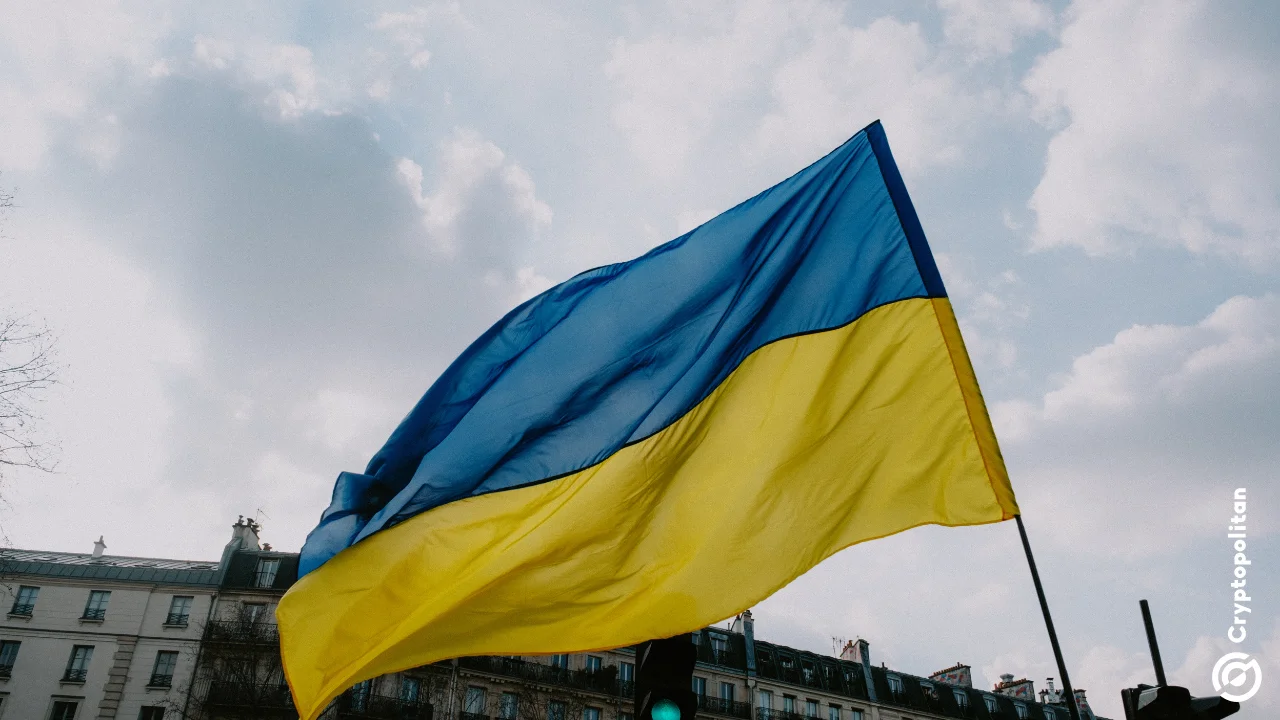
- National Bank of Ukraine will monitor crypto’s impact on the banking system and hryvnia stability; National Securities Commission will license digital asset operators.
- Parliament first read the bill in September 2025; a working group reviewed over 2,500 proposed amendments before the central bank and securities body resolved their differences in recent weeks.
- Law takes full effect July 1, 2027 if passed; Ukraine ranked among world’s top Bitcoin adopters even amid war, with 16% of population holding digital assets before 2022 invasion.
- July 1, 2027 Scheduled date for full implementation of Ukraine’s new crypto regulation law
- 2,500+ Amendments reviewed by parliament’s working group since September 2025 first reading
- 16% Share of Ukrainian population holding digital assets before Russia’s full-scale invasion in 2022
Financial authorities in Ukraine have reached agreement on a draft law regulating cryptocurrencies, ending a regulatory standoff that delayed the legislation for over a year. The National Bank of Ukraine (NBU) and the National Securities and Stock Market Commission (NSSMC) have divided supervisory powers, allowing parliament to move toward final approval in December 2026. The breakthrough matters to institutional investors because Ukraine’s unregulated crypto market operates in a war zone critical to sanctions enforcement; Kyiv must tighten financial oversight to join the EU’s Single Euro Payments Area and prevent Moscow from using digital assets to evade Western restrictions.
Central bank and securities regulator split crypto licensing and systemic monitoring
Under the new arrangement, the NSSMC will grant licenses to crypto market operators and determine which digital assets can trade legally. The NBU will monitor how cryptocurrency movements affect the banking system, the hryvnia exchange rate, and flows between traditional finance and blockchain, protecting monetary stability while giving the central bank real-time visibility into capital flows.
The deadlock over which agency held which power had stalled the bill’s progress for months. In early November, the NBU refused to back the framework, citing unspecified regulatory risks; weeks of discussion between the two bodies resolved those concerns, the Kyiv Independent reported.
Parliament’s working group reviewed 2,500 amendments since September 2025
The Verkhovna Rada passed the “On Virtual Asset Markets” bill on first reading in September 2025. A working group then scrutinized over 2,500 suggestions for changes, reshaping the law to align with the EU’s Markets in Crypto Assets (MiCA) regulation and meet International Monetary Fund requirements for Kyiv’s EU accession.
The legislation defines cryptocurrency as digital property secured by blockchain technology, not as money or legal tender. It bans crypto payments domestically and imposes tax obligations on capital gains, bringing Ukrainian rules into line with Brussels standards and fulfilling commitments to international lenders.
December vote will determine whether law reaches parliament by year-end
The NBU stated in writing: “We will be able to speak of a final approval only after a relevant discussion within the Verkhovna Rada Committee on Finance, Taxation and Customs Policy, which is scheduled for December of this year.”
If parliament approves the bill in its latest form before year-end, the law takes full effect on July 1, 2027. The timing matters because Ukraine faces acute pressure to regulate money flows in a war economy; according to Chainalysis, Russians’ crypto transactions shrunk by nearly 15% this year as sanctions tightened, yet the region remains Moscow’s largest crypto market, meaning Kremlin-linked capital still moves through Ukrainian exchanges and peer-to-peer channels.
Vasyl Orieshkin, regulation lead at the Ukraine Countering Illicit Finance project, told local media: “At a time of war, with significant Russian money moving through virtual assets, leaving this market unregulated is a real risk.” The law will give Ukrainian prosecutors tools to trace illicit transactions and block sanctions evasion.
Ukraine has long been a top crypto adopter; it ranked among global leaders in digital asset ownership even before the war, with 16% of the population holding coins. That user base has shifted toward remittance inflows from refugees in neighboring countries, sustaining trading volume despite the invasion. As Kyiv pursues EU financial integration, regulators cannot ignore a market that large without losing institutional credibility.
The CCS read. Institutional investors should track whether Kyiv’s parliament votes in December and meets the July 2027 implementation date, as delays signal weak political will to enforce sanctions. A live regulatory framework with clear licensing rules will make Ukrainian exchanges and custody providers eligible counterparties for Western institutions, currently restricted by undefined money-laundering risk. The real test is enforcement capacity: Kyiv’s courts and financial police must prove they can seize illicit proceeds faster than Moscow moves capital.
The Verkhovna Rada Committee on Finance, Taxation and Customs Policy will meet in December 2026 to debate the bill; if approved, parliament must pass it before the year closes to keep the July 1, 2027 implementation date intact.