World Liberty taps Mesh to bring USD1 to online merchants
World Liberty Financial executives said on a TOKEN2049 Singapore stablecoin panel on October 7 that payments firm Mesh will let USD1 holders spend the stablecoin across its merchant network this quarter. On the same day, WLFI co-founder Eric Trump told the conference that crypto had beaten the big banks.
- Mesh will integrate USD1 across its merchant network in the fourth quarter, according to WLFI and Mesh executives on the TOKEN2049 panel.
- WLFI says it wants to bring the same payments technology to large Web2 companies, but named no merchants, volumes or launch dates.
- BitGo issues USD1 today; WLFI co-founder Zak Folkman said the firm’s conditional OCC trust charter would let it take over issuance.
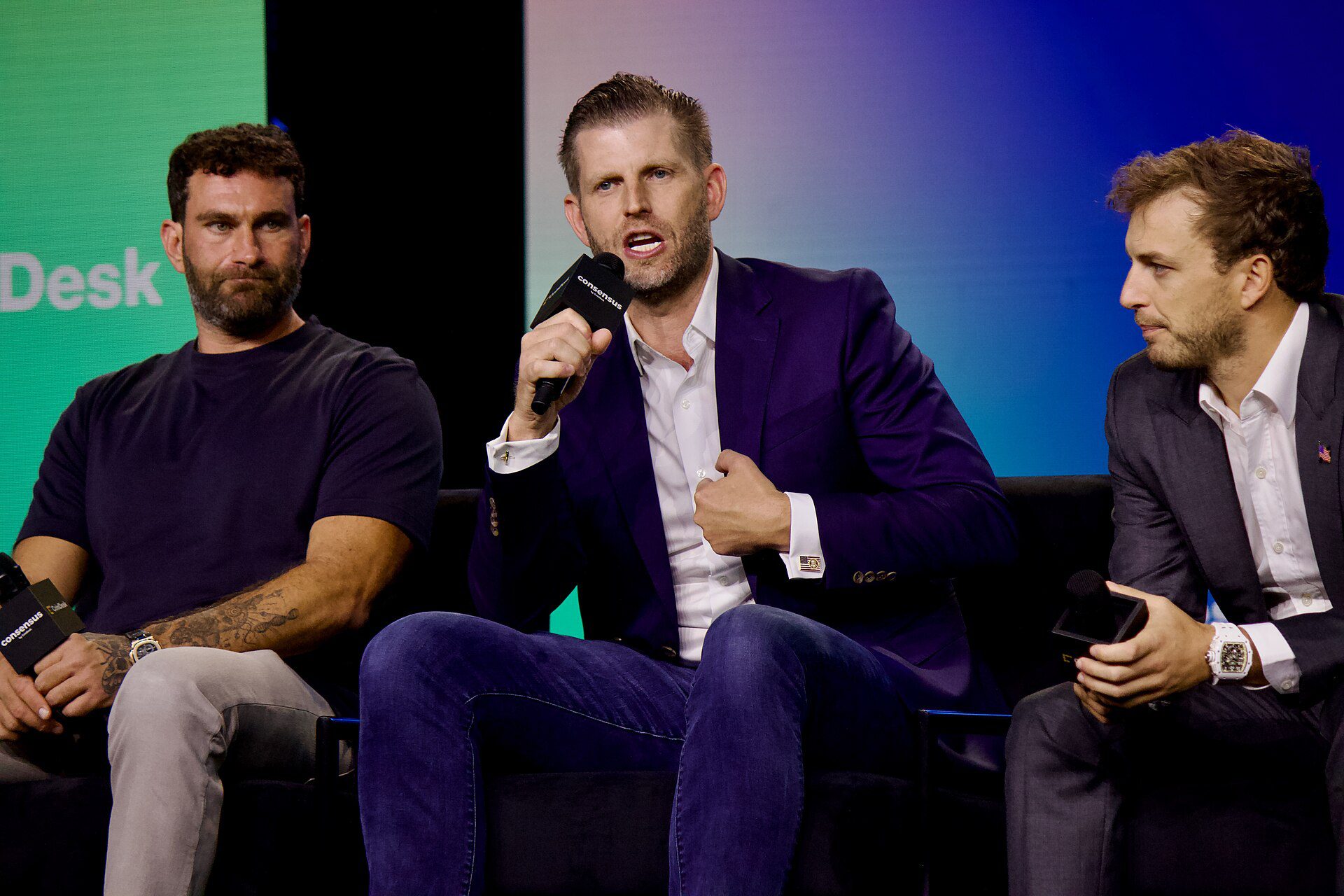
World Liberty Financial (WLFI), the crypto venture backed by the Trump family, used a stablecoin panel at TOKEN2049 Singapore on Wednesday to announce that payments infrastructure company Mesh will support its USD1 stablecoin for online merchant payments, Cointelegraph reported. WLFI chief executive Zach Witkoff and co-founder Zak Folkman shared the stage with Mesh co-founder and CEO Bam Azizi, who said USD1 holders will be able to spend the token inside Mesh’s merchant network. CCS did not find a formal press release from either company at publication time, so the details below rely on panel reporting from Cointelegraph, ChainCatcher and Cryptometer.
Mesh integration is scheduled for the fourth quarter
According to those reports, the USD1 integration is planned for the current quarter, which ends in December. Mesh runs a crypto payments network that connects wallets and exchange accounts to merchant checkouts. Neither company named the merchants that will accept USD1 first, and no transaction or volume targets were disclosed.
Folkman said WLFI plans to take the same technology to some of the largest Web2 businesses in the market, again without naming any. Crypto Briefing reported that the broader push is aimed at platforms that pay gig workers, rideshare drivers and content creators, and that it builds on WLFI’s AgentPay SDK for AI agent payments, launched in March, and an October 1 memorandum of understanding with MOA Protocol covering remittances and payments.
BitGo issues USD1 today, but WLFI wants that job
USD1 is currently issued by BitGo and is backed by cash, US government money market funds and other cash equivalents. Its market capitalization was about $4.45 billion according to CoinGecko data cited by Cointelegraph. In August, the Office of the Comptroller of the Currency conditionally approved WLFI’s application to set up a national trust bank.
Folkman told the panel the charter changes who issues the token. “With this trust charter, we’ll be able to take on that responsibility ourselves,” he said, per Cointelegraph. The approval has drawn criticism from Senator Elizabeth Warren over potential conflicts of interest tied to the president’s family, and she and colleagues introduced the Ending Presidential Corruption in Banking Act in response. The OCC has said its leadership and staff followed their statutory duties and ethical obligations.
Eric Trump tells the room crypto beat the banks
Eric Trump, a WLFI co-founder, argued from the TOKEN2049 stage that banks now racing to adopt digital assets amounted to a win for the industry, according to Bloomberg reporting cited by Benzinga. “I think today we could all declare victory,” he said. Trump also tied crypto’s next leg of growth to AI adoption rather than to crypto-specific catalysts.
He said the family’s hospitality business, which employs tens of thousands of people worldwide, is exploring paying salaries in stablecoins, according to accounts from ChainCatcher and SimpleSwap’s floor recap. He pointed to the 24 to 36 hours it takes a check to clear as the problem stablecoin payroll would solve, and noted that athletes are increasingly negotiating contracts in Bitcoin.
The CCS read. Payments are where stablecoins have to prove themselves beyond trading collateral and exchange settlement. A Mesh integration gives USD1 a merchant-facing route that does not depend on WLFI’s own app, which matters more than another exchange listing. But this is an announcement without the numbers institutions look for: no named merchants, no volume figures and no launch date more precise than the quarter. The bigger structural variable is the trust charter. If WLFI becomes its own issuer, USD1’s reserves, attestations and redemptions would sit inside a federally supervised entity tied to the sitting president’s family, which keeps political and conflict-of-interest scrutiny in play for any bank, payments firm or merchant considering the token.
What to watch: the first merchant names and live transaction data from Mesh, any final OCC sign-off on the WLFI trust bank, and whether USD1 supply moves after the panel. Follow all our TOKEN2049 coverage, and read our earlier look at how OCC approvals still leave crypto-friendly banks facing further review.