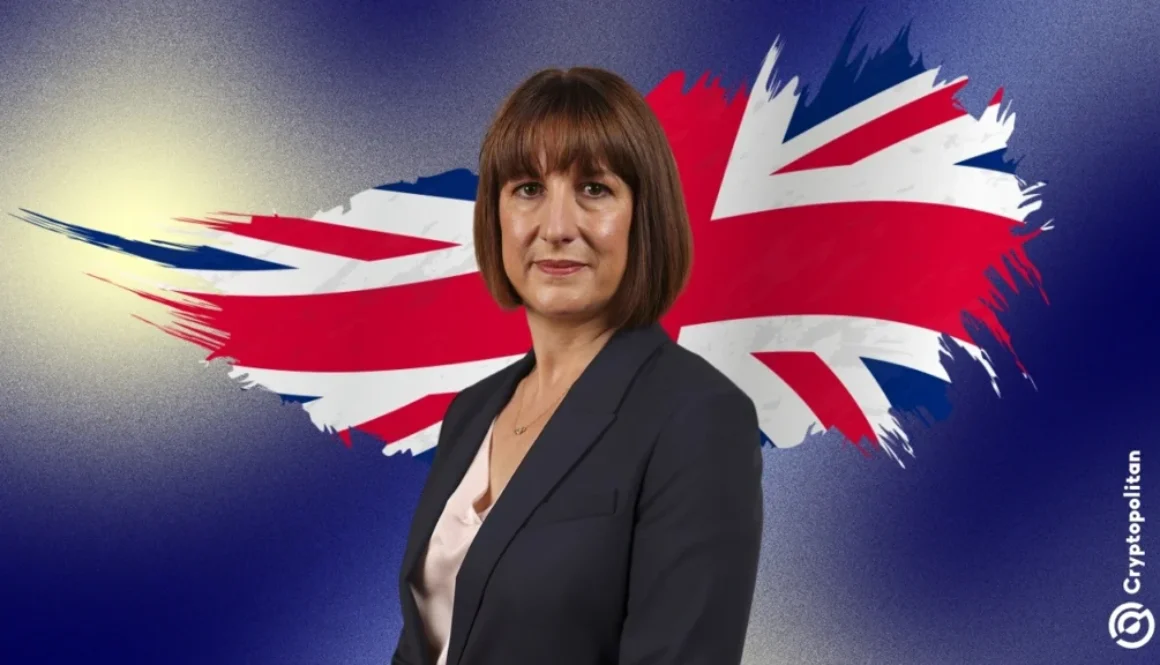
Nigel Farage steps down as drama from crypto donations, financial gifts persist
Nigel Farage’s resignation as an MP and decision to contest his own by-election has temporarily halted two parliamentary inquiries into undeclared financial support linked to cryptocurrency backers, raising questions about the governance standards applied to political figures with crypto holdings. For institutional investors monitoring regulatory risk in digital assets, the episode underscores how political entanglement with crypto funding sources can trigger formal scrutiny of both donors and recipients.
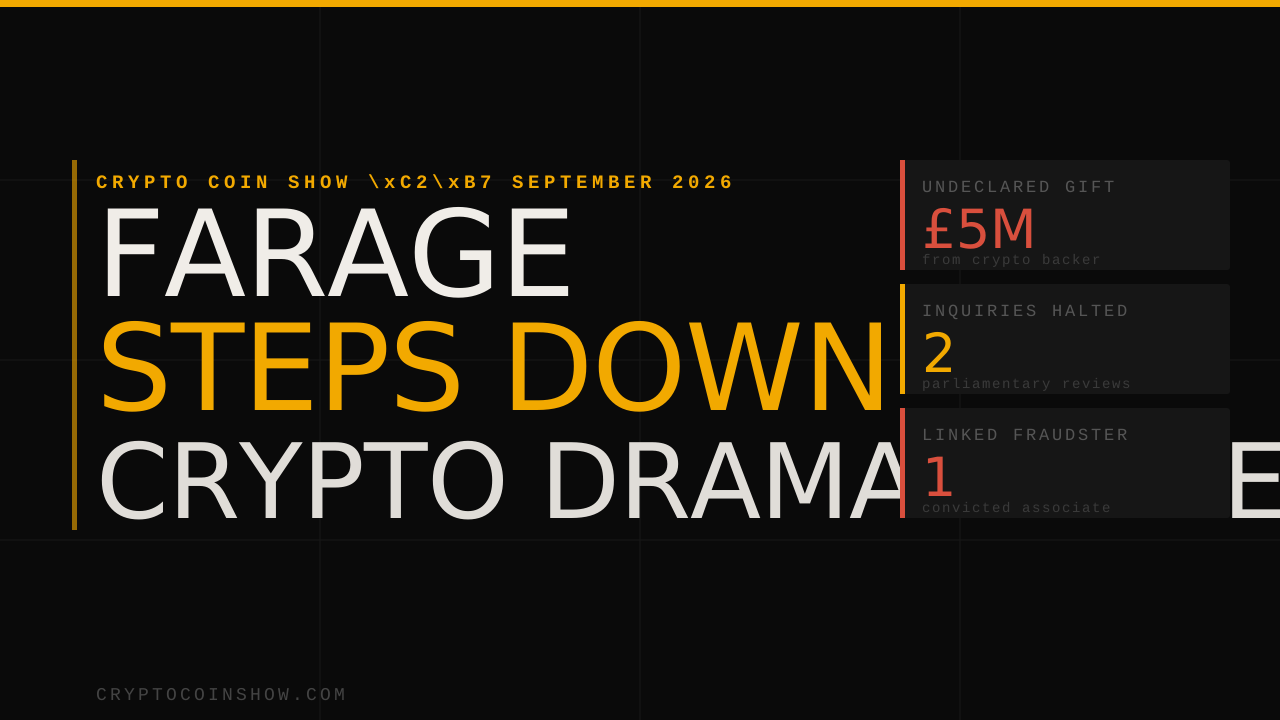
- Farage received a £5 million personal gift from Bitfinex and Tether backer Christopher Harborne that he did not register before the July 2024 election.
- A second inquiry concerns George Cottrell, a convicted fraudster with ties to crypto gambling, who allegedly funded Farage’s security, staff, and accommodation exceeding the £300 disclosure threshold.
- Farage owns a 6.31% stake in Stack BTC Plc, a UK-listed Bitcoin treasury company, making him the first sitting UK party leader to publicly hold Bitcoin.
- £5M Personal gift from crypto-linked donor undeclared before election
- 6.31% Stake in Bitcoin treasury firm acquired March 2024
- £300 Parliamentary disclosure threshold Farage allegedly exceeded via Cottrell
Nigel Farage announced his resignation as Member of Parliament for Clacton-on-Sea on Tuesday and immediately declared his intention to contest the resulting by-election, a tactical move that pauses two active Parliamentary standards inquiries into undeclared financial gifts from cryptocurrency-linked donors.
The Reform UK leader framed the decision as a confrontation between “the people versus the establishment,” claiming vindication and denying any breach of parliamentary rules. His departure freezes proceedings that had begun examining both the source and scale of financial support he received from prominent figures in the digital asset ecosystem before his election in July 2024.
Harborne’s £5 Million Gift and Bitfinex Ownership Trigger First Inquiry
The Parliamentary Commissioner for Standards opened an investigation into Farage’s failure to declare a £5 million personal gift from Christopher Harborne, a billionaire currently based in Thailand who holds approximately 12% of Bitfinex and is recognized as an early financial backer of Tether, the company behind the USDT stablecoin.
Farage’s position is that the money constituted a personal gift for private security and therefore fell outside the category of financial support that MPs are required to register under parliamentary rules. That distinction hinges on whether the gift relates to the recipient’s political activity or functions as a purely private transaction between individuals.
Harborne’s substantial ownership stake in Bitfinex and his connection to Tether create a direct link between the undeclared transfer and the cryptocurrency industry, establishing a pattern of financial ties that may concern regulators monitoring political influence in digital asset markets.
The size of the gift, £5 million, or approximately $6.7 million, exceeds typical parliamentary disclosures by orders of magnitude, even if Farage’s legal advisers concluded it did not require registration.
For institutional investors and compliance officers at crypto firms, the case illustrates the regulatory risk of supporting political figures whose positions align with industry interests: such donations can trigger formal investigation regardless of whether they technically violate existing rules.
Cottrell’s Undeclared Support Reveals Ties to Crypto Gambling and Fraud History
The second inquiry, confirmed on Tuesday, concerns George Cottrell, described as a longtime friend of Farage who provided undisclosed funding for the politician’s private security, drivers, social media staff, and accommodation in the 12 months preceding the July 2024 election.
Cottrell is a convicted fraudster: he served eight months in a US federal prison after pleading guilty to wire fraud following a 2016 arrest at Chicago’s O’Hare International Airport, where he was traveling alongside Farage.
Parliamentary rules require MPs to register benefits exceeding £300 when they relate to political activity, a threshold Farage’s declared expenses appear to have undershot significantly.
Records show Farage disclosed only a £9,253 trip to Belgium and a £15,276 flight as funded by Cottrell, omitting registration of the broader support package despite Commons rules requiring disclosure of accommodation, staff, and security arrangements that exceeded that monetary floor.
Cottrell has also been linked to Tether.bet, an offshore bookmaker accepting wagers in both cash and USDT, creating a second connection between an undeclared financial supporter and the cryptocurrency ecosystem.
A spokesperson for Farage rejected the reporting as “baseless and contrived,” arguing that Cottrell’s support predated his active involvement in politics, a claim the inquiry is designed to evaluate.
Bitcoin Stake and Crypto Deregulation Platform Raise Market Abuse Questions
In March 2024, Farage acquired a 6.31% stake in Stack BTC Plc, a UK-listed Bitcoin treasury company, purchasing approximately £2 million in shares through his investment vehicle Thorn In The Side Ltd.
The acquisition made him the first sitting leader of a UK political party to publicly hold Bitcoin, signaling both a personal conviction in the asset class and a willingness to tie his political profile to digital asset price performance.
Farage subsequently promoted a platform directly aligned with cryptocurrency interests: Reform UK published a draft bill proposing deregulation of crypto markets and cuts to taxes on digital asset transactions.
That political positioning created grounds for market abuse concerns.
In April, Liberal Democrat deputy leader Daisy Cooper formally asked the Financial Conduct Authority to examine whether Farage’s public promotion of digital assets while holding a substantial Bitcoin treasury stake constitutes market abuse, specifically, whether his statements about digital assets were designed to or likely to manipulate the market in his favor.
The FCA has not disclosed whether it opened an investigation or what threshold it applies to such referrals. Farage has separately floated proposals for a Bank of England Bitcoin reserve and a capital gains tax cut on crypto transactions, both measures that would directly benefit holders and the broader industry.
This will be a people versus the establishment by-election. The people of Clacton should be the judges of my actions.
Nigel Farage, Reform UK Leader
By-Election Halts Inquiries and Reshapes Timeline for Accountability
By resigning and forcing a by-election, Farage has triggered parliamentary procedures that effectively pause both standards inquiries. When an MP steps down, the seat becomes vacant and standards investigations typically suspend pending the outcome of the resulting election.
If Farage wins the by-election, he returns as an MP and investigations may resume; if he loses, his loss of parliamentary status could moot certain inquiries or alter their scope. The tactic amounts to a reset that delays formal findings on the undeclared gifts and potentially shifts the burden of proof or political calculation.
Farage has insisted he followed parliamentary rules on legal advice and broke no law, framing the inquiries as politically motivated harassment rather than legitimate oversight of disclosure standards.
For institutional crypto investors and compliance professionals, the unresolved questions carry material implications: whether undeclared gifts from crypto-linked donors to political figures constitute regulatory violations, whether the FCA will pursue market abuse allegations against sitting politicians holding substantial digital asset stakes, and what precedent this case sets for disclosure obligations involving cryptocurrency backers.
The by-election outcome will determine whether both inquiries proceed, are shelved, or are redefined based on Farage’s parliamentary status. Institutional observers should monitor the FCA’s response to Cooper’s market abuse referral, the Parliamentary Commissioner’s timeline for resuming the standards inquiries post-election, and any regulatory guidance the UK financial authorities issue regarding conflicts of interest for politicians holding material digital asset positions.