
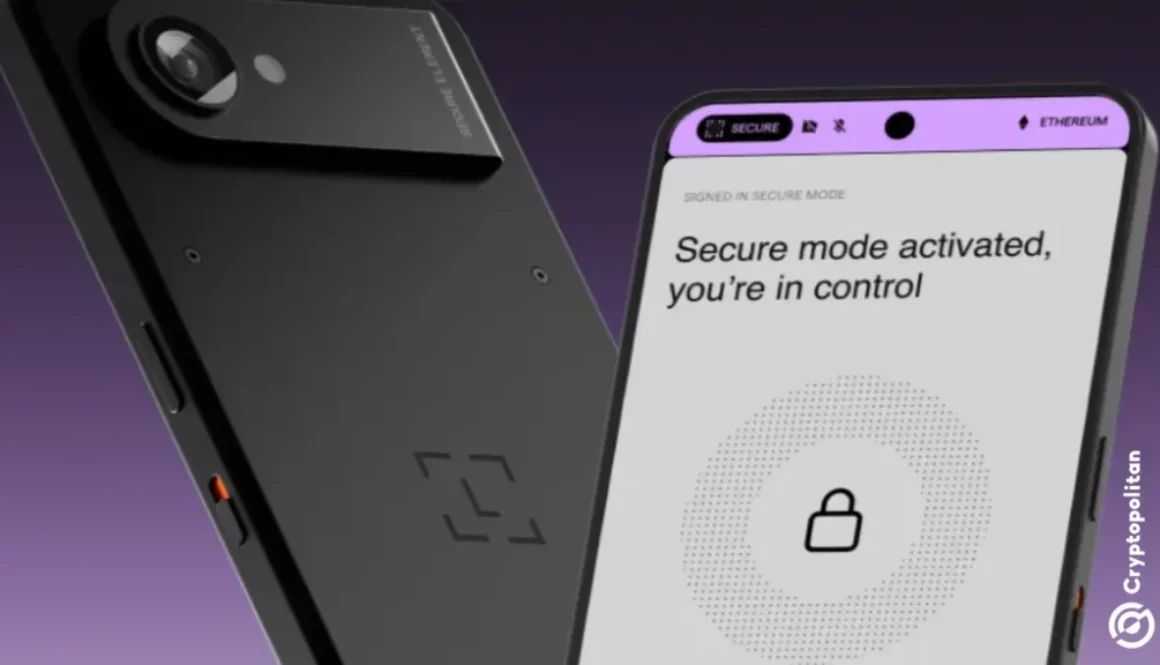
Ledger delays tamper-proof wallet until 2027, leaves users exposed after $86M breach
Ledger is shipping Atom, a hardware wallet combining everyday smartphone features with dedicated security hardware, in summer 2027 at $849, nearly double current device prices and two years away, leaving millions of existing Ledger users exposed to tamper attacks in the interim. The delay underscores persistent supply-chain challenges and leaves the installed base of Nano, Flex and Stax units without anti-tampering protections that could have prevented the $86 million CryptoBilis breach.
- Ledger Atom will cost $899 at launch, more than double the $69, $399 range of current Nano and Stax units, with availability delayed until summer 2027.
- The device adds a secure screen, dedicated Ledger OS chip, hardware camera and microphone kill-switch, and tamper sensors linked to a separate battery to detect physical intrusion.
- Existing Ledger hardware in circulation will receive no anti-tampering retrofit; reseller controls and procedural checks are the interim remedy for a supply-chain vulnerability.
- $86M Lost by customers through CryptoBilis implant attack on Ledger Nano X units.
- Summer 2027 Earliest availability window for Atom following certification, pending manufacturing and regulatory approval.
- $849 Atom’s launch price compared to current Nano S at $69 and Stax at $399.
Ledger introduced Atom at its Op3n event in Paris on Thursday, October 15, 2026, positioning the device as a response to a hardware implant attack that drained approximately $86 million from customers’ wallets over the past month. The incident involved counterfeit Ledger Nano X units sold through CryptoBilis, a Southeast Asian reseller, each containing a hidden chip that captured the 24-word recovery phrase during wallet initialization and transmitted it over LTE. According to reporting on the announcement, Atom marks Ledger’s shift from crypto-only security to a broader device protecting identity, messaging, and AI agent approvals, a category expansion that delays the tamper-specific fix for years.
Atom adds secure screen and tamper sensors, but requires certification Ledger does not control
Ledger’s announcement describes Atom as combining a secure chip running Ledger OS with a dedicated secure display, separate from the main processor, ensuring that sensitive transaction approvals cannot be intercepted by malware on the device’s Android-based everyday interface. The device employs a hardware switch that physically disconnects the camera and microphone, preventing remote surveillance even if the processor is compromised. Tamper detection includes sealed back-cover links, monitoring sensors, and a separate battery powering the security perimeter when the device is powered down.
Ledger’s Donjon security team stated that the CryptoBilis implant did not trigger the company’s existing Genuine Check because the chip physically resided outside the Secure Element and did not alter the signing process. Atom’s “Core Protection feature will explicitly block screen reader implants,” according to a company spokesperson cited in the original reporting, by isolating the display circuit and tamper sensors in a monitored enclosure inaccessible to external drilling or forced opening.
Atom remains classified as “pending certification,” meaning Ledger cannot guarantee the summer 2027 timeline.
Ledger’s history of delays raises questions about 2027 availability
The company announced the Stax at Op3n in 2022, promising March 2023 shipment, but manufacturing constraints postponed pre-orders until 2024. Ledger has not disclosed when Atom design work began or when certification bodies will review the device, both variables outside the company’s control. A two-year gap between announcement and availability is unusually long in the hardware wallet space.
The $849 price point may also limit institutional adoption, as it exceeds the cost of most institutional custody solutions and multi-sig setups that do not require dedicated hardware.
Procedural stopgaps leave millions of existing Ledger units without technical defense
Ledger has instructed authorized resellers to store devices in secure inventory and hand them out only at point of sale, and has reiterated a ban on the resale of returned units in any form. The company also asked resellers to report unusual customer complaints about product condition. These controls address supply-chain opacity but do not protect devices already shipped or in reseller warehouses. The Nano X units compromised in the CryptoBilis attack had already passed through distribution channels before the implant was discovered.
Solana Mobile announced separately that Atom will be sold exclusively through Ledger’s website, removing reseller channels and reducing exposure to unauthorized distribution. For customers holding existing Nano, Flex, or Stax devices, no retrofit or firmware update can add physical tamper detection.
The company has offered no technical pathway to retrofit Secure Element isolation or tamper sensors to existing hardware, making the gap between current exposure and Atom’s launch a material liability for holders of high-value portfolios.
The CCS read. Atom’s feature set represents genuine innovation, dedicated secure display, hardware mic-kill, and post-quantum crypto support address real attack vectors. But the 2027 launch and $849 price tag mean institutional investors and high-net-worth users face an 18-month window of unpatched risk. The procedural-only interim fix (reseller controls, inventory segregation) works only if distribution chains comply and detect tampering before sale. Ledger’s track record suggests the 2027 target may slip further. Custody providers and ETF issuers should model inventory refresh cycles independent of Atom’s availability.
The certification timeline is the critical variable: Ledger has not identified which regulatory bodies must approve Atom or disclosed their review periods. Institutional investors should track whether European or U.S. regulatory feedback accelerates or delays the summer 2027 window, and whether Ledger updates guidance before mid-2027 as manufacturing challenges surface, as they did with Stax.