
Power dispute puts BitFuFu’s $4.1 million Ethiopia mine deal at risk
BitFuFu’s $4.1 million commitment to an 80-megawatt Ethiopian bitcoin mine faces collapse after the site’s power supplier issued a 10-day payment ultimatum to the target company on September 28, threatening asset seizure. The Nasdaq-listed miner now evaluates whether to abandon the deal, pursue arbitration, or attempt recovery of cash and hardware already deployed.
- BitFuFu has paid $4.1 million and installed 13,700 Bitmain Antminer S19 machines worth $1.74 million at the Ethiopian facility as of September 30.
- The power supplier’s 10-day notice of September 28 threatened collateral seizure if disputed payments went unpaid; as of the October 13 filing, the money had not been paid.
- BitFuFu is not party to the power contract dispute but faces material risk the acquisition, agreed in October 2024, will not close at current terms or at all.
- 80 MW Planned bitcoin mining facility capacity in Ethiopia under acquisition.
- $4.1M Cash already paid by BitFuFu to the sellers, now at risk of forfeiture.
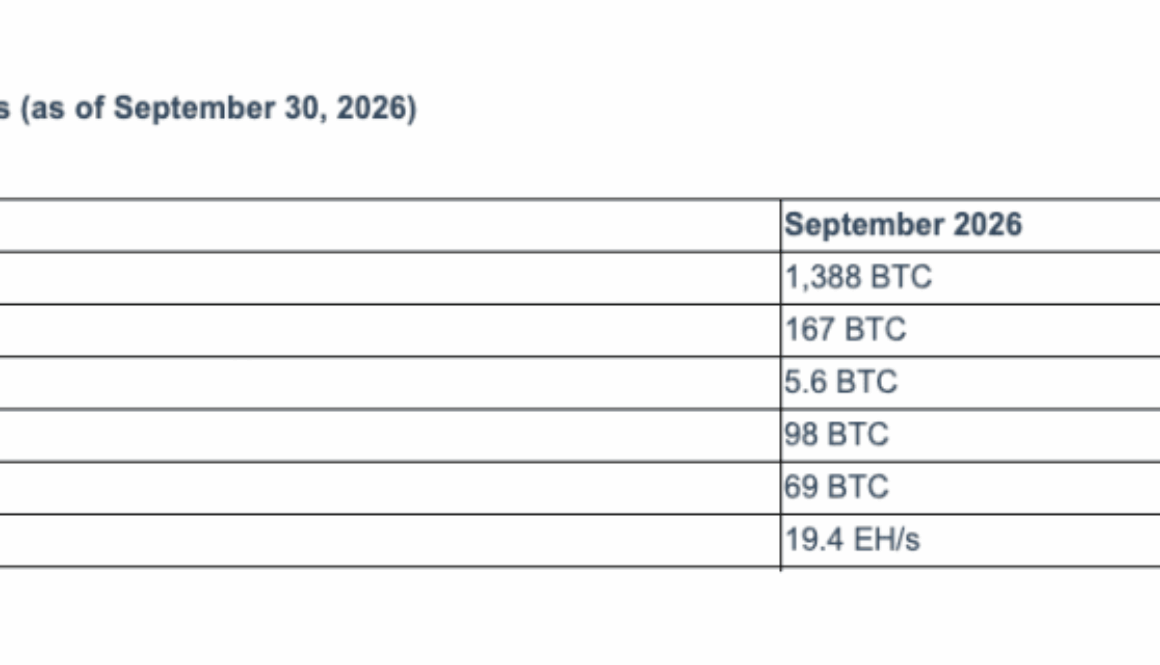
- 69 BTC September cloud mining output, down 20 percent from 86 BTC in August.
BitFuFu disclosed a threat to one of its largest infrastructure bets in a Form 6-K filed October 13, first reported by Cryptopolitan, exposing structural risk in the deal structure itself: the Singapore miner holds no direct contractual relationship with the power supplier, leaving it hostage to disputes between the Ethiopian operator and its utilities partner. The miner’s subsidiary Finfront Holding Company agreed to acquire a majority stake in the Ethiopian site operator on October 22, 2024, but the deal never closed. The target company, not BitFuFu, holds the power supply contract and owes the disputed amounts. When the supplier issued a 10-day seizure notice on September 28, BitFuFu had already deployed capital and mining hardware it could lose if the power dispute deteriorates further.
BitFuFu explores termination, arbitration and clawback options after deal halts
The miner is now reviewing “contractual rights and available remedies” that include terminating the acquisition agreement entirely, pursuing arbitration against the sellers, attempting to claw back the $4.1 million in cash payments, or removing the 13,700 machines it has installed.
The Antminer S19 units produce about 1.57 exahashes per second and carried a net book value of $1.74 million as of September 30. BitFuFu stated it sees “a material risk” that the deal will not close at current terms or at all, signaling low confidence in resolution on its original timeline.
Chairman and CEO Leo Lu sought to minimize concern about the exposure.
The Ethiopian investment is “a limited portion of our overall asset base,” and “we believe this event’s incremental impact on the Company will be minimal,”
Leo Lu, Chairman and CEO Lu also noted the facility had already been curtailed by local power limits, with minimal further impact expected on overall bitcoin output. Yet the timing undercuts that message: the acquisition has consumed more than four months without closing, leaving capital and machines stranded while a dispute involving a third party, the power supplier, now threatens to consume both.
Cloud mining revenue fell 20 percent as September hashrate declined across the fleet
BitFuFu’s September production and operational metrics reflect stress beyond the Ethiopian deal. Total mining output reached 167 BTC in September, down 4 percent from 174 BTC in August, according to the company’s operational update. Self-mining rose to 98 BTC from 88 BTC, but cloud mining, where customers rent managed hashrate and account for 73.7 percent of revenue, collapsed to 69 BTC from 86 BTC, a 20 percent drop month-over-month.
Managed hashrate declined to 19.4 exahashes per second from 20.6, and total power capacity dropped to 324 megawatts from 344 megawatts.
BitFuFu’s stock reflected the strain: FUFU closed at $1.31 on Thursday against $2.64 at the end of 2025, a 50 percent decline. The company reported $475.8 million in revenue for 2025, up only 2.7 percent year-over-year, and swung to a net loss of $57.4 million, dragged down by a $32.8 million fair-value loss on bitcoin holdings.
That context makes the Ethiopia deal default more acute: the miner is already struggling to grow revenue and cannot absorb a $4.1 million loss cleanly.
The CCS read. We note BitFuFu’s exposure here is not primarily a bitcoin price or difficulty risk but a structural deal risk. Had BitFuFu held the power contract directly or negotiated joint liability, it could have acted as creditor or paid the disputed sums itself. Instead, it funded a seller’s obligation while remaining outside the contract, converting its capital into leverage held by a third party. For institutional custody and hardware buyers, this illustrates the importance of first-lien security and direct contractual standing, a lesson major miners now apply to custody arrangements.
BitFuFu’s next move is expected within weeks: the company will either move to terminate the acquisition and pursue recovery, enter arbitration with the sellers, or attempt a direct settlement with the Ethiopian power supplier. The October 13 filing disclosed the crisis but not BitFuFu’s chosen path forward; a subsequent filing or earnings call will likely reveal whether Leo Lu pursues a cash recovery, cuts the hardware loss, or escalates to formal legal process.