
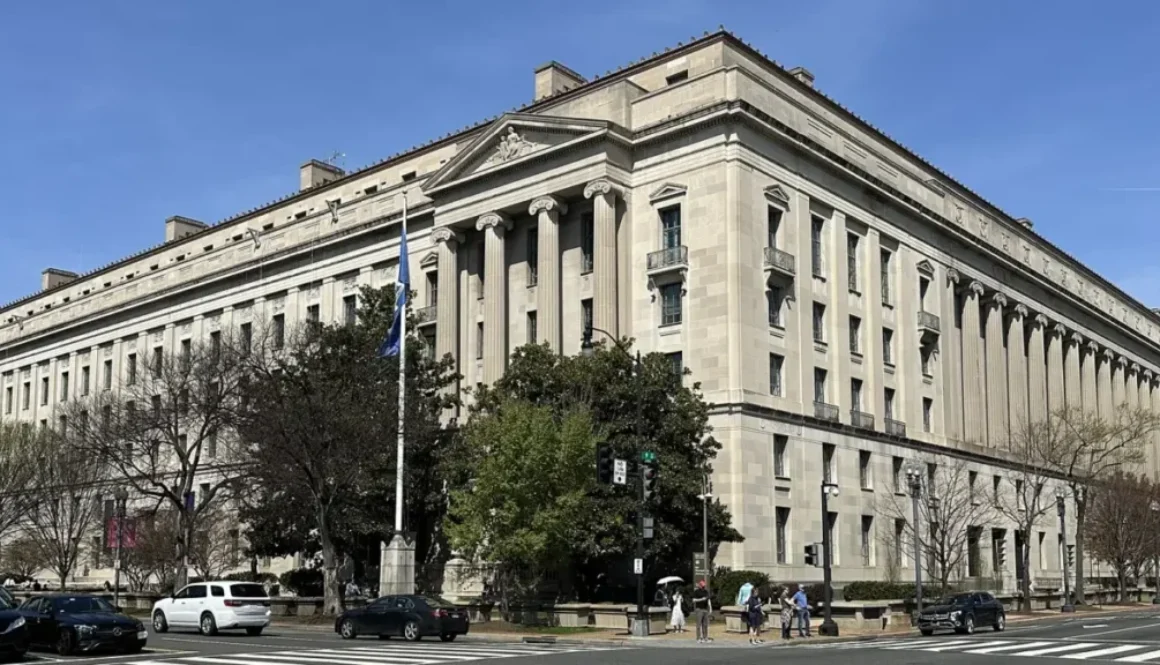
Three Mexican nationals plead guilty to laundering drug proceeds via crypto and wire
Three Mexican nationals pleaded guilty to operating a network that collected millions of dollars in U.S. drug proceeds and moved them to Mexico via cryptocurrency and wire transfers, the Department of Justice announced Thursday, November 19. The case signals how criminal organizations are embedding cryptocurrency transfers into traditional bulk cash smuggling operations to move narcotics profits across borders.
- Eliomar Segura Torres, 37, contracted money brokers to pick up drug proceeds in U.S. cities including Lexington, Kentucky.
- Juan Carlos Michel Martinez, 41, and Manuel Ignacio Correa, 45, executed pickups and arranged cryptocurrency or wire transfers in exchange for a commission on laundered amounts.
- All three plead guilty to money laundering conspiracy and face maximum 20-year sentences; Segura Torres and Michel Martinez are scheduled for sentencing Feb. 18, 2027; Correa on March 4, 2027.
- $20 years Maximum prison term for each defendant under applicable sentencing law
- 3 defendants Pleaded guilty to money laundering conspiracy charges
- 7 cities U.S. DEA field divisions involved in investigation and prosecution
According to the Justice Department release, Segura Torres “offered contracts to ‘money brokers’ to pick-up drug proceeds in U.S. cities.” The proceeds came from kilogram sales of fentanyl, cocaine, heroin, and methamphetamine. Michel Martinez and Correa, working as money brokers, “provided instructions to transfer those funds via cryptocurrency or wire transfer” and earned commissions based on the percentage of money they successfully laundered.
Crypto integrated into bulk cash smuggling pipeline
The case reveals a hybrid operation where cryptocurrency and wire transfers serve as exit rails for bulk cash collected across multiple U.S. cities. Rather than moving all proceeds as physical cash across the border, the network converted pickups into digital transfers, reducing the risk of seizure at ports of entry and accelerating the speed of fund movement to Mexico.
The document does not disclose the total dollar amount laundered, the volume of transactions, the specific cryptocurrencies used, or whether the transfers moved through regulated exchanges or peer-to-peer channels.
It also does not name or charge any financial institutions, payment processors, or cryptocurrency platforms that may have facilitated the transfers, leaving unclear whether compliance systems detected the activity or whether the accounts were detected and seized.
DEA-led interagency effort targets cartel financial infrastructure
The DEA Detroit Field Division and IRS Criminal Investigation Detroit led the investigation with support from DEA offices in Austin, Lexington, Denver, Houston, Atlanta, Chicago, Tulsa, and Youngstown, Ohio, plus DEA offices in Mexico. The prosecution is part of the Homeland Security Task Force initiative established by Executive Order 14159.
MNF’s mission is to take the profit out of crime, eliminate drug cartels, and protect the U.S. financial system.
Department of Justice release
Sentencing dates set for early 2027
Segura Torres and Michel Martinez face sentencing on Feb. 18, 2027; Correa on March 4, 2027.
The CCS read. This prosecution shows crypto is now a standard tool in organized money laundering, not an edge case. The network did not abandon wire transfers or bulk cash pickup; they layered crypto into an existing smuggling operation. That means detection requires real-time monitoring of both on-chain activity and cross-border wire patterns, the two systems law enforcement has historically tracked separately. The bigger risk for holders and exchanges is guilt-by-proximity: regulators are now incentivized to freeze accounts at exchanges that touch any transfer linked to these rings, because the criminal liability for financial facilitators is severe and the political pressure is high.
Watch for asset forfeiture actions naming exchanges, wallets, or financial institutions; the Justice Department’s Money Laundering and Forfeiture Section has explicit authority to pursue civil recovery, and the document leaves open which assets were seized or remain subject to forfeit.