Trezor warns CryptoBilis buyers to move funds after report of implanted hardware
Trezor has told anyone who bought a device from the reseller CryptoBilis since March 2026 to move their funds to a wallet with a new seed, before it has examined the suspect unit. For institutions that keep keys on hardware wallets, the case shows that a device from an authorized reseller can itself be the weak link.
- Trezor is treating as credible a report of a cellular implant inside a Safe 5.
- Buyers from CryptoBilis since March 2026 are eligible for a replacement device or a voucher from Trezor.
- Lab examination awaits the device’s arrival; Trezor reports no stolen funds and no involvement of other resellers.
- Mar 2026 Earliest purchase date covered by Trezor’s warning, versus CryptoBilis exiting in October
- Oct 28 Date of Trezor’s disclosure, 19 days after Ledger’s October 9 probe
- ~$90M Estimated losses tied to tampered Ledger devices sold through CryptoBilis (trackers range $72M to $103M; Ledger has not confirmed a total)
Trezor said in a security notice that it received a responsible disclosure report on Wednesday (October 28, 2026) alleging a hardware implant in a Trezor Safe 5 bought through CryptoBilis. The reseller was an official Trezor partner in Southeast Asia until October 2026. Trezor has not yet received the device, but it is advising affected buyers to act now rather than wait for lab results.
Trezor Tells CryptoBilis Buyers to Rotate Seeds Before the Lab Confirms Anything
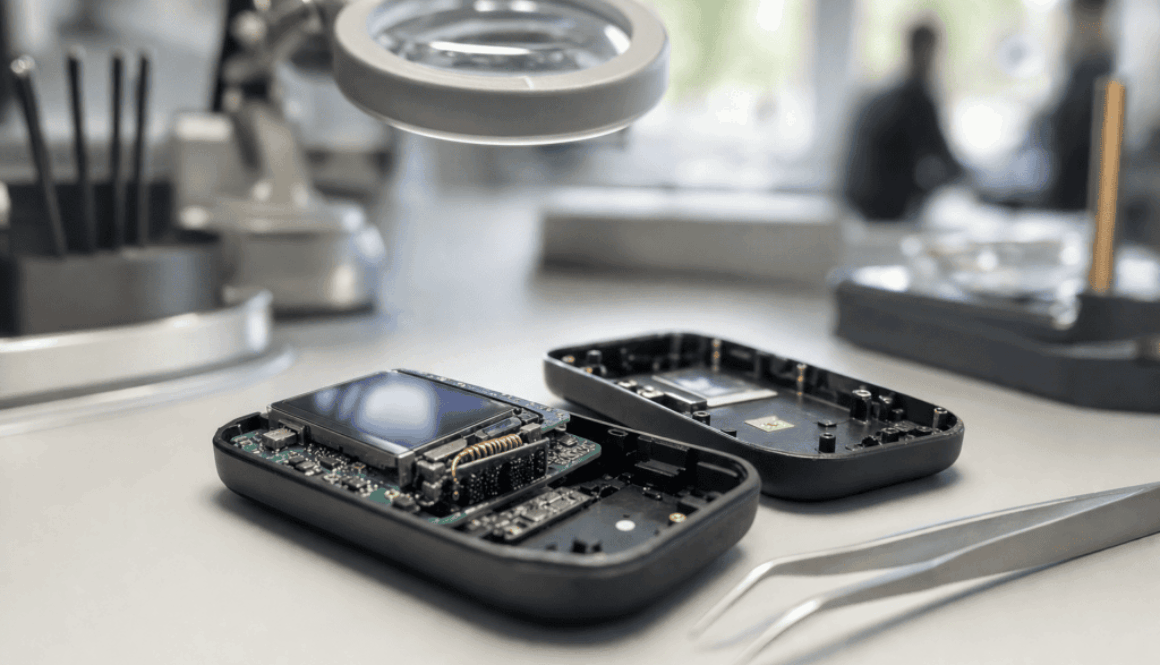
The customer, based in Indonesia, bought the Safe 5 through Tokopedia in August 2026. According to the report, an extra circuit board sits between the main board and the screen, carrying a cellular module and an antenna. Trezor says the board reads whatever the screen displays, including the wallet backup, and sends it over a mobile network whenever the device is plugged in.
Trezor stresses it has not verified this itself. It has photos and has interviewed the reporter by video call, and said what it saw looked sophisticated enough to warrant an immediate warning. Waiting for laboratory confirmation, it said, would leave CryptoBilis buyers exposed in the meantime.
Buyers who have not set up a device should leave it unused and never enter an existing backup on it.
Trezor also warned that scammers will likely exploit the incident with fake emails, physical letters and phone calls.
Ledger Confirmed Tampering Through the Same Reseller, With Losses Estimated Near $90 Million
The Trezor warning follows an earlier incident. On Friday (October 9, 2026), Ledger began investigating fund losses among customers who bought from CryptoBilis, its authorized reseller in Southeast Asia, and later confirmed that some devices had been physically tampered with in a supply chain attack. Trezor removed CryptoBilis from its seller list on October 11, 2026.
Losses from the Ledger incident are large. Research from two independent investigators put them between $72 million and $86 million, according to Cointelegraph, while on-chain analytics firm Bitquery estimated $86 million to $103 million, mostly in USDT on Tron, according to Crypto-Economy. Ledger has not confirmed a total.
Separately, the Singapore Police Force reported that users lost around $3.5 million after using tampered Ledger devices, according to CryptoPotato. Police confirmed at least two cases since September 10. Investigators found that some wallets sold through local retail stores held malicious components able to steal recovery phrases or private keys.
The Singapore cases involve Ledger hardware and retail channels, and nothing in the sources ties them to CryptoBilis.
Trezor Prescribes a New Seed, Not a New Device, as the Fix
The distinction matters in practice. The standard response to a suspect hardware wallet is to restore its backup onto a fresh device. Trezor says that does not work here, because a backup generated on a tampered unit may already have been read and transmitted.
That raises the operational cost for custodians and treasuries. Funds must move to a seed created on clean hardware, and Trezor accepts that a software wallet or a familiar exchange can serve as a stopgap. Exchange custody carries its own risk, as our coverage of the Binance withdrawal halt after a hack showed.
Trezor does not know who is behind the attack. The notice does not explain why March 2026 was chosen as the cutoff, or how many CryptoBilis units were modified.
Trezor Will Update Its Notice Once the Device Reaches Its Lab
Trezor is arranging to have the device sent to its laboratory. It said it will update the notice if any CryptoBilis buyer reports a loss. So far none has, and the reporting customer had moved his funds off the device before finding the implant.
Trezor said it has no reports involving any other reseller, and will inform customers if that changes.
The CCS read. We think the real exposure is procurement, not the devices. Any fund that bought hardware through a third-party reseller now has a reason to document where each unit came from and to treat sourcing as a custody control. Trezor’s decision to act before lab confirmation sets a standard that buyers should expect from every wallet maker.
The next marker is the device’s arrival at Trezor’s lab, which will show whether the implant description holds up. Trezor has committed to updating its notice if a loss is reported or another reseller is implicated. Whether it can name who built the implant remains an open question.