El Salvador halted Bitcoin purchases in February while claiming to continue daily buys
El Salvador’s government secretly stopped buying Bitcoin in February 2025 to comply with IMF loan conditions while publicly claiming to continue daily purchases, raising questions about whether state-backed crypto adoption can survive economic pressure. The $1.4 billion IMF deal reveals the tension between national Bitcoin branding and the fiscal discipline required by international creditors.
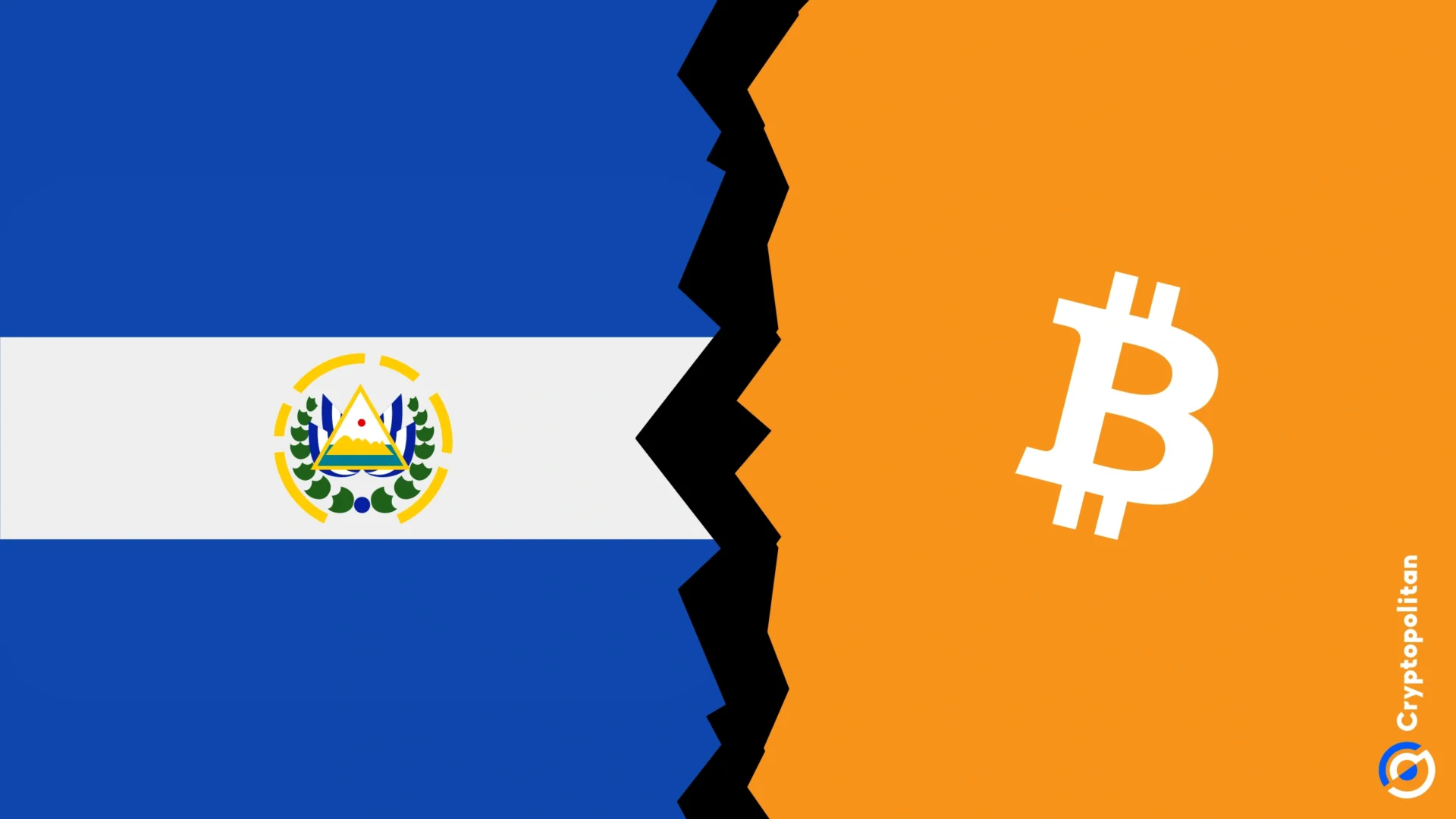
- El Salvador stopped buying Bitcoin in February 2025, weeks after securing a $1.4 billion IMF loan in December 2024 with strict conditions.
- The government told the IMF it had halted purchases but continued posting on social media claiming daily Bitcoin buys through mid-2025.
- An IMF review released in July 2025 exposed the discrepancy, stating the country’s Bitcoin reserve remained unchanged since February.
- $1.4B IMF loan El Salvador secured in December 2024 requiring Bitcoin purchase halt
- February 2025 when El Salvador’s government stopped acquiring new Bitcoin holdings
- $2B+ additional funding from World Bank and IDB unlocked through IMF compliance
El Salvador’s pivot from Bitcoin advocate to IMF debtor exposes the gap between national crypto branding and fiscal reality. President Nayib Bukele’s administration, which in November 2022 began claiming daily Bitcoin purchases as part of its digital agenda, quietly abandoned that commitment within weeks of finalizing IMF negotiations. The contradiction surfaced when the IMF’s July 2025 review revealed the country had made no new Bitcoin acquisitions since February, undercutting years of public statements about the government’s commitment to the asset.
El Salvador stopped Bitcoin buys to meet IMF loan requirements imposed in December 2024
El Salvador entered 2024 facing mounting debt, a widening budget deficit, and eroding credibility with international lenders. The Chivo Wallet, the government’s signature cryptocurrency platform, had stalled, and tourism gains failed to offset structural fiscal problems.
President Bukele, who had positioned the country as a Bitcoin pioneer since 2021, found himself without alternative funding sources.
In December 2024, the IMF extended a 40-month, $1.4 billion loan contingent on sweeping policy reversals. El Salvador agreed to end mandatory Bitcoin adoption, make the asset optional for merchants, reduce government control of Chivo, and halt new purchases.
The government accepted, securing not only IMF funds but an additional $2 billion from the World Bank and Inter-American Development Bank by demonstrating fiscal discipline. Yet Bukele’s team continued telling the public it was buying Bitcoin daily.
Government disclosed halt to IMF privately while public claims continued until July 2025
El Salvador’s finance minister and central bank president informed the IMF in early 2025 that Bitcoin purchases had stopped in February, confirming compliance with loan conditions in official documents. Simultaneously, the National Bitcoin Office and President Bukele maintained a social media campaign suggesting ongoing daily acquisitions.
The IMF’s July 2025 review eliminated plausible deniability. A footnote revealed that increases in El Salvador’s reported Bitcoin holdings stemmed from wallet transfers between government accounts, not new purchases or market appreciation. The signed letter stated that “the stock of Bitcoins held by the public sector remains unchanged” since the IMF agreement took effect.
The discrepancy between private compliance and public statements lasted roughly five months before becoming public.
El Salvador’s double strategy prioritized image preservation and economic survival over transparency
The government faced conflicting pressures: IMF creditors required Bitcoin policy reversal, while Bukele’s political brand depended on being a crypto pioneer.
Admitting the halt would have damaged that brand, signaling retreat to both Bitcoin supporters and domestic voters who had heard years of rhetoric about Bitcoin City, volcano bonds, and daily acquisitions. Maintaining the public narrative while privately complying with IMF terms allowed the administration to access desperately needed capital without immediately fracturing its political coalition.
For roughly five months, this strategy succeeded, the IMF got compliance, international creditors were reassured, and the local Bitcoin narrative remained intact for supporters.
That equilibrium collapsed when the IMF disclosed the truth in July 2025, revealing the gap between official claims and actual policy.
El Salvador’s experience warns other developing nations about crypto adoption without fiscal foundations
El Salvador’s retreat raises a structural question for other developing economies in Africa, Southeast Asia, and Latin America considering Bitcoin adoption. The country’s experiment succeeded as a branding tool and marketing exercise, it drew media attention, boosted presidential popularity, and created an image of technological leadership. It failed as a solution to debt and currency instability.
Bitcoin’s volatility and the absence of transparent institutional frameworks made the policy unsustainable once real fiscal pressure arrived. The asset did not fail; the lack of credible economic planning did.
El Salvador remains burdened by the same debt and foreign dependence it sought to escape through Bitcoin, now compounded by the credibility damage of having publicly misrepresented its commitment to an asset class it no longer supports.
The CCS read. We see El Salvador’s pivot not as Bitcoin failure but as evidence that national crypto adoption without fiscal discipline is a political tool masquerading as economic policy. The IMF’s leverage exposed what Bukele’s messaging concealed: countries that adopt Bitcoin to escape dollar dependence still need external capital, and lenders will extract traditional reforms in exchange. This matters to institutional investors evaluating sovereign risk and crypto adoption narratives in emerging markets.
Watch whether other developing nations cite El Salvador’s experience when evaluating their own Bitcoin policies, and whether the IMF’s public disclosure of El Salvador’s false claims prompts the fund to impose stricter oversight of sovereign crypto holdings in future lending agreements.