Ethereum delays Glamsterdam testnet to December 15 over contract compatibility risks
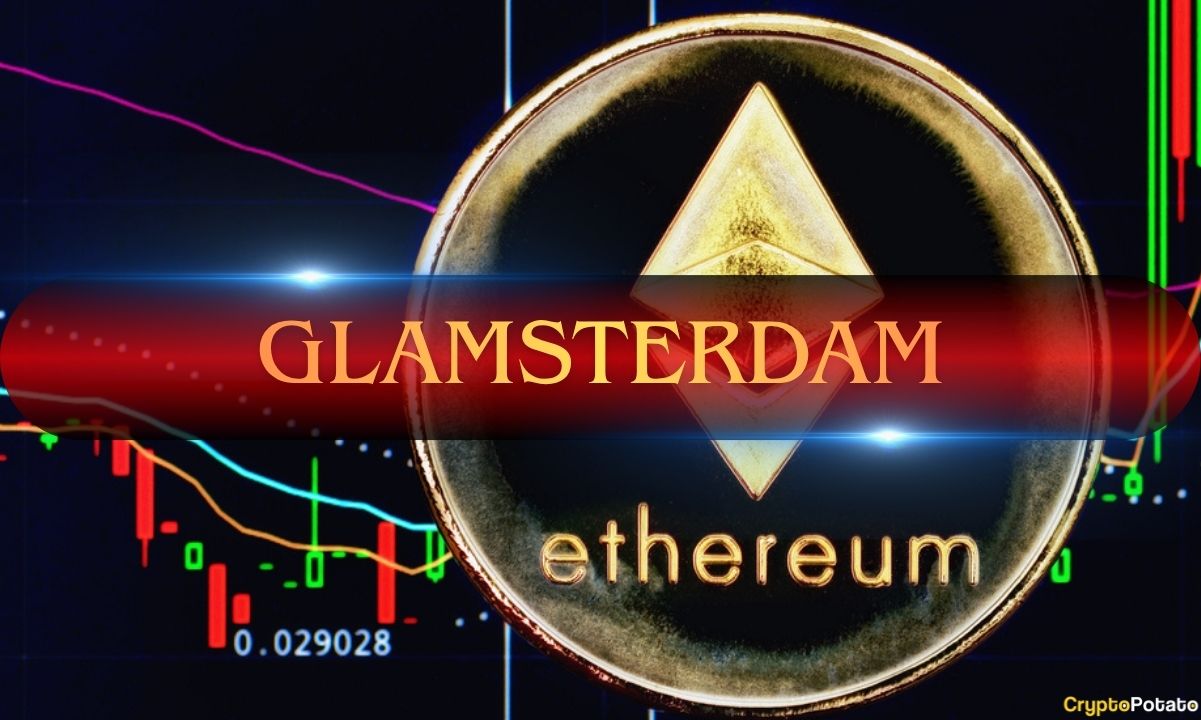
Ethereum’s Glamsterdam upgrade will test on December 15, delayed from October after security concerns over contract compatibility. The testnet date signals institutional stakers and node operators should prepare for mainnet deployment in late January or early February, with significant contract remediation work required before then.
- December 15 testnet activation at Epoch 143616 follows October cancellation due to ChainSecurity flagging smart contract breakage risk.
- EIP-8037 raises storage gas cost for contract creation from 32,000 to 183,600 units, potentially affecting approximately 15,000 existing contracts.
- Developers defer FOCIL decision to next meeting; EthLabs argues quantum security should take priority over transaction inclusion mechanism.
- December 15 Glamsterdam testnet activation date in UTC, delayed from October over contract safety.
- 15,000 existing Ethereum contracts estimated to be affected by EIP-8037 gas cost changes.
- 200 potential problem contracts identified by Ethereum Foundation auditors and researchers.
Ethereum developers have scheduled the Glamsterdam upgrade’s Hoodi testnet activation for December 15 (19:12 UTC) at Epoch 143616, after postponing an earlier test in October when security firm ChainSecurity raised concerns that the upgrade could break deployed smart contracts. Mainnet rollout is now targeted for late January or early February, pushing back the initial timeline. The delay gives development teams and auditors roughly six weeks to identify and remediate contracts that could fail under the new gas pricing rules.
ChainSecurity flagged 15,000 contracts at risk from storage gas increase
The core change driving the delay is EIP-8037, which raises the storage gas cost of creating new contracts from 32,000 to 183,600 units, a 5.7-fold increase. Contracts built to the old fee structure could run out of gas during execution, causing transactions to fail or drain unexpected amounts of value.
Ethereum Foundation developer Marius van der Wijden estimates roughly 15,000 contracts face exposure, while Ethereum Foundation auditors and researchers have pinpointed approximately 200 as critical trouble spots requiring immediate attention.
Developers retained EIP-8037 without major changes despite the risks, voting to proceed during ACDC #192, the core developer call held earlier this month.
The Foundation has set December 15 as a hard deadline for teams to submit critical fixes, with remaining patches due by January 10. This two-stage timeline allows the testnet to run with the most urgent remedies in place, then incorporate additional improvements before mainnet deployment.
Large institutional staking pools and infrastructure providers will need to audit their own contract interactions and those of their users during the testnet window.
FOCIL deferred as EthLabs prioritizes quantum resistance over transaction inclusion
A secondary governance tension has emerged around FOCIL, a transaction inclusion mechanism proposed for Hegotá, the upgrade after Glamsterdam. FOCIL is designed to prevent block builders from excluding transactions, addressing concerns about builder power. However, opposition has grown, and developers have deferred the decision to the next meeting rather than resolving it now.
EthLabs, the Ethereum research organization, argues that quantum security should take precedence. Caspar Schwarz-Schilling of EthLabs stated: “I don’t say this lightly. I deeply care about FOCIL and have strongly advocated for it myself, including for shipping it as early as Glamsterdam. I want FOCIL, or a variant of it, on Ethereum, and I’ll be among the first to push for it once we are pqai.”
EthLabs has shelved its separate proposal to shorten Ethereum’s block times from 12 seconds to 10 seconds, citing the need to focus developer resources on post-quantum cryptography.
The Foundation is separately evaluating Keccak-256 as a potential universal hash function for future cryptographic protections. EthLabs has targeted 2027 for quantum resistance, ahead of previous Foundation timelines, signaling that institutional holders and validators should expect significant protocol changes in the medium term focused on cryptographic durability rather than feature expansion.
The CCS read. We see the testnet delay as a pragmatic choice for large token holders and staking operators: a two-month buffer to validate contract compatibility beats a rushed mainnet and subsequent emergency patches. The deferred FOCIL decision and quantum pivot reflect genuine developer disagreement on priorities, the institution should not expect consensus on transaction inclusion or block times to crystallize quickly.
Watch for the December 15 testnet activation and the volume of contract issues reported in the first week. If auditors surface more than 200 critical incompatibilities, mainnet deployment could slip past early February. The next developer call will also clarify whether FOCIL resurfaces or remains deprioritized through 2027.
From the CCS interview archive
All 1,000+ interviews Why XYO Network sees trustless data as critical for AI and roboticsMarkus Levin, XYO Network · Feb 2026
- Adam Liposky on launching production-ready blockchainsAdam Liposky, Canopy Network · Mar 2026
- How XYO Network is preparing for the DePIN market with a Layer One launchMarkus Levin, XYO Network · Sep 2025