5 US Tech Stocks in Focus as Trump Threatens 100% Digital Tax Tariffs
President Trump’s threat to impose 100% retaliatory tariffs on countries with Digital Services Taxes directly impacts major US tech stocks and signals how trade policy volatility can trigger sudden shifts in both equities and crypto markets. For institutional investors, the outcome will determine whether firms like Apple, Meta, and Microsoft face recurring foreign levies or sustained tariff risk from European retaliation.
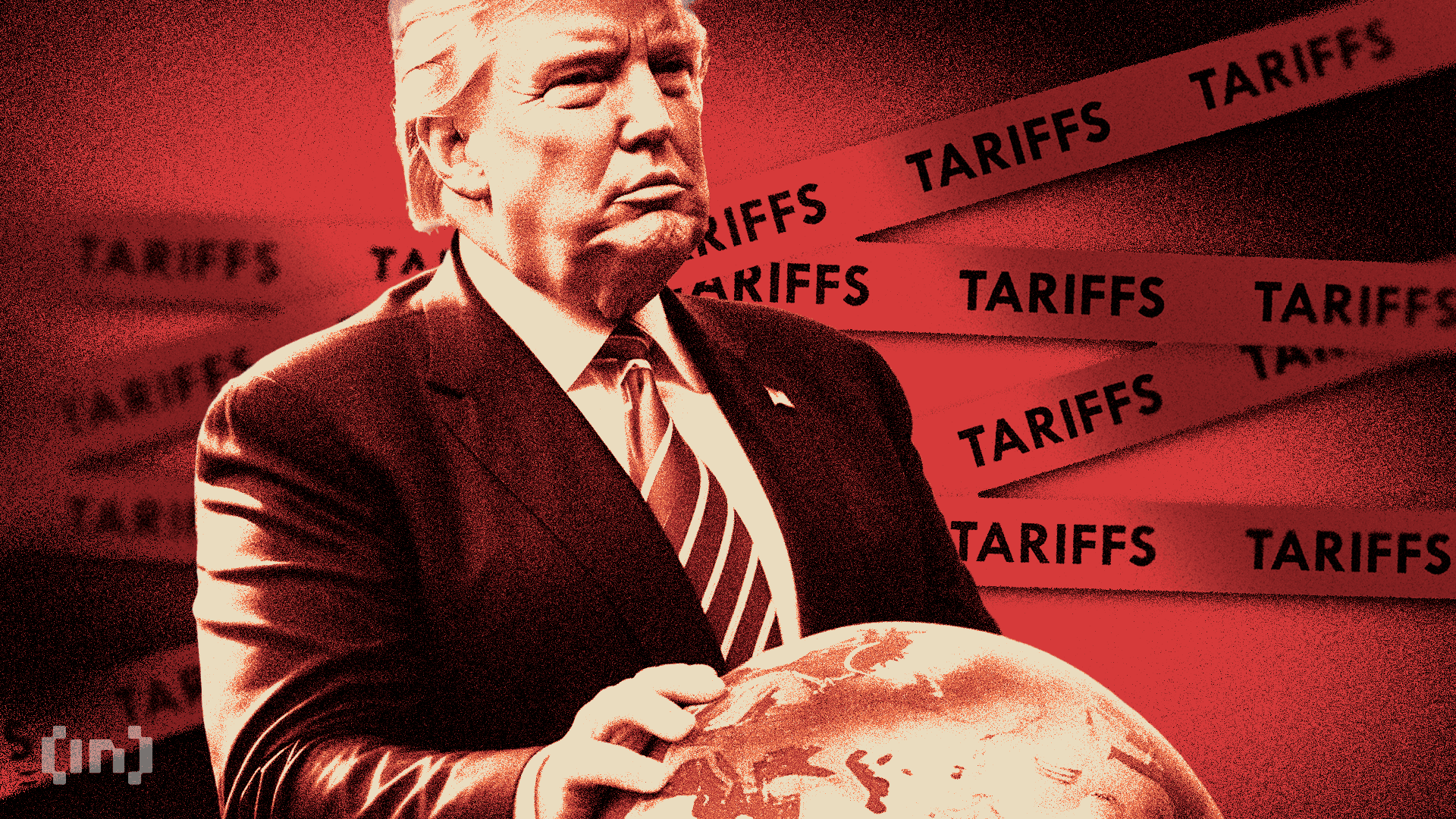
- Trump threatened 100% tariffs on nations imposing Digital Services Taxes, overriding existing trade agreements in Truth Social post.
- France’s 3% Digital Services Tax raised €700 million in 2024, almost entirely from large American technology companies.
- Apple derives roughly $101 billion of $391 billion annual revenue from Europe, creating retaliation exposure if tariffs proceed.
- 100% Threatened tariff rate on goods from countries with Digital Services Taxes targeting US firms
- €700M Revenue France collected from Digital Services Tax in 2024 versus prior-year baseline
- $101B Apple’s European revenue as percentage of $391 billion total fiscal 2024 sales
President Donald Trump has escalated tensions over foreign taxation of American technology companies by threatening immediate 100% tariffs on any nation that maintains a Digital Services Tax, a levy structure now used across Europe to capture revenue from US tech giants operating locally.
The threat, announced via Truth Social, would override existing bilateral and multilateral trade agreements, reviving dormant trade conflicts from Trump’s first term and signaling how rapidly policy shifts can reverberate across asset classes including equities and cryptocurrency.
The move targets five major US tech firms directly: Alphabet, Meta, Amazon, Apple, and Microsoft, which collectively face recurring foreign tax liabilities while simultaneously holding substantial revenue exposure to potential European retaliation.
France Collected €700 Million Under Digital Services Tax Model Now Spread Across Europe
Digital Services Taxes represent a novel approach to taxing multinational technology firms by targeting revenue earned from local users rather than global profits. France pioneered the structure in 2019 with a 3% levy, establishing a template that several European governments have since adopted.
The French tax alone generated €700 million in 2024, almost entirely from large American technology companies, demonstrating both the revenue potential and the concentrated impact on a specific cohort of US firms.
The United Kingdom, Italy, Spain, and Austria now operate comparable measures, creating a fragmented European tax landscape that forces US tech companies to navigate multiple jurisdictions with different rates and rules.
This proliferation was not inevitable: Canada scrapped its own 3% Digital Services Tax in June 2025 after Trump cut off trade negotiations, signaling how quickly policy can reverse under external pressure. The precedent from Trump’s first term also weighs on the current dynamic.
During 2019-2020, the US Trade Representative ruled France’s tax discriminatory and prepared 25% duties on approximately $1.3 billion of French goods before suspending them for global negotiations through the OECD.
Those OECD talks later stalled, leaving the dispute unresolved and the tariff threat still technically on the table.
100% Tariff Threat Overrides Trade Deals and Targets European Exporters of Cars, Wine, and Luxury Goods
Trump’s stated willingness to impose 100% tariffs represents an escalation in both scope and severity compared to the suspended 25% duties from his first term.
The threat explicitly states that such tariffs would supersede trade deals whether they are implemented, signed, or merely proposed, removing the normal procedural safeguards that govern trade disputes under the World Trade Organization and bilateral agreements.
Any Country that imposes such a Tax will immediately be met with a 100% TARIFF on any and all Goods sent to the United States of America. This TARIFF will supersede Trade Deals made with the Country, whether implemented, signed, or not.
President Donald Trump, Truth Social post
A 100% tariff rate would hit European exporters of automobiles, wine, and luxury goods with particular force, creating pain points in constituencies that matter to European governments.
This design is deliberate: by raising the cost to European economies broadly, the administration aims to pressure governments to abandon or suspend their Digital Services Taxes rather than absorb widespread tariff damage across multiple export sectors. The move also illustrates how trade policy can cascade into unexpected markets.
Crypto markets tracked broader equity movements closely during the June 26 reaction, with Bitcoin trading near $60,073, up roughly 1.5% over 24 hours, suggesting that traders viewed the tariff threat as manageable or priced-in rather than acutely destabilizing.
Whether that calm persists depends entirely on whether European governments capitulate or retaliate.
Apple, Meta, and Microsoft Show Mixed Market Reaction as European Revenue Exposure Amplifies Risk
The five largest US technology firms named in tariff discussions showed modest equity price movements on June 26 despite the headline threat. Meta climbed toward $555.69, and Microsoft recovered to levels above $370, while Alphabet held near $341.54. Amazon eased to $231.03 after establishing a higher intraday high, and Apple ascended above $280.
The muted reaction suggests that markets either view a negotiated resolution as likely or that tariff risk is already embedded in valuations following months of trade policy uncertainty.
The asymmetry in exposure is acute, however. Apple booked approximately $101 billion in European revenue during fiscal 2024, representing roughly 26% of its $391 billion total sales. That concentration means any European retaliation, whether through customs duties, regulatory barriers, or additional taxation, would directly threaten a quarter of Apple’s revenue base.
Microsoft, Amazon, Meta, and Alphabet face similar European revenue dependencies, though Apple’s consumer hardware focus creates particular vulnerability to retaliatory tariffs on imported goods.
Institutional investors face an asymmetric payoff structure: if Europe capitulates and suspends Digital Services Taxes, these firms eliminate a recurring cost burden across multiple jurisdictions, benefiting margins and earnings.
If Europe retaliates with its own tariffs or intensifies regulatory scrutiny, the downside extends beyond any single tax to encompass broader market access, compliance costs, and potential supply chain disruption. Past rounds of US-China trade disputes showed how rapidly sentiment can shift once tariffs move from threat to implementation, often triggering sharp equity selloffs within days.
Crypto Markets Stay Calm as Outcome Hinges on European Response in Coming Weeks
Bitcoin’s modest 1.5% gain over 24 hours during the tariff announcement period suggests that crypto traders are not pricing in immediate systemic risk from trade policy escalation. This contrasts with equity market volatility in 2018-2019, when US-China tariff rounds often triggered sharp cryptocurrency sell-offs as risk assets repriced.
The muted crypto reaction may reflect either confidence in a negotiated outcome or the simple fact that tariff disputes, while economically significant, do not directly impact crypto market structure the way monetary policy or regulatory announcements do.
The critical variable is timing and European government response. France, the United Kingdom, and other nations with active Digital Services Taxes face a choice within days or weeks: suspend the levies to avoid 100% US tariffs on their exporters, or maintain the taxes and absorb retaliatory duties that will ripple across automotive, wine, and luxury sectors.
France collected nearly $900 million annually from its 3% Digital Services Tax, but retaliatory tariffs on French wine, cheese, and automobiles could cost far more, creating immediate political pressure to back down.
Watch for formal statements from French Finance Ministry and EU trade officials within the next 7-14 days signaling whether European capitals will suspend Digital Services Taxes or proceed to implementation of US tariffs. Any announcement of European capitulation would likely trigger a near-term rally in Meta, Apple, Microsoft, and Alphabet as tariff risk dissipates; conversely, any signal of European resolve to maintain the taxes and face tariff consequences would test whether equity and crypto markets re-price the risk of sustained trade escalation and potential supply chain damage.
Original reporting: beincrypto.com