
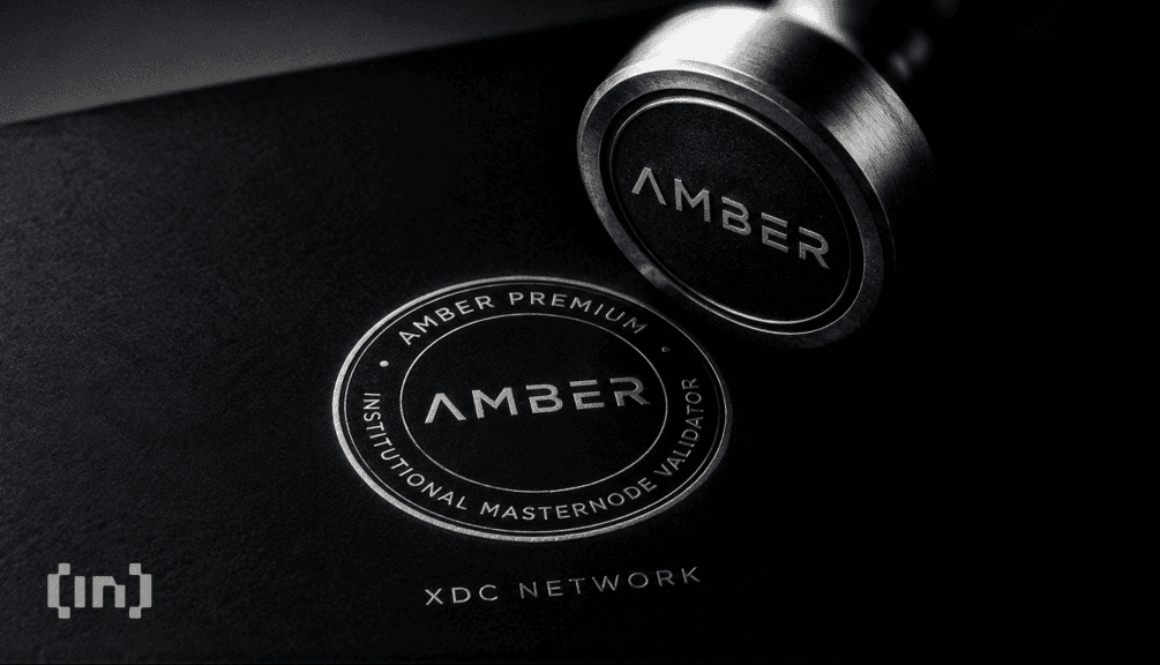
Amber International’s unit becomes XDC Network masternode validator
Amber Premium, the digital asset arm of Nasdaq-listed Amber International, has become a masternode validator on XDC Network through its Singapore subsidiary Sparrow Tech. The move signals that regulated financial firms, not only crypto-native node operators, are now bidding to run the infrastructure beneath tokenized asset markets.
- Amber Premium joined XDC Network as a masternode validator through Sparrow Tech, its MAS-licensed Singapore unit.
- Sparrow Tech holds a Major Payment Institution licence from Singapore’s Monetary Authority for digital payment token services.
- Brazil’s VERT Capital has already announced plans to tokenize up to $1 billion of assets on XDC.
- $1B VERT Capital’s planned tokenization on XDC, its largest named deal
- Sept 16 date of XDC Foundation’s post separating tokenized deposits from stablecoins
- 5 named institutional entities now validating or anchoring XDC’s network
Amber Premium, the digital asset platform owned by Nasdaq-listed Amber International, has become a masternode validator on XDC Network, a layer-1 blockchain built around trade finance and tokenized real-world assets. The move runs through Sparrow Tech, Amber’s Singapore entity, which holds a Major Payment Institution licence from the Monetary Authority of Singapore covering digital payment token services. For a company best known for crypto trading and wealth management, operating network infrastructure is a different kind of bet, as first reported by BeInCrypto.
Sparrow Tech’s MAS Licence Puts Amber Inside XDC’s Validator Set
Validators confirm transactions and maintain the shared ledger other network participants rely on, a role traditionally held by crypto-native node operators rather than licensed asset managers. XDC has instead recruited established companies into that position, including Deutsche Telekom, Republic and Clearpool, alongside SBI-linked infrastructure.
Amber now joins that roster as a regulated, Nasdaq-linked entrant rather than a pseudonymous operator.
Sparrow Tech operates as Amber Premium Singapore, and its licence covers digital payment token services under Monetary Authority records. Becoming a validator moves Amber closer to the plumbing underneath crypto markets rather than simply trading on top of it. XDC is betting that familiar, licensed names make that plumbing easier for banks to trust.
VERT Capital’s $1 Billion Plan Tests XDC’s Trade Finance Pitch
XDC has positioned itself around trade finance and tokenized real-world assets, representing instruments like corporate debt on a blockchain ledger. Brazil’s VERT Capital has announced plans to tokenize up to $1 billion of assets on the network, among the largest deals XDC has attached its name to. Filling validator sets with recognizable financial firms could make that infrastructure easier for institutions such as VERT to accept.
The approach carries an obvious tension. Public blockchains were built around decentralization, and loading validator sets with banks and telecom giants makes the network look more like traditional finance than an alternative to it. A parallel debate is playing out in Washington, where the SEC has proposed a crypto custody rule for investment advisers that would similarly tie regulated firms to crypto infrastructure.
XDC Foundation underscored a related distinction in a post on X, noting that a tokenized deposit remains a claim on the issuing bank while a stablecoin is typically backed by a separately held reserve pool. That same line separates bank-anchored projects like VERT’s from stablecoin issuers such as Open Standard’s recent OUSD launch on Solana.
AI Agent Thesis Stays Theoretical While Amber’s Move Is Already Live
Amber and XDC are tying the partnership to a further-out idea: AI agents that eventually move money and initiate transactions without human involvement. XDC argues that if machines increasingly make financial decisions, the credibility of whoever validates those transactions matters more, not less.
That automation thesis parallels work elsewhere in crypto infrastructure, where the Ethereum Foundation has proposed native transaction assertions to prevent signing failures as automated systems interact with wallets. For XDC, though, the concrete development is simpler: a Nasdaq-listed digital asset company has decided operating blockchain infrastructure is worth its capital today, not a hypothetical machine-driven future.
The CC