
Federal judge dismisses LIBRA memecoin class action, blocking investor recovery claims
A federal judge has shut down the only US class-action route LIBRA memecoin investors had for recovering losses tied to Argentine President Javier Milei’s February 2025 token promotion. Judge Jennifer L. Rochon dismissed the case with prejudice on September 29, 2025, closing the Southern District of New York docket and barring plaintiffs from refiling.
- Judge Rochon dismissed the amended complaint with prejudice and ordered the case closed on Sept. 29.
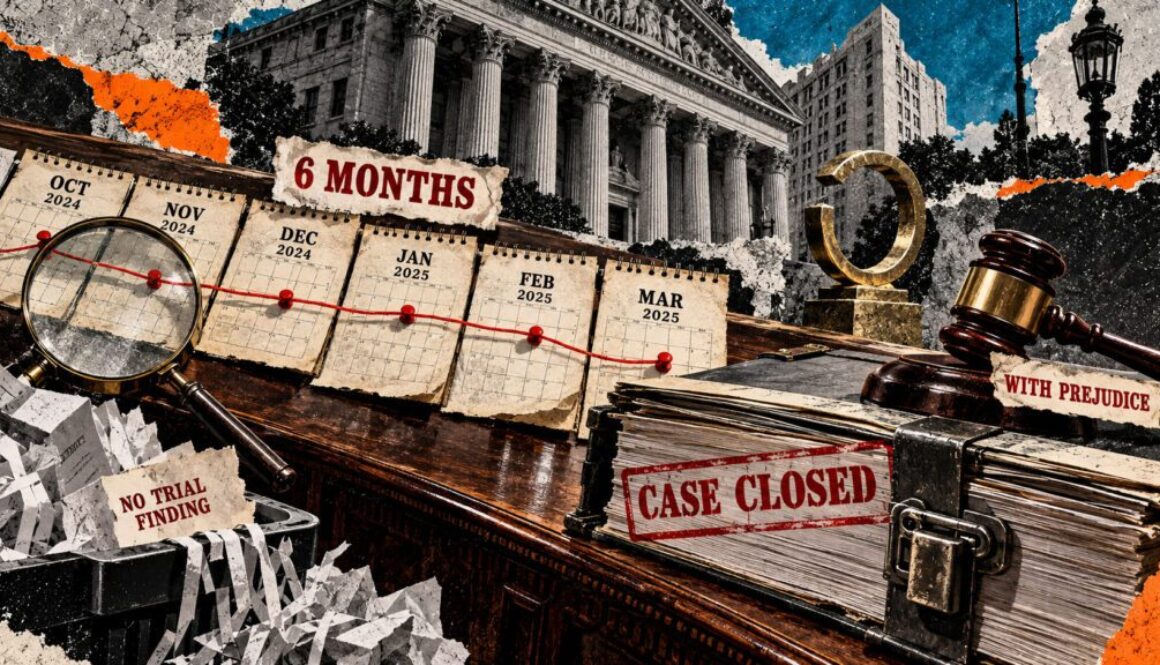
- The court found the alleged racketeering spanned only six months, from October 2024 through the March 2025 complaint.
- A proposed expansion adding the MELANIA, ENRON and TRUST tokens was rejected because it stretched the window to just seven months.
- Feb 14 2025 date LIBRA launched and Milei withdrew support same day
- 6 mo. alleged racketeering period, ruled too short to show RICO continuity
- 7 mo. extended period in rejected amendment, still insufficient for the court
Investors in LIBRA and a second memecoin, M3M3, had argued that insiders controlled the token launches and drained liquidity pools at outside buyers’ expense. LIBRA launched on Feb. 14, 2025, with Milei’s public backing, which he withdrew the same day once the token collapsed, according to the complaint as recounted by the court. The ruling, first detailed by CryptoSlate, also blocked plaintiffs’ proposed expansion of the lawsuit to three other tokens.
Rochon Rejects RICO Claims Against Kelsier Ventures and Hayden Davis
The plaintiffs’ core federal claim rested on the Racketeer Influenced and Corrupt Organizations Act, which requires either a lengthy pattern of related crimes or proof of an ongoing criminal threat. In the Sept. 29 opinion, Rochon found neither form of continuity adequately pleaded against the Kelsier defendants, which include Kelsier Ventures, Hayden Davis and Meteora co-founder and former CEO Benjamin Chow.
Treating the alleged scheme as running from October 2024 to the March 2025 filing, the court measured it at six months and compared that span against Second Circuit precedent, which generally demands a longer duration for closed-ended continuity even though two years is not a hard cutoff. Multiple alleged schemes and a potentially large victim pool did not change the outcome.
The alternative open-ended theory also failed: broad claims that the defendants ran a repeatable token-launch business did not establish, defendant by defendant, that wire fraud was a regular practice.
Dependent RICO conspiracy claims collapsed with the underlying counts. Plaintiffs’ proposed amendment would have added MELANIA, ENRON and TRUST along with a new plaintiff and new defendants, but Rochon found it extended the alleged period to only seven months and supplied no new facts curing the continuing-threat gap.
Meteora Escapes Suit as Unincorporated Entity, Chow Cleared on Pleading Grounds
Once the RICO claims fell, the court dismissed the Kelsier defendants’ remaining state-law claims for lack of personal jurisdiction. Allegations about nationwide social media activity and crypto infrastructure did not establish the New York-specific contacts required, and the court never reached the merits of those claims.
Claims against Chow failed separately on pleading grounds, including insufficient allegations that he acted with fraudulent intent. Meteora itself avoided liability because investors had not adequately pleaded it as a legal association or partnership capable of being sued in the first place.
The CCS read. For institutional allocators, the ruling is a reminder that memecoin exposure carries near-zero US civil recourse once insiders exit cleanly, regardless of political endorsement. Firms assessing counterparty risk in token-launch infrastructure like Meteora should treat unincorporated DeFi entities as functionally judgment-proof, a gap regulators have not closed even as the CLARITY Act debate continues.
Rochon’s dismissal with prejudice closes the SDNY case for good, and the judge did not rule on whether the underlying conduct was lawful, leaving the question of liability unresolved outside this forum. Hayden Davis had already denied wrongdoing and contested jurisdiction in June 2025, a position this ruling now locks in by default rather than on the merits, and it remains unclear what venue, if any, LIBRA investors can pursue next.