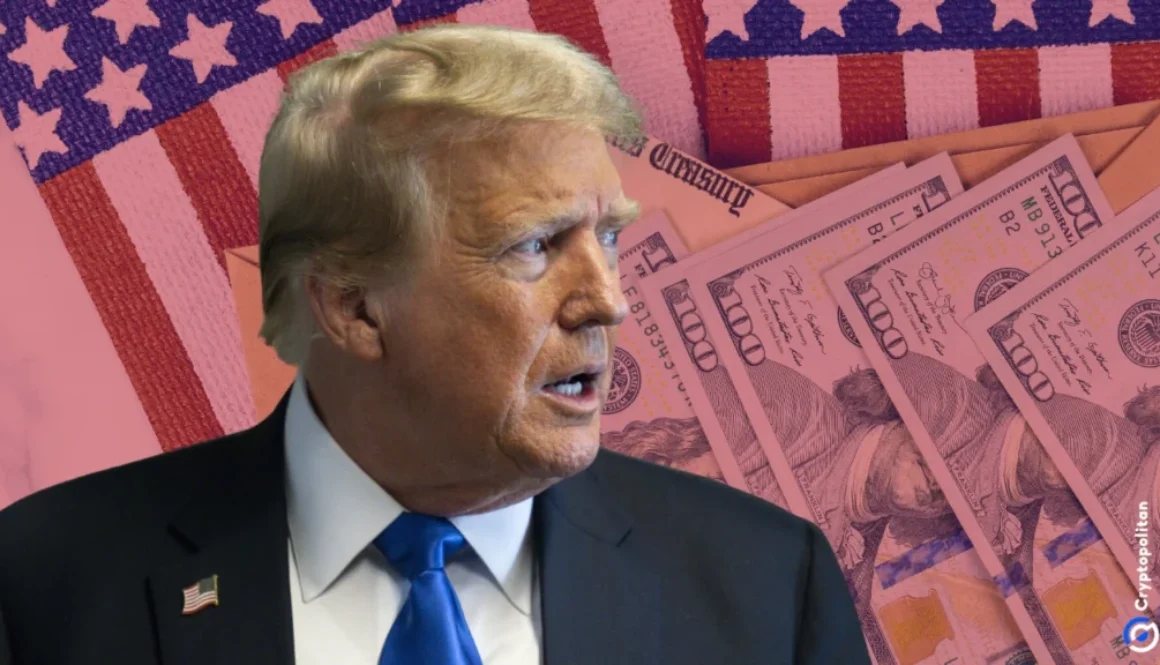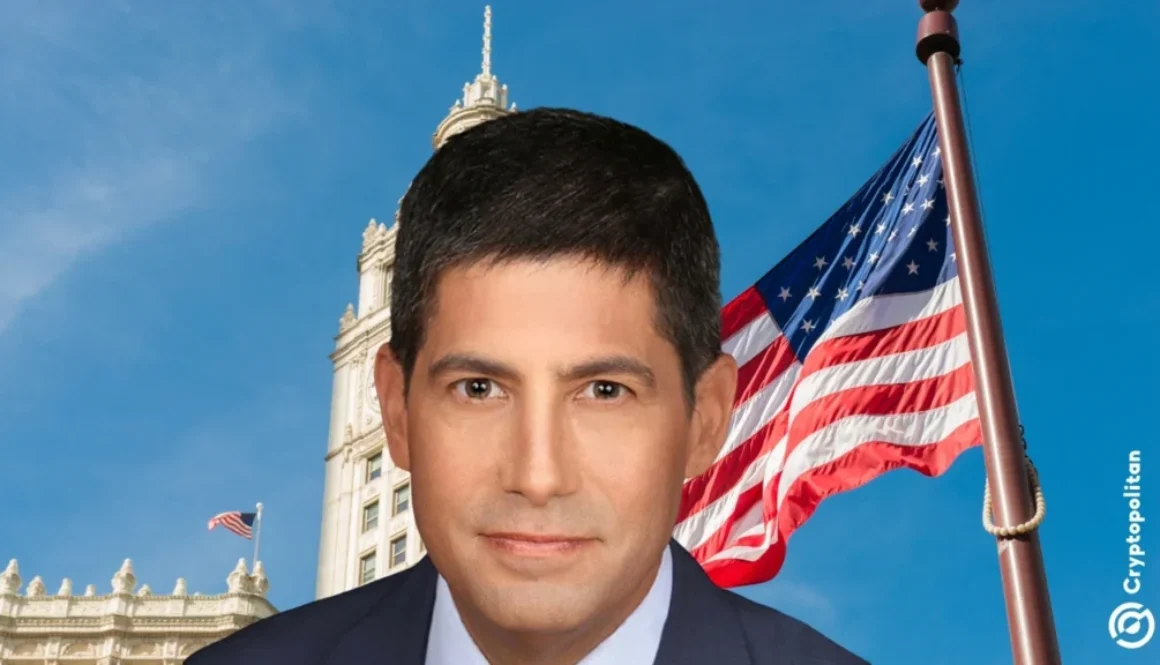
Kevin Warsh emerges as market favorite for next Fed chair as Trump signals decision
Financial markets are pricing in former Federal Reserve Governor Kevin Warsh as the leading candidate for the next Fed chairmanship after Donald Trump signaled he has already selected a successor to Jerome Powell. Prediction markets have become an increasingly influential barometer of how investors expect major monetary policy decisions to unfold, with Warsh’s odds surging on platforms like Polymarket as traders bet on his nomination.
Market Signals Point to Warsh as Frontrunner
Polymarket betting odds currently favor Warsh ahead of competing candidates, reflecting what market participants view as a likely outcome rather than mere speculation. His positioning atop the prediction market hierarchy suggests traders have genuine conviction about both his selection and the policy implications that would follow.
Kevin Hassett, who heads the National Economic Council, ranks second in current odds. Christopher Waller and Rick Rieder occupy lower positions, though Rieder’s recent White House interview with Trump has introduced fresh uncertainty into what many viewed as a settled decision.
Market reactions to signals surrounding the Federal Reserve chair position have proven significantly more volatile than responses to traditional announcements, highlighting how consequential this appointment is perceived to be.
This represents the latest instance of crypto traders and institutional investors using prediction markets to handicap Trump’s high-stakes personnel decisions, a pattern that emerged during his first term as well.
Warsh’s Credentials and Policy Background
Warsh brings direct Federal Reserve experience to the discussion, having served as a member of the Board of Governors from 2006 to 2011. His prior proximity to the Fed chairmanship during Trump’s first administration signals he remains seriously considered for the role this time around. During his previous tenure, Warsh participated in critical monetary policy decisions during and after the 2008 financial crisis, providing him with deep institutional knowledge of how the Fed operates during periods of extreme market stress.
Policy analysts frequently highlight Warsh’s advocacy for accommodative monetary approaches, particularly his preference for lower interest rates and increased market liquidity. This stance resonates with market participants who favor financial conditions that support risk-taking and asset appreciation across equities, commodities, and other risk assets. His public statements and writings have consistently emphasized the importance of flexible monetary policy frameworks that can respond dynamically to changing economic conditions.
His substantial background in economic policy positions him as a credible alternative to the incumbent Powell, giving investors confidence that his selection would represent a meaningful shift in Federal Reserve priorities rather than mere continuity. Beyond his Fed experience, Warsh has held prominent roles in investment management and served as an economic advisor during critical policy moments, establishing him as a figure with genuine influence across both public and private financial sectors.
What This Decision Means for Financial Markets
The Federal Reserve chair position carries enormous weight for all asset classes. Interest rate policy, inflation expectations, and credit conditions flow directly from decisions made at the institution’s highest levels. The Fed chair essentially sets the tone for global financial conditions, influencing everything from mortgage rates to employment levels to asset valuations worldwide.
Different candidates signal different policy directions to markets. A Warsh appointment would likely be interpreted as a tilting toward more market-friendly monetary conditions compared to Powell’s tenure, which featured multiple aggressive rate increases to combat inflation. Powell’s rate-hiking cycle, which began in 2022 and continued through 2023, significantly impacted risk assets across all markets and created headwinds for speculative investments that had flourished during the pandemic’s low-rate environment.
Investors betting on Polymarket have consistently demonstrated strong conviction around Warsh’s appointment, signaling their confidence in both his selection and the market implications that would follow.
For crypto market participants specifically, Fed chair decisions matter enormously. Lower interest rates and looser monetary conditions typically correlate with increased appetite for risk assets, including digital currencies. Conversely, rate hikes and credit tightening reduce liquidity flowing into alternative asset classes. The cryptocurrency industry has experienced significant volatility directly tied to Federal Reserve monetary policy shifts, with Bitcoin and Ethereum valuations showing marked sensitivity to interest rate expectations.
Prediction Markets as Policy Indicators
Polymarket and similar platforms have evolved into genuine price discovery mechanisms for political and policy outcomes. Traders who accurately forecast major decisions accumulate wealth, creating financial incentives for sophisticated analysis. These markets aggregate information from thousands of participants with varying levels of expertise, producing probabilistic estimates that often prove more accurate than traditional polling or analyst surveys for specific high-stakes outcomes.
This represents a structural shift in how markets process political information. Rather than waiting for official announcements, investors can access real-time probability estimates from thousands of traders making capital commitments based on their beliefs. The transparency and speed of prediction markets provide advantages over traditional information channels, allowing institutional investors to make allocation decisions faster and with greater confidence about likely policy directions.
Prediction markets have become particularly influential in the crypto ecosystem, where traders tend to be more technologically sophisticated and comfortable using decentralized platforms. This demographic has demonstrated strong ability to aggregate information and identify likely outcomes across political and policy domains, contributing to the growing acceptance of prediction market data among mainstream financial institutions.
Industry Context and Broader Implications
The Federal Reserve’s leadership decisions occur within the context of ongoing debates about monetary policy frameworks, inflation targeting, and the central bank’s proper role in financial stability. The crypto and digital asset industry has particular stakes in Fed chair decisions because different monetary policy approaches have dramatically different implications for blockchain technology adoption and cryptocurrency valuations.
A more accommodative Fed chair could accelerate traditional finance’s adoption of digital asset infrastructure, as lower opportunity costs for capital encourage exploration of new financial technologies. Conversely, a more hawkish chair focused on inflation control might deprioritize innovation initiatives in favor of stability-focused policies.
The selection of a new Federal Reserve chair occurs during a period of heightened debate about the sustainability of current fiscal and monetary policies, geopolitical tensions affecting capital flows, and technological disruption of traditional financial infrastructure. Warsh’s likely appointment suggests markets expect a policy approach that balances these competing priorities while maintaining flexibility for rapid policy adjustments as conditions change.
- Warsh leads current prediction market odds for next Fed chair
- Trump’s recent Rieder interview introduced new uncertainty
- Fed chair decision carries direct implications for monetary policy direction
- Prediction markets have become integrated into financial decision-making
- Warsh’s background suggests emphasis on accommodative monetary conditions
- Fed chair selection affects cryptocurrency valuations and digital asset adoption
The volatility observed in market reactions to Fed chair signals underscores how critically investors view this specific appointment. Few political personnel decisions carry comparable weight for asset valuations across such a broad range of markets.
During Trump’s first term, prediction market activity preceded major Fed chair decisions, establishing a pattern that appears to be repeating. This suggests crypto traders and institutional investors now view betting markets as essential tools for handicapping consequential policy appointments. The integration of prediction market data into investment decision-making processes represents a meaningful evolution in how financial markets incorporate political and policy information.
The selection of a new Federal Reserve chair will ripple through global financial markets. Currency values, bond yields, equity multiples, and cryptocurrency prices all respond to shifts in monetary policy direction. Warsh’s current market positioning reflects trader expectations that his appointment would meaningfully alter the Fed’s trajectory relative to Powell’s legacy.
As Trump moves closer to announcing his decision, prediction market odds will continue updating in real time. Each new signal—whether a candidate’s White House interview or public statement—will trigger rapid repricing across betting platforms. This dynamic process allows institutional investors to refine their expectations continuously rather than waiting for formal announcements.
Conclusion: Markets Position for Policy Shift
For investors and market observers tracking monetary policy developments, following prediction market movements provides a window into how sophisticated traders are pricing major outcomes. Warsh’s current dominance in these odds suggests markets have already begun positioning for what many view as his likely appointment.
The implications of a Warsh-led Federal Reserve extend beyond immediate policy adjustments. Such an appointment would signal a strategic shift in how the institution approaches its mandate, potentially accelerating adoption of technologies like digital assets while maintaining institutional credibility around inflation control. The crypto industry, in particular, stands to benefit from Fed leadership more aligned with financial innovation and accommodative monetary conditions that historically correlate with increased risk asset valuations.
Whether Warsh ultimately receives the nomination or not, the current betting market dynamics demonstrate how thoroughly the cryptocurrency and financial technology sectors have become integrated into mainstream market price discovery. Prediction markets now function as essential infrastructure for understanding likely policy outcomes, cementing the role of decentralized platforms in shaping expectations around the highest levels of financial governance.
Get weekly blockchain insights via the CCS Insider newsletter.