
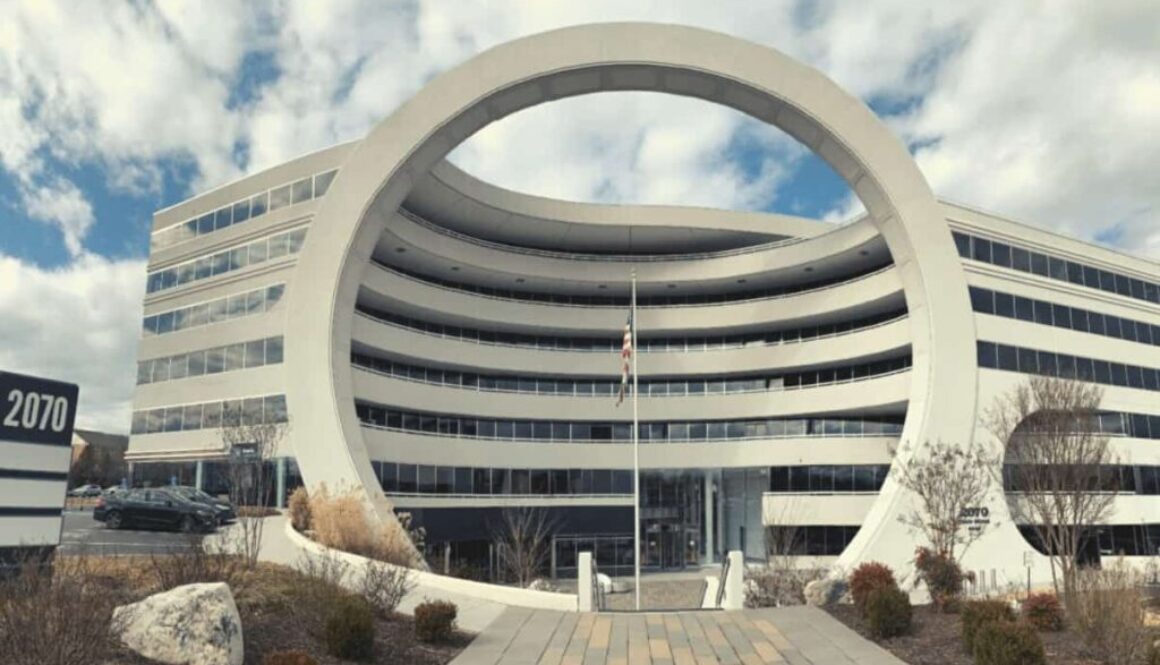
FinCEN confirms breach of systems holding U.S. exchange suspicious activity reports
The Financial Crimes Enforcement Network has taken multiple systems offline after confirming an unauthorized party breached its networks, raising fresh questions about the security of suspicious activity reports filed by U.S. crypto exchanges under the Bank Secrecy Act. The intrusion lands days after a separate breach of an unclassified CIA and ODNI intelligence system, intensifying scrutiny of federal cybersecurity defenses just as FinCEN oversees reporting for digital asset firms.
- FinCEN confirmed an unauthorized party accessed a limited subset of its systems on Tuesday.
- The bureau has not identified the intruder or confirmed whether any data was viewed or removed.
- Banks and exchanges can still file suspicious activity reports online, but not all FinCEN services remain available.
- Tuesday date FinCEN says the unauthorized access occurred
- $4M criminal penalty FinCEN extracted from Paxful earlier this year
- October month FinCEN scrapped two proposed crypto wallet reporting rules
FinCEN, a bureau of the U.S. Treasury Department, said in a service alert that an unauthorized party accessed a limited subset of its systems on Tuesday. The agency has not identified the intruder or explained how the breach happened, and it remains unclear whether any records were viewed or removed, according to a report from CryptoPotato. As a precaution, FinCEN pulled several systems offline while the investigation continues.
FinCEN Holds the SARs Filed by Every U.S. Exchange
Crypto exchanges operating in the United States must file suspicious activity reports, or SARs, with FinCEN under the Bank Secrecy Act. Those filings cover transactions and customers flagged for suspected money laundering or terrorism financing.
Analyst VirtualBacon flagged the stakes for the digital asset industry in a post on X, noting that law enforcement relies on FinCEN’s SAR database when investigating financial crimes. A disruption to that infrastructure could affect how quickly agencies pursuing crypto-linked cases, from laundering networks to terror financing schemes, can access the records they need.
FinCEN has stressed that banks and exchanges can still submit new SARs through its website. Not every service tied to the bureau’s systems is currently available, however, and the agency has given no timeline for full restoration.
FinCEN’s BitMEX and Paxful Cases Show Its Reach Over Exchanges
FinCEN has repeatedly used its enforcement powers against crypto platforms that fail compliance standards, a track record that makes any disruption to its systems more consequential.
It pursued BitMEX’s founders for operating the now-defunct exchange without adequate KYC procedures, a case that ended in a settlement and guilty pleas from executives including former CEO Arthur Hayes over Bank Secrecy Act violations.
Earlier this year the agency hit peer-to-peer platform Paxful with a $4 million criminal penalty in a coordinated resolution, and in July 2024 co-founder and former CTO Artur Schaback pleaded guilty to related anti-money laundering violations. That enforcement pattern sits alongside other federal crypto crackdowns, underscoring how central FinCEN’s data has become to broader prosecutions.
A hit on the regulator that holds exchange compliance data raises the stakes further.
FinCEN’s October Rule Retraction Fits a Deregulatory Pattern
The timing compounds an already uneasy week for federal cybersecurity. The breach surfaced just after reports of a separate intrusion affecting an unclassified intelligence system used by the CIA and the Office of the Director of National Intelligence, with the scope of that incident also still undetermined.
FinCEN has otherwise been pulling back from crypto-specific rulemaking this year. In October the bureau retracted two proposed rules, one that would have forced financial institutions to collect customer data on unhosted wallet transfers and another that targeted international crypto mixers, as part of what the Trump administration has called a deregulatory agenda.
That shift echoes other agencies loosening crypto oversight, even as the agency that holds exchanges’ SAR filings now has to explain a breach of its own.
The CCS read. A breach at the agency warehousing every U.S. exchange’s suspicious activity reports is a supply-chain risk for compliance, not just an IT headache. Exchanges that outsource trust to FinCEN’s filing system now have reason to press for confirmation on what, if anything, left the building, and whether their own customer disclosures sat inside the exposed subset.
FinCEN has not said when it expects to restore full service or confirm whether any SAR data was accessed, leaving exchanges and the law enforcement agencies that rely on those filings waiting on the next update to the agency’s alert.