Key takeaways
- Dubplate Trade is building an NFT-based platform and exchange for artists to sell unreleased tracks directly to fans while maintaining digital ownership rights.
- The music industry lacks digital ownership mechanisms, allowing unauthorized sharing of tracks; NFTs on blockchain create verifiable individual ownership and collectibility.
- Artists face revenue challenges from Spotify, piracy, and pandemic-related gig cancellations, making new revenue streams through NFT sales essential.
- The platform removes middlemen from music distribution and allows artists to mint NFTs at no cost, with flexibility to sell on Dubplate's exchange or other marketplaces like OpenSea.
- Early marketing strategy targets crypto-native audiences first before expanding to music industry users, with an MVP planned for release within weeks.
Why unreleased tracks need digital ownership
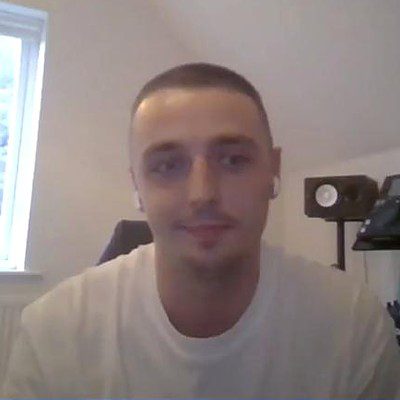
Ashton Addison: What is Dubplate Trade, and what problem does it solve?▶ 00:21
Oli Fletcher: We see decentralized applications as the future, not just of blockchain but of solving a lot of industry problems. Dubplate Trade is a solution for an industry that isn't really using blockchain at the moment. We're combining the music industry with the digital ownership value that NFTs bring. We're building an MVP of a platform and exchange where artists can submit exclusive tracks, specifically unreleased ones, as NFTs and sell them to their fans. Right now, artists put tracks out as MP3s on USBs and sell them to 200 or 300 people. That kind of works, but there's no digital ownership, so nobody feels they shouldn't share it. They send it to their friends, and quickly those tracks become easy to find on the internet. We want to harness NFT technology to create individual ownership on the public ledger, so people can own collectible, individual prints of NFT tracks.
Ashton: Beyond ownership, what are the biggest problems for artists, and how will Dubplate Trade address them?▶ 02:25
Oli: Artists have had the short straw since the 90s, when you'd print a track onto vinyl. That was a physical asset you could own and value, and it wasn't going to be duplicated a thousand times by tomorrow morning. Since then there's been Spotify, piracy and, more recently, COVID, which has stopped artists making money from gigs. Artists need a new revenue stream. Dubplates are specific tracks with immense value because they're unique, special and collectible. That they get shared around and devalued because of the digital revolution is, in our opinion, a cardinal sin. As a team, we also feel, as crypto heads and techies, that there are a lot of middlemen taking cuts of artists' work. You've already seen the success of various NFT exchanges and artists, so there's no reason music should be treated differently. That's the problem we're here to solve.
Dubplates are specific tracks with immense value because they're unique, special and collectible.
How artists mint and sell their tracks
Ashton: How does the process work for artists, and where can fans buy the tracks?▶ 04:47
Oli: The crypto community is about community and giving power back to the people. We want to build something that's accessible to everyone. You'll be able to go through the platform, create your own NFT and value it yourself. It's at no cost and it goes straight back to your wallet. Think of us as a vinyl pressing place. Then we'll have the exchange, the world's first NFT music shop, which will have its own audience. But if you'd rather sell on OpenSea or another NFT exchange, that's your right. It's your NFT at that point. It's built on ERC-721, so you can do whatever you need to with it.
Winning over crypto fans and the music industry
Ashton: You're early, and marketplaces compete for network effects. How will you attract fans and listeners to your exchange?▶ 07:11
Oli: You're right, we're at a very early stage. We've only been doing this since 2021, at best. We feel we have a revolutionary idea that fills a hole in the industry, but we also need marketing campaigns that appeal to the right people. We see two streams. There's the crypto side, who understand how this market works. Then there's the music side, who are a lovely bunch but can be very stuck in their ways. We've spoken to a few people in the music industry and they're keen to know how they can help, but at this stage we're creating a solution to a problem. So for now we're marketing to the crypto side, and we have three big campaigns lined up following our next round of token sales. By then we'll have an MVP that musicians and fans can touch and feel, and we're hoping to have that in a couple of weeks.
If you'd rather sell on OpenSea or another NFT exchange, that's your right. It's your NFT at that point.
The DUB token and the road to launch
Ashton: What is the DUB token used for, and does it create a sustainable ecosystem?▶ 09:49
Oli: The DUB token is really the fuel for this project. We put it on presale at the beginning of May, and we've put 500,000 tokens into circulation. It has three primary use cases. First, it's a governance token. We're building a decentralized app and we believe it should be powered by the community, so token holders can make decisions on the project. Second, you'll be able to use DUB as a currency on the platform, alongside USDT. We don't want to restrict the platform by forcing everyone to use DUB, although that could be something that goes to governance and gets changed. Third, we want to give people a reason to hold tokens. Ten percent of each NFT sale goes back to the original artist, which is one of the primary ways we're supporting our goal of artist revenue. We'll also take 2% of NFT sales to redistribute to token stakers, so those who stake their tokens through our app are rewarded as part of a self-sustaining ecosystem.
Ashton: What are the major milestones between now and the end of 2021?▶ 12:11
Oli: The support for our first round of token sales was overwhelming. It felt like people really understood the idea. We needed two things: marketing, mainly to the crypto community because they understand dapps and blockchain, and to mobilize the dev team, who've been working really hard. We're now in the integration stage, connecting our smart contract with our UI, and we're very close to releasing the first edition of the exchange. We'll then build on it iteratively, taking advice from the community. Next, we'll run more token sale rounds to increase liquidity as we build awareness, and we're working with some big names in the music industry to build awareness on that side too. We want to make it an application that artists can use without needing to know the ins and outs of how smart contracts and the blockchain work.
This interview has been edited for length and clarity. Recorded June 2021.