Key takeaways
- ArtSmiley is building a multi-chain decentralized NFT marketplace that bridges traditional physical artwork with digital NFTs, addressing the gap between these two markets.
- The platform targets unknown artists lacking exposure and marketing channels, offering them secondary sales opportunities and royalties through blockchain-based tokenization.
- ArtSmiley differentiates itself by being the first NFT marketplace in the Middle East and Asia region, leveraging four years of existing community relationships with artists and collectors.
- The platform simplifies blockchain onboarding for non-technical traditional artists through community leaders, education programs, and digitization services handled by ArtSmiley directly.
- The $SMILEY token integrates into the platform to provide ecosystem benefits for artists and users, though specific functionality details were not completed in the transcript.
From traditional art marketplace to NFTs
Ashton Addison: What is ArtSmiley, and what NFT initiatives is your team working on?▶ 00:24
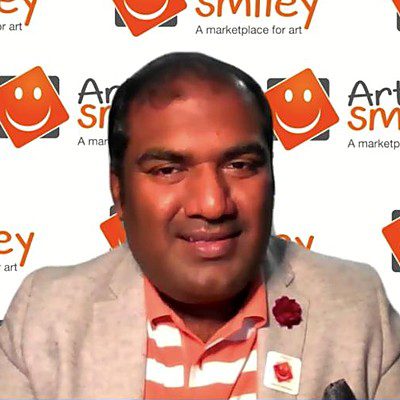
Lurdh Allam: ArtSmiley was established in 2017 and has been operating since 2018. We're a leading marketplace in the Middle East, with a lot of experience and partners across the region. Now we're moving into the NFT space so we can support a much larger community of digital artists. Our vision is to build a multi-chain, decentralized NFT marketplace for unique physical artwork and rare collectibles. Our vision is to bring NFTs into the mainstream of art.
Ashton: What major problems in NFTs did you identify, and how are you solving them?▶ 01:38
Lurdh: We're addressing more than one problem, for different stakeholders in the art industry. For artists, more than 80 percent are unknown and unseen, and they don't know how to market their work. We showcase their artwork, and we also give them the chance to benefit from secondary sales. For collectors, and I'm an art collector myself, you want a unique, authentic piece that is yours alone. With blockchain we can authenticate the artwork and tokenize it as a single piece, which brings much more transparency. For investors, art in the traditional world is a fixed asset that earns nothing back. We're connecting the traditional art world with the NFT art world, so people who invested in NFTs can also access the traditional world and make art prints.
Our vision is to bring NFTs into the mainstream of art.
Standing out and onboarding artists
Ashton: What differentiates ArtSmiley from the other up-and-coming NFT marketplaces?▶ 04:36
Lurdh: First, we're the first to come up with an NFT marketplace from the Asian region, whether in the Middle East or in Asia. We also have a large community of artists, buyers and exhibition partners who have worked with us over the last four years. The important differentiator compared with the competition around the world is that we bring physical artworks as well as digital. We're trying to bridge the gap between physical and digital art. A platform that accepts both traditional and digital art and offers NFT-based ownership is something very unique in the industry, and it will put us in a stronger place than our competition.
Ashton: Many traditional artists lack blockchain knowledge. How are you making it easy for them to use ArtSmiley?▶ 06:50
Lurdh: We're making onboarding as easy as possible. We already run a traditional art marketplace, so a lot of the artists know the process, and we understand the complications. Over the last four years we've set up community leaders in regions including Africa and India, who bring in good artists who aren't tech-savvy. We also provide education and training so the platform is easy to adopt and operate. The traditional artists come with their physical artworks, we digitize them and we monetize them on our platform. We take that pain away from the artists.
The Smiley token and its IDO
Ashton: How does the Smiley token work inside the platform, and what does it offer the ecosystem?▶ 08:40
Lurdh: The Smiley token is the essential currency for trading art on our platform, whether that's selling, renting or printing artworks. Every transaction on the platform has to use Smiley tokens, including payments to NFT holders, token holders and artists who earn from secondary sales. Token holders also get premium access to artworks, with discounts of up to 10 percent, and 15 percent for some premium members. They can attend our virtual exhibitions for free. We're trying to build a system where the ecosystem and its transactions, from artist to investor to buyer, circulate within that community.
Ashton: Can you walk us through the IDO process and its timeline?▶ 10:33
Lurdh: Our IDO started just a few days ago. We're launching it through a launchpad, which handles the onboarding of investors through its channels. We're offering both private and public sales. All the details are available through our Telegram channel and on our platform website, so anyone interested can reach us there.
The two pillars that helped us grow to where we are today are trust and transparency.
Roadmap and the keys to adoption
Ashton: What are the major milestones for ArtSmiley for the rest of 2021 and beyond?▶ 11:41
Lurdh: We have a detailed roadmap planned out for the next five quarters. This quarter we're starting project commencement and validating things, and we're going into the IDO. The next stage is to launch the ArtSmiley NFT platform as a minimum viable product, and then a full-fledged launch with AI, AR and VR tools integrated. That includes artificial intelligence to automate matching of buyers' and artists' interests, plus virtual exhibitions around the world with private investor rooms and viewing rooms. There's a lot of work to do and to showcase to the world.
Ashton: What will be the key factors in getting ArtSmiley to widespread adoption?▶ 13:09
Lurdh: ArtSmiley is built on the foundation of building together with the community. We have a large community, and most of our growth to date has been organic, through word of mouth. The two pillars that helped us grow to where we are today are trust and transparency. We've built our network and our people on those foundations, and we believe they will carry us to bigger and longer-lasting success even as we grow.
This interview has been edited for length and clarity. Recorded July 2021.