
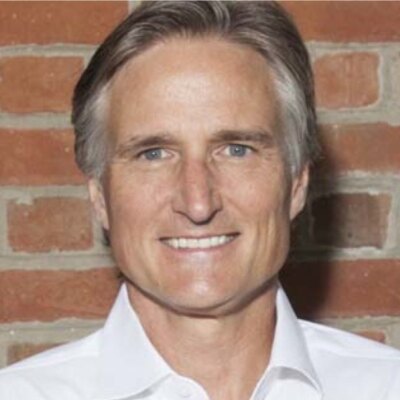
 HM
Halsey Minor is an American technology entrepreneur from Charlottesville, Virginia, best known as the founder of CNET.
A University of Virginia graduate, he worked at Merrill Lynch and in executive recruiting before starting CNET in 1993 with Shelby Bonnie. The company went public in 1996 and he stepped down as chief executive in 2000. He started the search portal Snap.com, was a co-founder of and early investor in Salesforce, and in 2004 formed Minor Ventures, which backed Grand Central Communications, later Google Voice, and OpenDNS.
He returned to startups in 2014 with Bitreserve, the digital money platform now called Uphold, and the virtual reality video company Live Planet. In 2017 he created VideoCoin, a blockchain network that used spare data center capacity for video processing, which raised a reported 35 million dollars in a 2018 token presale. The project was rebranded in 2021 as Vivid Labs, a publishing platform for video and multimedia NFTs.
 27:49
Latest interview · Jun 21, 2022Halsey Minor on Vivid Labs' NFT 2.0 platformWatch the episode →
Key points
- Vivid Labs' NFT 2.0 platform supports over 200 file types and files up to 32 gigabytes, compared to traditional NFTs limited to single media files.
- NFTs on Vivid Labs can be updated by owners, enabling ongoing relationships between creators and NFT holders through dynamic content.
- Use cases extend beyond digital art to include estate planning with video testimony, legal documentation, product authentication, and music albums with multimedia content.
- The platform enables live streaming capabilities and allows NFTs to be published across multiple blockchains including Polygon and Vivid's own blockchain.
- Halsey Minor compares the technology shift to CNET's revolution in web content delivery, positioning NFT 2.0 as a fundamental upgrade to blockchain-based digital ownership.
In their own words
“I feel like what we've created is the new website, except that instead of reducing the value of content, it increases it.”
“In five years, I think art will be about ten percent of the use cases.”

