Bitcoin Miners Bag Profit: 3,400 BTC Flow Out Of Reserves Since April
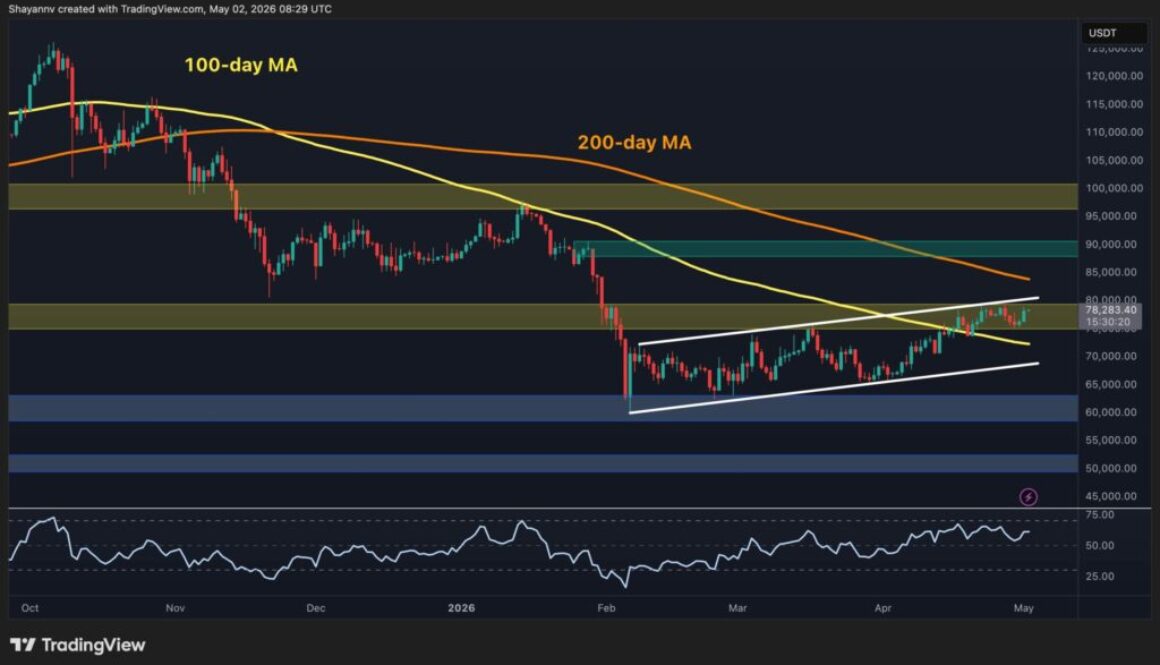
Bitcoin miners have withdrawn 3,400 BTC from their reserves since early April as the cryptocurrency climbed 15% to $82,790, signaling active profit-taking that could create headwinds for further price appreciation. The shift in miner behavior, measured through on-chain reserve data, reveals how institutional-scale holders react to price recoveries and hints at potential selling pressure ahead of any sustained rally.
- 3,400 BTC offloaded by miners since April 7 during 15% price climb from $72,000 to $82,790
- Miner Reserves metric tracks total Bitcoin held in miner-affiliated addresses to identify distribution patterns
- Continued profit-taking by miners could obstruct Bitcoin’s ability to break higher and sustain bullish momentum
- 3,400 BTC withdrawn from miner reserves since April 7, 2024
- 15% price increase from $72,000 baseline to $82,790 peak
- $80,287 Bitcoin price at time of analysis, up 0.8% in 24 hours
Bitcoin miners have begun distributing holdings at a material scale, with on-chain data revealing that approximately 3,400 BTC flowed out of miner-affiliated addresses between April 7 and May 8. This outflow coincided precisely with Bitcoin’s recovery from $72,000 to a local peak near $82,790, a 15% gain that created the conditions for profitable exits.
The withdrawal pattern, tracked through the Miner Reserves metric, reflects a deliberate shift in miner behavior as network validators prioritize converting accumulated coin into fiat currency or stablecoins to cover operational expenses or lock in multi-month highs.
For institutional investors, miner behavior serves as a critical on-chain signal of supply-side pressure and market participant sentiment at scale. Unlike retail traders, miners operate with transparent on-chain footprints; their address clusters and transaction patterns can be measured directly.
When reserve levels decline sharply during price rallies, it typically signals that large holders with the highest operational cost structures are choosing to sell rather than accumulate, a bearish technical indicator that precedes corrections or consolidation phases.
Miners Lock In Profits as Operational Pressure Mounts Industry-Wide
The profit-taking behavior observed in May reflects structural stress facing the Bitcoin mining sector. Over the past several years, mining profitability has compressed due to rising electricity costs, increased competition from larger industrial operations, and the pivot of some established mining firms toward AI data center infrastructure as an alternative revenue stream.
These pressures force miners to monetize holdings more aggressively than during periods of industry expansion, meaning that even moderate price rallies trigger significant coin distribution.
The 3,400 BTC outflow is substantial in absolute terms but must be contextualized against total network mining output. Bitcoin miners produce approximately 900 BTC daily through block rewards and transaction fees. Over the 31-day period from April 7 to May 8, miners would have generated roughly 27,900 BTC from network issuance alone.
The 3,400 BTC outflow represents only about 12% of that monthly production, suggesting that while profit-taking is evident, miners retained the majority of newly mined coin. However, the rate of reserve depletion accelerated during the price rally, indicating that miners responded dynamically to improved pricing rather than executing a pre-planned liquidation schedule.
The timing aligns closely with Bitcoin’s sustained push above $80,000, the first such occurrence since early February. This psychological level carries weight for both retail and institutional traders, triggering automated selling strategies and stop-loss harvesting among leveraged positions.
When miners accelerate distributions simultaneously with technical resistance, selling pressure compounds, potentially limiting the rally’s upside persistence.
Selling Pressure Could Limit Bitcoin’s Recovery Above $82,000
The danger posed by coordinated miner selling lies in its timing relative to other market forces. Bitcoin had been consolidating between $70,000 and $75,000 for much of March and early April before breaking upward in the second week of April. That breakout attracted fresh buying interest and short covering, momentum that miners then capitalized on by accelerating distributions.
If miner outflows intensify as Bitcoin approaches fresh highs, they create a supply wall that new buyers must overcome with additional capital.
On-chain analysis typically interprets declining Miner Reserves as a negative signal for price continuation because it represents sellers meeting buyers at higher prices. Crucially, miners are not speculators; they are forced sellers constrained by operational economics.
Their willingness to distribute coin signals that current prices are attractive relative to forward mining revenue expectations, implying limited upside margin of safety. If miners viewed Bitcoin’s price trajectory as unsustainably high, they would accelerate distributions further, creating feedback loops that cap rallies.
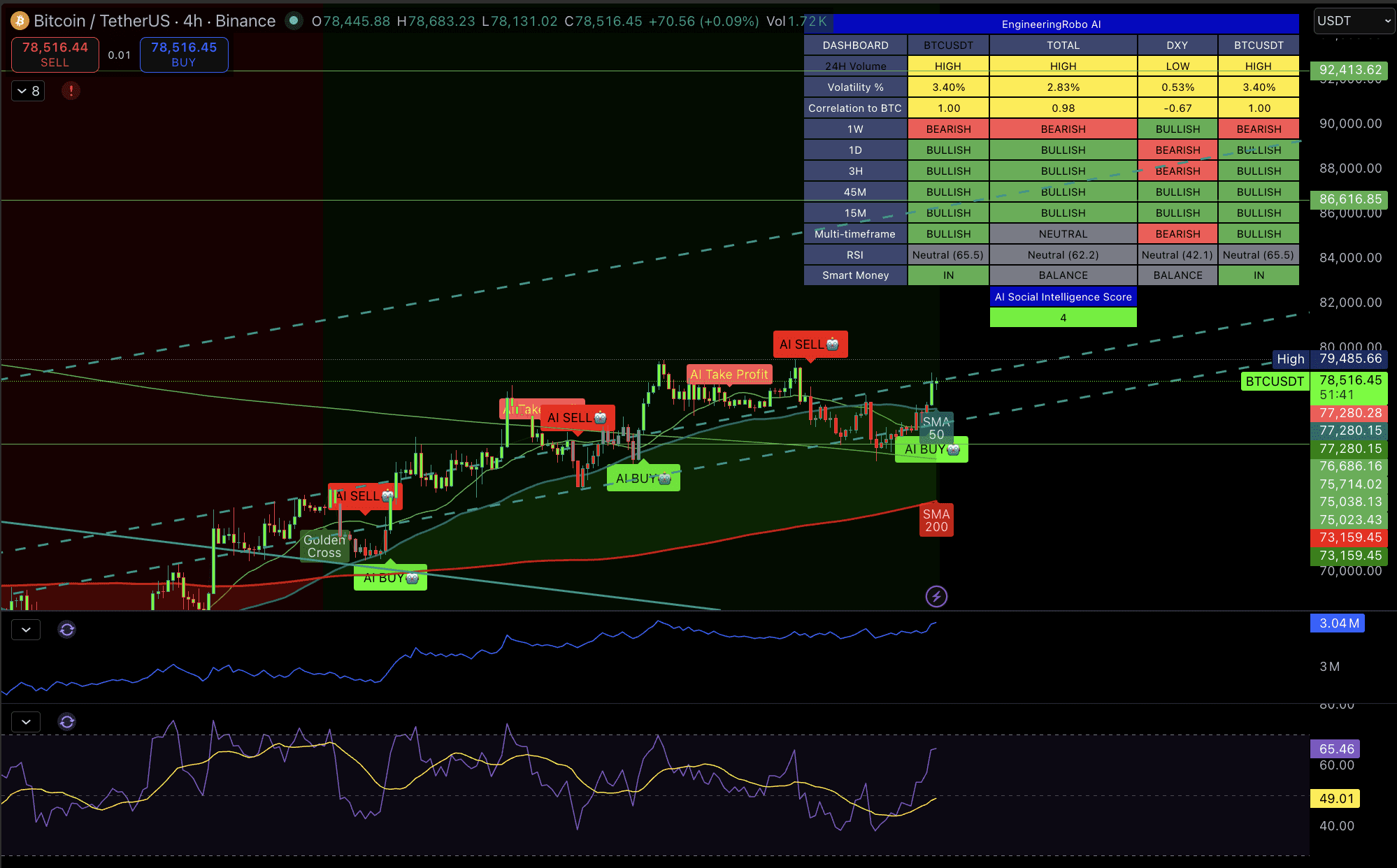
As of mid-May, Bitcoin was trading near $80,287, reflecting minimal daily movement despite the week’s earlier strength. This relative flatness immediately after the $82,790 peak suggests that selling pressure, including distributions by miners, had already begun to outweigh fresh buying momentum.
Institutional Implications: Watch Miner Reserve Velocity in Coming Weeks
For institutional portfolio managers and quantitative traders, the Miner Reserves metric provides a forward-looking indicator of supply dynamics that traditional price action often lags. When reserve depletion accelerates, it typically precedes consolidation or correction within one to three weeks.
Conversely, when miner reserves stabilize or begin accumulating again, it signals that miners view current prices as undervalued relative to production costs, reducing near-term selling pressure and potentially supporting further rallies.
The May data suggests a critical juncture: miners are testing the market at higher prices but have not yet liquidated a majority of holdings. If Bitcoin holds above $80,000 and fails to break decisively above $83,000 over the next two to four weeks, accumulating miner selling could be the culprit.
Conversely, if Bitcoin sustains a rally above $85,000, miners would face a choice between continued distribution to cover costs or temporary reserve accumulation to capitalize on momentum.
The profitability picture for miners remains under pressure from rising competition and structural cost increases, meaning reserve depletion may resume or accelerate if Bitcoin prices correct below $75,000.
Institutional traders should monitor the Miner Reserves metric weekly for the next four weeks to assess whether the 3,400 BTC outflow represents a temporary profit-taking event or the beginning of sustained distribution pressure.
If miners continue offloading at rates exceeding 100 BTC per day despite Bitcoin’s inability to break above $83,000, it would signal that operational stress is overriding price-momentum factors, suggesting limited upside until reserve depletion stabilizes or mining industry profitability improves materially.
Miner Outflows Mirror Historical Profit-Taking Cycles; 2021 Peak Saw Triple Current Withdrawal Rate
The 3,400 BTC miner withdrawal over the past month represents a material but measured response to price recovery, standing in sharp contrast to the aggressive distribution patterns observed during Bitcoin’s 2021 bull market.
During the May 2021 peak near $65,000, miner reserves fell by roughly 10,000 BTC in a single month as network participants capitalized on the cycle high, generating proportionally greater sell pressure relative to spot price gains.
The current withdrawal rate of approximately 110 BTC per day compares to an average of 140 BTC daily during the 2021 cycle peak, suggesting that miners in 2024 are distributing holdings more gradually despite similar percentage gains in spot price.
This deceleration in miner selling intensity could indicate structural changes in how mining operations manage cash flow in a mature market with established institutional custody and lending infrastructure. Large-scale mining pools and publicly traded miners now have access to credit facilities and derivatives markets that allow them to hedge exposure without immediately liquidating coin reserves.
Marathon Digital, Riot Blockchain, and other public miners have demonstrated the ability to borrow against Bitcoin holdings or use futures contracts to lock in price floors, reducing the urgency of spot selling during temporary rallies.
Between April and May 2024, public miners collectively announced $500 million in new financing facilities, providing alternatives to immediate reserve liquidation that were unavailable during previous cycles.
The gradual pace of miner outflows suggests that resistance to further price appreciation may build incrementally rather than spike sharply, prolonging the typical “distribution phase” that precedes deeper pullbacks. Institutional investors should monitor whether miner reserves stabilize above the 1.8 million BTC level over the next 60 days; sustained declines below that threshold would indicate accelerating liquidation pressure and reduced miner conviction in near-term price recovery above $85,000.