Amazon Caught Destroying Rare Books to Train AI
Amazon’s systematic destruction of rare books at a Nevada warehouse facility after scanning them for AI training data reveals the scale and legal vulnerability of the tech industry’s intellectual property sourcing practices. For institutional investors evaluating AI infrastructure spending and regulatory risk, this precedent-dependent model creates material exposure to future copyright reform and supply-chain disruption.

- Amazon workers at Nevada facility VGT3 strip book spines and scan pages before systematic destruction as routine job function.
- 1,000 rare books ordered per shipment through anonymous Biblio marketplace channels, targeting out-of-print titles with few remaining copies in circulation.
- 2023 federal court ruling established that book destruction after digital conversion constitutes fair use, creating legal foundation for industry-wide scaling.
- 1,000 Rare books destroyed per shipment at Nevada warehouse facility for AI model training
- 2023 Year federal court ruled book destruction after scanning qualifies as fair use under copyright law
- VGT3 Amazon warehouse facility designation where systematic spine stripping and page scanning operations occur
Amazon has established a systematic operation at its Nevada warehouse complex to purchase rare and out-of-print books through anonymous marketplace channels, scan their contents for artificial intelligence training datasets, and destroy the physical originals.
The discovery emerged from investigative tracking of a 1,000-volume shipment ordered through Biblio, a marketplace specializing in used and rare titles, which was transported to the facility designated VGT3 within Amazon’s Las Vegas operations.
Workers at the site perform routine tasks of stripping book spines and scanning pages as assigned job functions with formal production metrics, indicating this is a scaled manufacturing process rather than a pilot program.
The operation reflects an industry-wide trend that accelerated following a 2023 federal court ruling that deemed the practice of converting physical books to digital form and then destroying the originals to constitute “transformative” fair use under copyright law.
Amazon’s Nevada Warehouse Operates Rare Book Destruction as Formalized Production Process
The VGT3 facility operates with structured workflows and assigned production rates, with workers performing sequential tasks that move books from intake through destruction. Some staff scan ISBN barcodes upon arrival, while others cut book spines to enable rapid page-by-page scanning before the materials are disposed of.
The warehouse’s operational division logo depicts a Tyrannosaurus rex consuming a book, an image that literalizes the destruction occurring on the facility floor in stark visual terms. Workers describe their assignments in straightforward operational language, suggesting institutional normalization of the process across the workforce.
The targeting of rare titles with few remaining copies in circulation indicates systematic curation rather than random bulk acquisition.
Anonymous purchasing through commercial resale marketplaces obscures Amazon’s identity as the end buyer, allowing the company to acquire materials without triggering seller awareness or public disclosure. The 1,000-book-per-shipment volume, combined with ISBN barcode cataloging, suggests an effort to digitize entire categories of the global printed book inventory.
This scale of operation requires sustained capital expenditure, logistics coordination, and warehouse labor allocation integrated into Amazon’s standard operational structure, pointing to a deliberate long-term investment in this sourcing channel for training data.
2023 Court Ruling Created Legal Foundation for Industry-Wide Book Scanning and Destruction
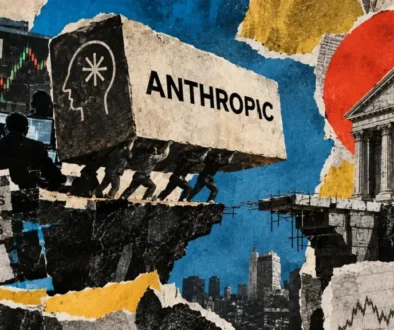
A federal court decision in 2023, emerging from litigation involving AI training company Anthropic, established that transforming physical books to digital copies and then destroying the originals does not violate copyright law if the transformation serves a different purpose from the original work.
The ruling classified this practice as “transformative” under fair use doctrine, creating explicit legal cover for technology companies to source copyrighted material through acquisition and destruction cycles.
This precedent directly enabled Amazon and other technology firms to scale book destruction operations with reduced litigation risk, since the copyright holder’s original economic interest in the physical book is eliminated through destruction, and the digital reproduction serves a distinct AI training purpose.
The ruling’s language around “transformative” use redefined how courts evaluate derivative works created from copyrighted material, shifting the analysis away from whether the original copyright holder was compensated and toward whether the new use creates different value.
For Amazon and similar operators, this interpretation meant they could legally purchase books through standard commercial channels, extract their contents, and destroy the physical originals without licensing agreements or payments to authors or publishers.
The decision reflects an evolving legal framework in which copyright protection becomes subordinate to technology company data sourcing strategies, provided the original physical work is rendered unusable.
No compensation to copyright holders occurs under this model, since the destruction of the original physical book eliminates any competing economic claim to the digitized content.
Institutional Investors Face Emerging Regulatory Risk as Copyright Reform Becomes Foreseeable
The systematic destruction of rare books to train AI models creates a specific regulatory vulnerability for technology companies and their investors: copyright law reform targeting this exact practice is now foreseeable.
Authors, publishers, and preservation advocacy groups have limited legal recourse under the 2023 ruling, but legislative response at federal and state levels remains entirely open.
Several countries, including the European Union member states, have moved to restrict or prohibit AI training on copyrighted material without explicit licensing, creating jurisdiction-specific compliance challenges for technology companies operating globally.
For institutional investors in AI infrastructure companies, this represents material downside risk to the capital efficiency of training data acquisition models.
If the 2023 court ruling is overturned or superseded by statute, technology companies would face sudden increases in licensing costs for copyrighted material, reduced access to certain rare and out-of-print materials (since destruction would become prohibited), and potential litigation exposure for prior book destruction operations.
The valuation premium currently assigned to technology companies based on low-cost training data acquisition could compress if legal precedent shifts. Investors should evaluate whether individual holdings have diversified training data sourcing strategies that do not depend entirely on the continued legality of book destruction under fair use doctrine.
Amazon’s warehouse operation creates direct legal exposure to copyright reform, since it produces documented evidence of systematic destruction of rare cultural materials.
ISBN Cataloging and 1,000-Volume Shipments Suggest Global Inventory Targeting Strategy
The use of ISBN barcode scanning at the Nevada facility indicates systematic effort to catalog and track specific book titles being destroyed, rather than random bulk processing.
Combined with the 1,000-volume-per-shipment volume through anonymous marketplace channels, this suggests Amazon may be executing a targeted acquisition strategy focused on specific categories of rare or out-of-print material. The anonymity of marketplace purchases prevents sellers and preservation organizations from identifying patterns in what material is being removed from circulation.
For institutional investors, this operational structure raises questions about the long-term availability and pricing of rare intellectual property.
If Amazon and competing technology companies systematically acquire and destroy rare books at scale, librarians, researchers, and collectors may face reduced availability of certain out-of-print titles and increasing scarcity premiums for surviving physical copies.
This creates secondary effects on academic institutions, heritage preservation organizations, and collectors who depend on stable access to rare materials. Technology companies’ training data sourcing practices may directly reshape information access markets outside the AI industry.
Investors should monitor pending copyright legislation at federal and state levels, particularly any bills restricting AI training on copyrighted material without licensing, as well as statements from author advocacy groups and publishing industry representatives signaling intent to challenge the 2023 ruling through legislative remedy or future litigation.
Original reporting: futurism.com