
Another Setback for CLARITY Act as White House Stays Silent (Flash News)
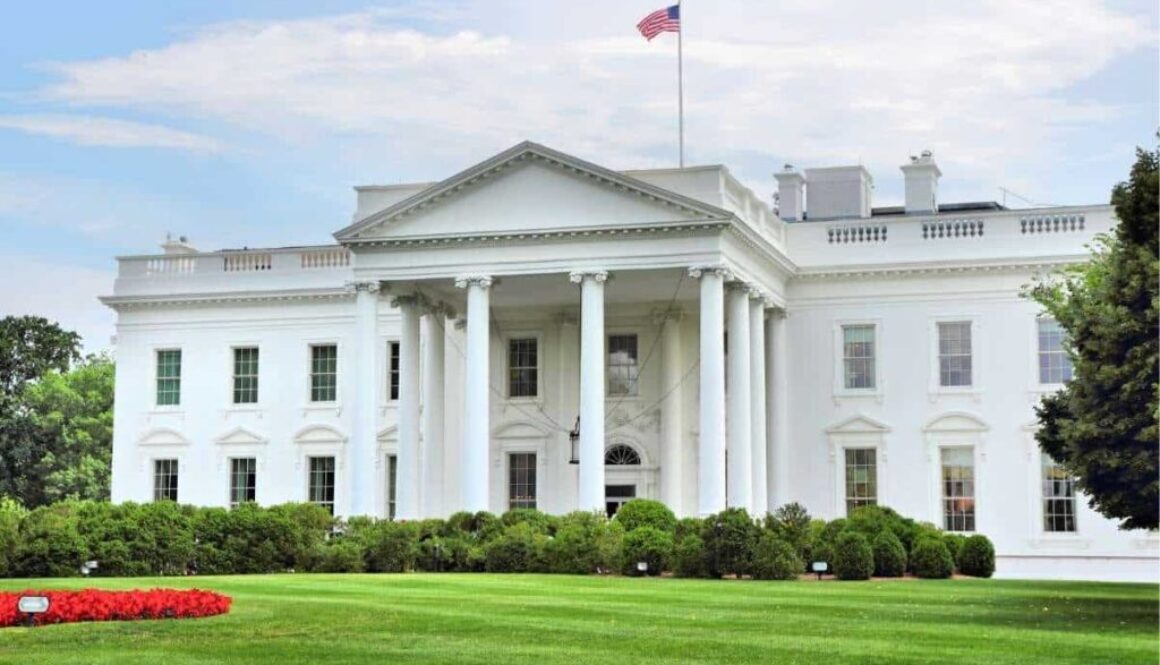
The CLARITY Act’s passage probability has collapsed to 28% from 70% earlier this year, after the White House failed to respond to a bipartisan counterproposal on ethics enforcement, signaling that crypto’s most significant pending federal regulatory framework faces a sharp decline in near-term viability. For institutional investors positioning around U.S. crypto policy, this silence represents a critical inflection point that could delay comprehensive digital asset regulation by months or years.
- White House did not respond to a counterproposal by Senators Thom Tillis and Ruben Gallego on ethics enforcement provisions.
- Passage probability for CLARITY Act has fallen to 28%, down from approximately 70% at the start of 2024.
- No deal on the bill’s largest outstanding issue has materialized before a potential vote scheduled for this week.
- 28% Current passage odds for CLARITY Act versus 70% earlier in year
- 70% Peak probability earlier in 2024, now down to current 28 percent
- One week Timeframe remaining until potential vote on cryptocurrency regulatory legislation
The CLARITY Act, legislation designed to define which federal regulator oversees cryptocurrency spot markets and establish clearer guardrails for digital asset trading and custody, has entered a critical stall.
After a weekend that supporters had marked as pivotal for legislative momentum, Eleanor Terrett, a journalist covering policy, reported that the White House declined to engage with a specific compromise proposal from two centrist senators on Monday.
The counterproposal, championed by Republican Senator Thom Tillis of North Carolina and Democratic Senator Ruben Gallego of Arizona, would have strengthened ethics enforcement mechanisms by allowing state attorneys general to pursue federal officials for violations related to crypto regulation.
The silence from the executive branch signals either a breakdown in negotiations or a deprioritization of the bill at a moment when a floor vote was expected to occur within days.
Prediction markets and Washington policy analysts, whose track records on legislative outcomes have grown more reliable in recent cycles, now assign only a 28% probability to passage, a devastating collapse from the roughly 70% odds that prevailed in the opening months of 2024.
That roughly 42-point swing within a single year reflects not a gradual erosion but a sudden loss of momentum, likely tied to the unresolved ethics language. For institutional crypto firms that have spent millions on lobbying and compliance infrastructure in anticipation of CLARITY becoming law, the shift demands an urgent reassessment of regulatory timelines and lobbying strategy.
Tillis-Gallego Ethics Proposal Breaks Down as White House Engagement Stalls
The counterproposal that triggered the current impasse centers on a specific governance mechanism: empowering state attorneys general to investigate and enforce rules against federal officials who violate ethics standards in the execution of crypto regulation.
Tillis and Gallego introduced this language days before the weekend that was expected to yield final negotiations, signaling bipartisan support for stronger oversight of federal regulatory behavior.
The proposal represented a compromise between consumer protection advocates who feared crypto regulatory capture and industry players who wanted clearer guardrails without what they viewed as overreach by any single federal agency.
The White House’s failure to respond to this counterproposal is not a minor procedural delay. In legislative negotiations at this stage, when a bill is 48 to 72 hours from a potential floor vote, silence from the executive branch effectively constitutes a rejection.
Administration officials with decision-making authority must explicitly endorse or counter-propose language if a vote is imminent; no response implies either that the administration lacks consensus internally or that it has chosen not to prioritize resolving the issue before a vote.
That interpretation is reinforced by the fact that broader CLARITY negotiations have been underway for months. The framework of the bill, designating the Commodity Futures Trading Commission as the lead regulator for spot crypto markets and the Securities and Exchange Commission for tokenized securities, was finalized long ago and enjoys bipartisan support.
The only item keeping the bill from passage is the ethics enforcement language, a relatively narrow technical question. The White House’s non-response, therefore, reads not as a request for more time but as a signal of deprioritization.
Passage Odds Plunge 42 Points as Legislative Calendar Compresses
The shift from 70% to 28% passage probability within a year reflects the compound effect of multiple delays and unresolved technical disputes. Early 2024 saw genuine momentum: both chambers had sympathetic members, the regulatory jurisdiction question appeared settled, and industry lobbying had moved several moderates toward support.
By summer and fall, however, consumer protection groups, notably citing concerns about custody standards and whistleblower protections, introduced competing language that complex to reconcile with the Tillis-Gallego ethics framework.
The prediction market consensus, derived from betting on congressional outcomes on platforms such as Kalshi and PredictIt, has become a more reliable indicator of legislative fate than public statements from sponsors. A 28% probability suggests that even money-motivated analysts now believe passage in the current Congress is unlikely.
If the vote occurs this week without resolution of the ethics issue, the bill will likely fail or be pulled from the floor. If it is pulled, it must restart in the next Congress in January 2025, which will reset negotiations entirely and require sponsorship from new committee chairs.
For institutional investors, the implications are substantial. A regulatory framework that clarified CFTC jurisdiction over spot bitcoin and ethereum markets, and SEC authority over tokenized securities and alternative tokens, would have reduced compliance ambiguity and potentially unlocked institutional capital flows into spot crypto products.
The continued absence of such clarity has already prompted some institutional asset managers to delay or scale back crypto allocations. A failed CLARITY Act would likely extend that period of regulatory uncertainty into 2025 and beyond.
Vote Expected Within Days as Tillis and Gallego Seek Last-Minute White House Engagement
The timeline is compressed. Reports indicate that a floor vote on CLARITY could occur within the week, though sponsors have not confirmed an exact date. If a vote proceeds without White House endorsement of the ethics language, the bill faces real risk of defeat, particularly if it loses a handful of moderates from either party who are sensitive to ethics and oversight concerns.
Tillis and Gallego are expected to make one more push for White House engagement before the vote, according to sources familiar with negotiations. The two senators have framed the ethics provision not as anti-business but as a standard governance mechanism that strengthens the credibility of whatever regulatory regime emerges.
Their pitch to the White House is that endorsing the provision would actually accelerate passage by removing the last major source of Democratic hesitation.
The immediate open question is whether White House officials will respond to Tillis and Gallego before the vote scheduled for this week. If the administration provides written feedback, either endorsing the ethics language, offering a counter-proposal, or formally objecting, the legislative outcome becomes legible. If silence persists through the floor vote, the bill will likely fail or be withdrawn, forcing crypto regulatory uncertainty to carry forward into the 118th Congress and resetting negotiations on jurisdiction, custody standards, and enforcement mechanisms from the beginning.