
Trump scrapped a proposed 20% Strait of Hormuz transit fee within 24 hours
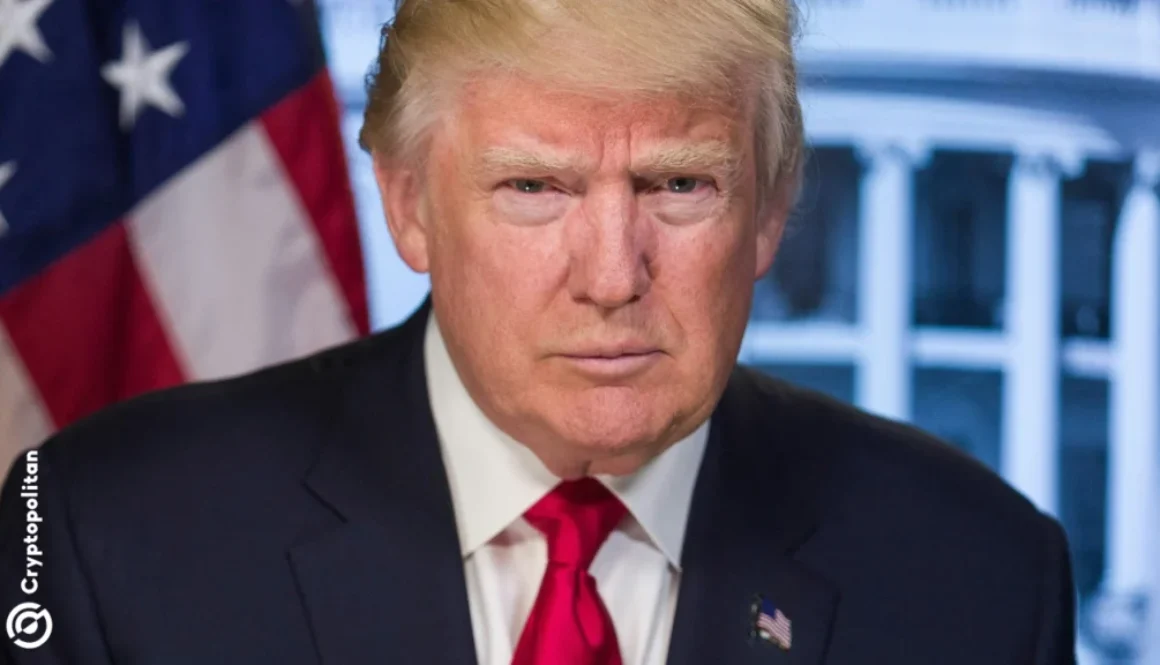
President Donald Trump reversed course on a proposed 20% shipping fee for vessels passing through the Strait of Hormuz on Tuesday, less than a day after announcing it, saying Gulf nations had offered large investment deals in its place.
Trump made the announcement on Truth Social, saying he would swap the transit fee for trade and investment agreements with Gulf states.
“Based on highly productive conversations with Middle East leadership, I have decided to replace the 20% United States Reimbursement Fee with Trade and Investment Deals that the various Gulf States will be making into the United States,” he wrote, adding the investments would be “massive” and good for both sides.
Later, Trump told reporters that several foreign leaders had called him and asked him to take a different approach. He said kings and emirs wanted to invest billions of dollars in the United States instead.
However, he did not name any countries, announce any signed deals, or provide a timeline. He only said the investments would be “massive” and beneficial for both sides.
As of Tuesday, Gulf governments had not publicly responded.
Industry and legal experts push back
Strong outcry from the maritime industry, international organizations, and legal experts who claimed the proposal was illegal led to the decision being overturned.
The tax would have increased the cost of a single cargo by tens of millions of dollars if it had been put into place. A fully loaded natural gas carrier would have paid about $17 million, according to Lloyd’s List estimates.
Analysts also estimated the fee would have added around $16 to the price of every barrel of oil at $80 per barrel, while a very large oil tanker carrying 2 million barrels would have faced a $24 million charge per trip if oil was priced at $60 per barrel.
Petras Katinas, a research fellow in climate, energy, and defense at RUSI Europe, warned that the fee could set a dangerous precedent.
He said if one country starts charging such tolls, other countries may follow and introduce similar fees on their own trade routes. “So, we are totally undermining international maritime law, which is already in a fragile situation.”
Regardless of whether the fee was $200 or $20 million, Lloyd’s List editor Richard Meade was as blunt, stating that “there is no legal basis for charging vessels to exercise their right of transit passage through an international strait.” Whether these demands originated in Washington or Tehran, he continued, was “largely beside the point.”
The United Nations’ International Maritime Organization added its voice, saying it was “firmly against charging fees for passage through straits used for international navigation” and that “there is no legal basis through which to introduce mandatory tolls simply to transit through a strait.”
Opposition from within the administration
Even members of Trump’s own administration had previously opposed the concept.
Secretary of State Marco Rubio said last month that charging fees on international waterways was already illegal under existing law.
As recently as June 25, at a Gulf Cooperation Council meeting in Bahrain, Rubio had warned that Iranian tolls in the strait would trigger “total chaos” and spread “like a contagion.”
The fee was scheduled to go into force at 2000 GMT. Less than five hours prior to that deadline, Trump made it clear that the strait was still open to all commerce, with the exception of ships connected to Iran, which would stay under blockade.
“I like that actually because I don’t think anybody should be able to charge a fee for the strait,” Trump said, though he maintained that the U.S. deserved some benefit for keeping the waterway secure.
Whether the promised Gulf investments will take any concrete form, or simply serve as cover for a quick retreat from a plan widely seen as unworkable, remains unclear.
Overall, the promised Gulf investments currently appear to be a weak and uncertain substitute for the canceled shipping tax, given the lack of specifics and the strong legal and industry opposition that forced the rapid reversal.
The smartest crypto minds already read our newsletter. Want in? Join them.