Key takeaways
- NFTrade is a cross-chain NFT marketplace aggregator supporting Ethereum, Binance Smart Chain, and Avalanche with plans to add Polygon and non-EVM blockchains.
- The platform offers a complete NFT lifecycle solution including minting, buying, selling, trading, swaps, and staking capabilities in one interface.
- NFTrade launched mainnet after six months of development and is offering zero fees for the first six months to differentiate from competitors.
- The platform aims to aggregate NFT data across blockchains to provide complete transaction history and information for each NFT since creation.
- Future expansion plans include WAX and Flow blockchains to connect currently siloed NFT ecosystems and provide users seamless cross-chain experience.
From game skins to an NFT aggregator
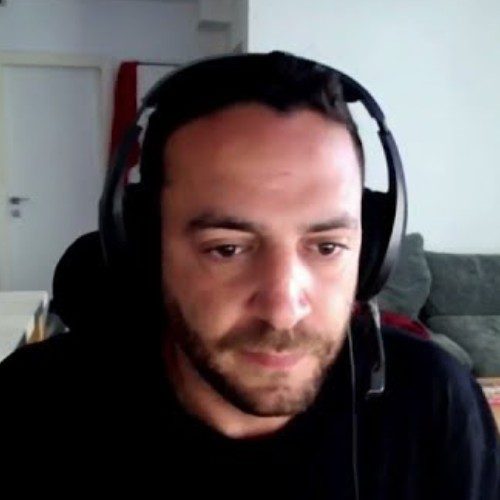
Ashton Addison: What is NFTrade, and what problem did you set out to solve?▶ 00:22
Ori Levi: We started development last year, when we first had some exposure to NFTs. The first thing that came to mind was how much NFTs resemble game items, and I think gaming will be one of the main areas where NFTs take their fair share of the market. The thing the current platforms lacked was NFT swaps. I play Counter-Strike, and I was always trading weapons and skins with other players, one for one or two for one. I could never find that feature on any of the NFT platforms, and that's what started NFTrade.
Ashton: NFTrade is more than a marketplace. What is the full scope of what you've built?▶ 02:31
Ori: We evolved from swaps into a one-stop shop for the whole life cycle of an NFT. You can mint, sell, trade and buy NFTs on our platform. You can also farm NFTs with projects that are creating their own farms to reward users who hold and stake their tokens, and we will add NFT staking to earn tokens. Our main feature, though, is being an aggregator, an index of all NFTs from all blockchains. Wherever the data is on-chain, we'll track it, so users can see what has happened to an NFT since its creation, where it has traded and what it sold for. We're live on mainnet on Ethereum, Binance Smart Chain and Avalanche, which we launched two days ago. We're adding more EVM-based chains like Polygon, and we're working on non-EVM chains, which is a bit trickier.
I've seen so many projects that either don't deliver or take way too long after their token launch.
Going multi-chain: Avalanche, WAX and Flow
Ashton: Why did you add Avalanche so early?▶ 05:18
Ori: Avalanche currently has around 10 NFT marketplaces, which I think is quite significant, and that's one of the reasons we implemented it right after Ethereum. We also have a close connection to the Avalanche team. They've been very supportive, and we consider ourselves basically partnered on this. We integrated both Binance Smart Chain and Avalanche only two weeks after launching our Ethereum mainnet, and we got all the help we needed to make a fast implementation.
Ashton: Is WAX on your list, or are there other chains you're targeting?▶ 06:56
Ori: WAX and Flow are definitely our next goals. WAX holds a huge market share, and what they've created allowed NFTs to be very cheap, which let the younger crowd dabble with them. Flow is Dapper's chain, home to NBA Top Shot and others. Unfortunately there's currently no place to really interact with those NFTs, because they're in their own world. That's what we're trying to solve by connecting all of them, so users don't feel like they're on different networks.
Launching early in a young market
Ashton: What was the journey to mainnet, and where do things stand now?▶ 09:09
Ori: It was really important for us to come out with a working product before our public token sale at the end of the month. Lately a lot of projects pop up with not much more than a white paper. I've seen so many projects that either don't deliver or take way too long after their token launch. We started development in January and it took around six months to reach mainnet, which I think is a good amount of time. Everything works, but we don't yet have the volume we hoped for. That will just need more marketing, and charging no fees for the first six months should differentiate us from other marketplaces.
Ashton: How early is the NFT market, and how do you read the current slowdown?▶ 11:49
Ori: We're very early. It's insane how early it is. I just came back from the Miami conference. It was a Bitcoin conference, but most of the other crypto events were all about NFTs. NFTs are definitely the next big thing, and everyone is very bullish on them, even though trading volume is lower than what we saw around March. I believe that's natural. There was a big hype, and now it's settling and will mature. A lot of new use cases are being built as we speak.
NFTs are definitely the next big thing, and everyone is very bullish on them.
Token utility and the roadmap
Ashton: What will the NFTrade token do?▶ 13:04
Ori: Eventually the token will have a governance utility, so holders can help us make decisions about our roadmap and big features. In the short term it will give discounted fees, and holding enough tokens in your wallet will even mean no fees for trading on our platform. The long-term plan is a DAO governance token.
Ashton: What are the major milestones for the rest of 2021?▶ 14:22
Ori: The main ones are the Flow and WAX integrations, and native iOS and Android apps. Another major one is credit card integration, which we believe will make a huge difference. We looked at the statistics, and the best-performing marketplaces were the ones that let you pay with a credit card. NFTs are widely used by non-crypto people, and lots of art collectors are already in the game. They've been using their Amex, not their Ethereum. As soon as we implement that, it will make a major difference to our volumes.
This interview has been edited for length and clarity. Recorded June 2021.