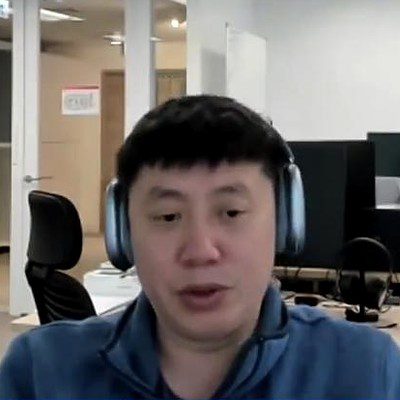
Key takeaways
- Linear Finance is a cross-chain synthetic asset protocol allowing users to stake tokens, generate stablecoins, and trade synthetic versions of crypto, commodities, currencies, and indices.
- Linear Finance launched during DeFi summer when Ethereum gas prices were high, prompting the team to build on Binance Smart Chain as an EVM-compatible alternative.
- Linear Finance bridges Ethereum and BSC, with planned integration into Polkadot ecosystem through Moonbeam and Moonriver to provide users access to multiple blockchain ecosystems.
- Layer 2 solutions will coexist with Layer 1 sidechains long-term, as Ethereum 2.0 and sharding improve scalability but still require L2s for settlement and cost efficiency.
- Linear Finance's strategy is to follow user adoption across multiple chains, with BSC currently serving users while planning eventual migration to Ethereum Layer 2 solutions.
What Linear Finance does, and why synthetics matter
Ashton Addison: Can you give us a high-level overview of Linear Finance?▶ 00:22
Kevin Tai: Linear Finance is a cross-chain, multi-chain synthetic asset protocol. Users stake Linear tokens to generate our stablecoin, then use that stablecoin to buy assets on our exchange, with practically unlimited liquidity and limited slippage. You can invest in synthetic versions of crypto, commodities and currencies. We also have a number of indices, including DeFi indices, which are almost like synthetic ETFs.
Ashton: How have synthetic assets evolved in crypto?▶ 01:13
Kevin: Quite quickly, because smart contracts let you generate tokens whose underlying value is based on a synthetic version of Bitcoin, Ethereum or certain financial positions such as options. We've seen a very large explosion of synthetic assets in DeFi, and it mirrors what we see in the traditional financial industry. People use them either to speculate, say on synthetic versions of Tesla or certain ETFs, or simply to hedge. In a very short time, DeFi has reached the point where investors have more advanced financial products to use.
From Linear's perspective, we go where the users are.
Going cross-chain: Ethereum, BSC and Polkadot
Ashton: How does Linear work across multiple blockchains?▶ 02:58
Kevin: We are native on Ethereum, and we bridged people over to Binance Smart Chain. Users stake, build their stablecoin, and invest or use the exchange on BSC. Because we have an Ethereum bridge, you can bridge your tokens back to Ethereum if you want to use them in other DeFi protocols there. That gives you access to both Ethereum and BSC DeFi. Hopefully soon we'll also reach the Polkadot ecosystem through Moonbeam, and Moonriver on Kusama. That's how we envision cross-chain working for us.
Ashton: Why did you build the transaction layer on Binance Smart Chain?▶ 04:40
Kevin: We launched in the midst of DeFi summer. Ethereum was at about 15 transactions per second and gas prices were getting very high, so users were being priced out. That's why we chose to do transactions on Binance Smart Chain. The number of chains we could launch on was quite limited then. BSC was one of the bigger and better EVM-compatible chains available, and Solana's development wasn't there yet. So it was a conscious decision.
Ethereum 2.0, Layer 2s and the side chain question
Ashton: If Ethereum solves its scaling problems, will side chains still be needed, and how would Linear adapt?▶ 06:46
Kevin: Ethereum 2.0, with proof of stake and sharding, lets more transactions go onto Ethereum. But it doesn't fully solve the scalability issues, so there will still be a need for Layer 2 solutions built on top, with Ethereum ultimately becoming a settlement layer. Ethereum has the biggest network and long-standing dapps, and it's secure, which appeals to institutions as well as new users. But Layer 2s still pay Ethereum fees to get onto the chain, so they may end up a bit more expensive than other Layer 1 side chains. Those side chains still have a purpose, perhaps for high-volume transactions, so I see everybody coexisting. From Linear's perspective, we go where the users are. That's BSC today, and Polkadot as users emerge there. Our end game will likely be back on Ethereum in some form of Layer 2.
Ashton: What is the difference between a Layer 1 side chain and a Layer 2 solution?▶ 09:43
Kevin: Layer 1 side chains are essentially EVM-compatible. They're built very similarly to Ethereum, and you can deploy practically all of your smart contracts, perhaps 95 to 99 percent, onto something like Binance Smart Chain. Solana is not EVM compatible right now and is built in Rust. Layer 2 solutions, which use things like roll-ups, are built on top of Ethereum. You process transactions on the Layer 2 chain, then batch them, roll them up and put them back onto Ethereum. That lets you scale Ethereum while maintaining its security and, hopefully, its decentralization, though that is a bit controversial at times. Ethereum can go from about 15 transactions per second to somewhere between 1,000 and 4,000, and further as Ethereum 2.0 comes out. People will do their transactions on Layer 2s and settle through Ethereum when they need to get out.
Crypto is just a small drop in the pond versus traditional finance in synthetic assets and derivatives.
Who it's for and where structured products are going
Ashton: Who is Linear's target audience, given how technical this is?▶ 11:46
Kevin: We try to touch all the markets, and in many cases it is about financial inclusion. Not everybody can get access to certain tokens, and through our indices you can get price exposure to assets that are difficult to find on the exchanges available to you. Linear is not the simplest protocol, because you have to stake and adhere to collateral ratios, so a lot of it is education. We put effort into the UI and UX and into community management. Our Discord channel has admins available 24/7 to answer questions and support your trades. We try to have touch points for everybody in the crypto world, including new joiners.
Ashton: Where do you see tokenization and traditional markets going?▶ 14:10
Kevin: Crypto is just a small drop in the pond versus traditional finance in synthetic assets and derivatives. But you're right that we'll see continued explosions of derivatives and advanced structured financial products. With NFTs, it's not just JPEGs. They can also hold unique financial products. Some protocols have been doing options for a while, and in DeFi I'm seeing more and more structured products. People are building ETFs and CDOs and tranching risk. Waterfall DeFi, for example, tranches yield farms into separate types of risk. People are getting more refined in how they invest, hedge and speculate.
This interview has been edited for length and clarity. Recorded February 2022.