Key takeaways
- Citadel Wallet is developing a hardware wallet specifically for the Hedera ecosystem using advanced ARM microprocessors with built-in cryptographic features and memory protection.
- The wallet addresses security vulnerabilities in existing hardware wallets by upgrading both the secure element and microcontroller components to prevent unauthorized transaction signing.
- Pre-orders for Citadel Wallet will occur on March 29-30 through Hedera Launchpad NFTs, with each NFT guaranteeing a hardware wallet upon market launch at end of 2023.
- Andy Kulikyan brings seven years of electrical engineering experience from security-focused industries including automotive, avionics, and military before founding Citadel Wallet.
- The project partners with Hedera Starter for firmware development, combining Hedera expertise with low-level IoT device programming experience.
From avionics to Hedera
Ashton Addison: What is your background, and how did it lead you to Hedera and then to Citadel?▶ 00:21
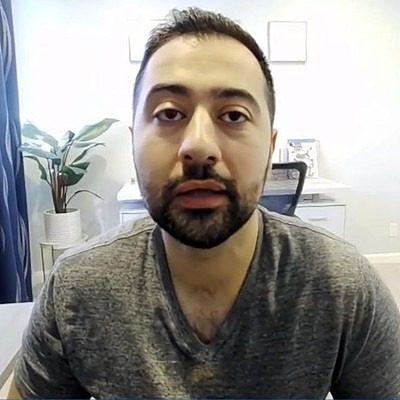
Andy Kulikyan: Before blockchain, I was an electrical and hardware engineer. I graduated in 2016 and went straight into the industry, building systems focused on security in automotive, avionics and the military. Around 2017 I got interested in crypto, initially as an investment, a new asset class trying to decentralize finance. But there was a lot of hype, and I was disappointed by how much the technology lacked compared with what projects were promising. Around 2018 I learned about Hedera and Swirlds Labs, which was a private company then, selling licenses to the hashgraph technology Dr. Leemon Baird invented. I read the white paper, listened to a lot of his lectures, and I was hooked. If any technology in Web3 can become real financial infrastructure to decentralize traditional finance, it has to be Hedera. I joined as a community member and promoted the network on Twitter. With my background in security-focused systems, I felt something was missing. The hardware wallets in the ecosystem lacked maturity. It felt like nobody cared about product development and people just wanted to make some money. I saw a real gap for a hardware wallet that is very user-friendly, very secure, and supports many more services than crypto transfers. Crypto transfers are going to be the most boring part of what you can do with these networks.
If someone can access the microcontroller, they can communicate with the secure element and sign transactions without ever getting access to your private keys.
Closing the microcontroller gap
Ashton: How did you analyze existing hardware wallets, and where does Citadel fit in?▶ 04:11
Andy: A hardware wallet has two main components: the secure element, which protects and holds your private keys, and the microprocessor, which communicates with the outside world. The secure elements in these wallets are pretty high security. But the microcontrollers were very generic components, and that's an attack vector. If someone can access the microcontroller, they can communicate with the secure element and sign transactions without ever getting access to your private keys. I dug into the hardware and software architectures, and I also looked at the secure IoT industry for new technologies that none of these wallets were aware of. I found an Arm microprocessor with a brand-new architecture focused on secure applications. It has cryptographic features and memory protection built in at the hardware level. Combined with our secure element, which I believe is higher security than anything else on the market, that takes the device's security to a whole new level. Software matters too, so I partnered with HeadStarter, which has a talented and experienced development team. Some of the developers had experience with low-power IoT devices, which requires different expertise than web programming in JavaScript. Their understanding of Hedera combined with low-level device code was the perfect match, and they have already developed most of the firmware.
Ashton: Will the device handle tokens and NFTs across the Hedera ecosystem?▶ 14:44
Andy: It will support anything on the Hedera network. You will be able to store NFTs, tokens, stablecoins and HBAR, and sign all the transaction types Hedera supports: smart contracts, scheduled transactions, NFT transfers and associations, and HBAR transfers. Because we focus on Hedera specifically, we can make it truly native. With this device you don't need to move assets between software and hardware wallets. In DeFi, people often move assets out of their hardware wallet to sign smart contract transactions, and that's a huge risk to their assets. The goal here is that you pair the device with a software wallet, sign any type of transaction, power off, and you're good to go.
Pre-orders, NFTs and a first look
Ashton: When can people pre-order, and how do the NFTs fit in?▶ 08:49
Andy: Pre-orders happen on March 29 and 30 on the HeadStarter launchpad, through NFTs. We're combining Web3 with the hardware wallet. If you buy an NFT, you become part of the NFT project, which comes with many utilities associated with Citadel Wallet. Every NFT also comes with the hardware wallet itself. We estimate going to market at the end of this year. You'll go to the website, connect your wallet, and we see the NFT in it. You claim your hardware wallet, and we ship it to your address. We're experimenting with Web3 and trying to bring the benefits of NFTs into this project to help us build the brand and the community.
Ashton: What does the prototype look like and how does it work?▶ 10:08
Andy: The first prototype is gray, and we'll offer multiple colors. It has a metallic stainless steel band to protect the electronics if you drop it. The display is a full-color touch screen, and there are two buttons: one for powering the device and one for approving transactions. This is the beta firmware. On first start it asks whether you want to create a new wallet or import an existing one, similar to the Ledger experience. If you create a new wallet, you set an access PIN, and then it shows the mnemonic phrase you need to write down on paper or a metal sheet. Your private and public key pair is generated from that phrase. You scroll through the words on the touch screen with no buttons to push. Then it waits for transactions. You can pair it with HashPack, one of the leading software wallets in the ecosystem, and we plan to support others. Right now we're signing HBAR transfers, NFT transfers and native staking. The final version will have a much slicker UI. For now we've focused on making sure all the functions and the security are taken care of.
Crypto transfers are going to be the most boring part of what you can do with these networks.
Where Hedera goes from here
Ashton: How bullish are you on Hedera and the HBAR token, and where do you expect growth?▶ 16:02
Andy: Hedera was initially more focused on enterprises, building those connections behind the scenes. But the community has been so vocal and has grown so fast that Hedera couldn't ignore it. Now they're getting involved with the community, and we're seeing really good projects come from community members who dived deep into the technology and decided to build. DeFi took off that way, and HashPack has probably 100,000 active users monthly and was started by a team of people who met in this community. I think the right move for Hedera is to lead from both the community side and the enterprise side. Enterprises are quiet because they're competitive and can't talk about something until they've launched it, otherwise bigger companies might pick up the idea and build it first. Talking about applications doesn't bring value anyway. The value comes when they launch and start running high TPS on the network, which attracts more projects and creates a positive feedback loop. We've already seen thousands of TPS daily. I'm not really worried about HBAR's price. I don't even look at it at this point. When a network is valuable and being utilized, that will be reflected in the price. I think the next few years are going to be big for Hedera, especially with AI taking off. Questions about what's real and who generated an identity will matter, and Hedera has been focused on those things since day one.
This interview has been edited for length and clarity. Recorded March 2023.