
 ML
Guest profile
Michael Luckhoo
Founder, ShortCircuit Ventures
Michael Luckhoo is the founder of ShortCircuit Ventures, a Toronto venture studio building products across AI agents, tokenization and the ownership economy.
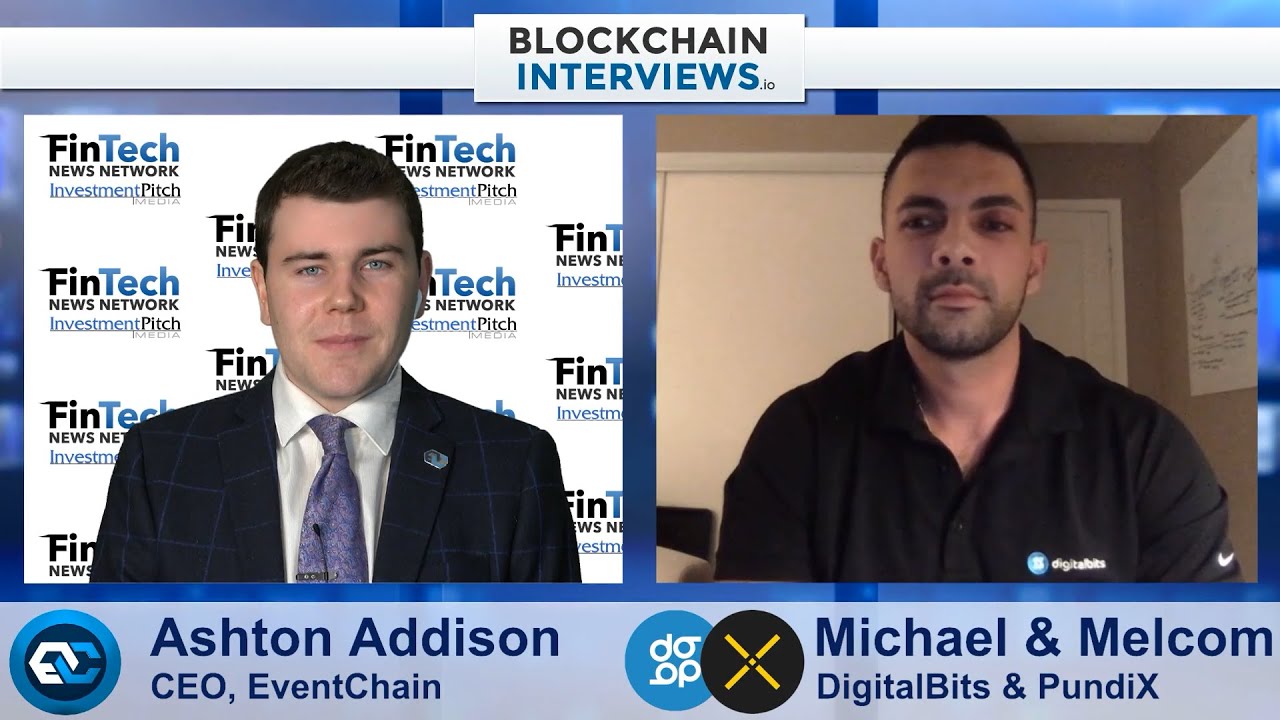
He flew for Air Canada Express for about seven years before moving into blockchain in 2017, holding business development and operations roles at Torus Solutions, Fusechain and DigitalBits, where he helped launch the branded stablecoin initiative. From 2021 to 2025 he co-founded Cirus Foundation, a Web3 project built around data ownership, from a browser extension that paid users for their data to a multi-chain crypto wallet.
ShortCircuit's live products include Fusebox, autonomous engineering agents that ship production code, the dAI Index for building and tokenizing custom indexes on AI infrastructure tokens, Copper Meridian for bringing sovereign-grade real-world assets on-chain, and HTML in Slack, with Claw for Business, an AI operations layer for teams, in build. Alongside the venture work he backs philanthropic projects for developing nations and underserved communities, funded by ShortCircuit's commercial products.
He is a Global Advisor to NeuralVillage, an AI-powered brain health venture in Abuja, Nigeria, grown from the Dr. Ladi Kwali Foundation, which ShortCircuit helped seed.
 30:41
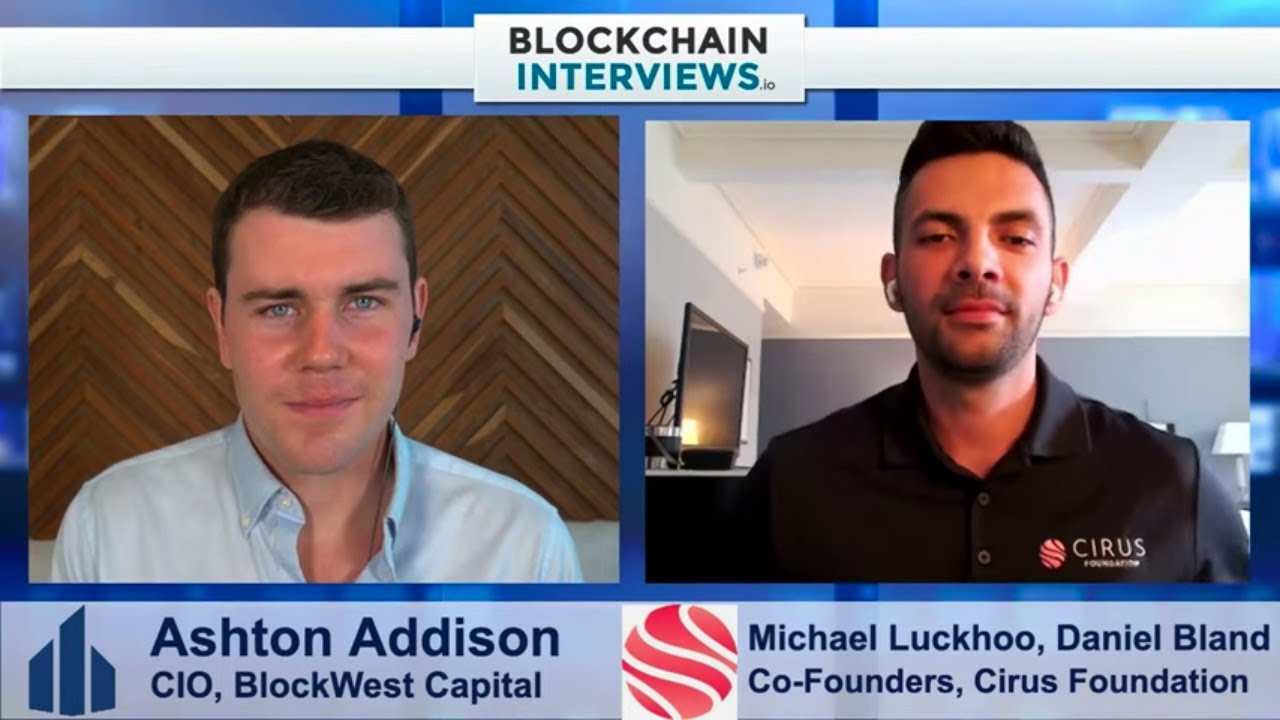
Latest interview · Jan 27, 2025Cirus Foundation lets users earn by contributing data to AIWatch the episode →
Key points
- Data has become the currency of the internet and is the foundational input powering modern AI systems and large language models.
- Blockchain provides a decentralized mechanism to allocate computing resources, record resource allocation, and distribute value through cryptoeconomic incentives.
- Large language models are becoming more efficient and smaller in parameter size, enabling inference and edge computing on consumer devices like laptops and phones.
- Users can contribute to AI development through asynchronous tasks like data structuring, annotation, and labeling rather than computationally intensive model training.
- Distributed computing networks can leverage abundant consumer hardware resources globally instead of relying solely on centralized cloud providers like AWS and GCP.
In their own words
“Blockchain is the mechanism to broadcast and find those resources, record where they're allocated and share value between the two sides.”
“In the web3 world, a wallet is really your account. It's your identity. It's everything that's tied to you.”
“We don't want to change people's behavior. We just want them to be a part of that equation.”
“Data is not one-time use; it's a renewable resource.”
Every appearance on Crypto Coin Show
Latest episode shown above.
 28:58
 25:26
 24:18
 16:36

