
 MS
Max Schwartz, also reported in press as Maximilian or Maximillian Schwartz, is CEO of Anvil Research Labs, the research and development company building enterprise tools for the Anvil protocol.
Anvil is an Ethereum protocol that lets users lock digital assets as collateral to back financial commitments such as payments and credit. Schwartz previously headed the Anvil Project at the Acronym Foundation, which initially designed the protocol. His LinkedIn profile describes him as a certified product leader (CSPO and CSM) with experience in revenue growth. He is known for promoting on-chain letters of credit as a way to secure commitments with crypto without selling the assets.
In 2026 he presented Anvil at Consensus 2026 and the Blockchain Futurist Conference in Toronto, where he discussed secured buy now, pay later models. His current focus is bringing Anvil to businesses and financial institutions through the enterprise SDK released in October 2026.
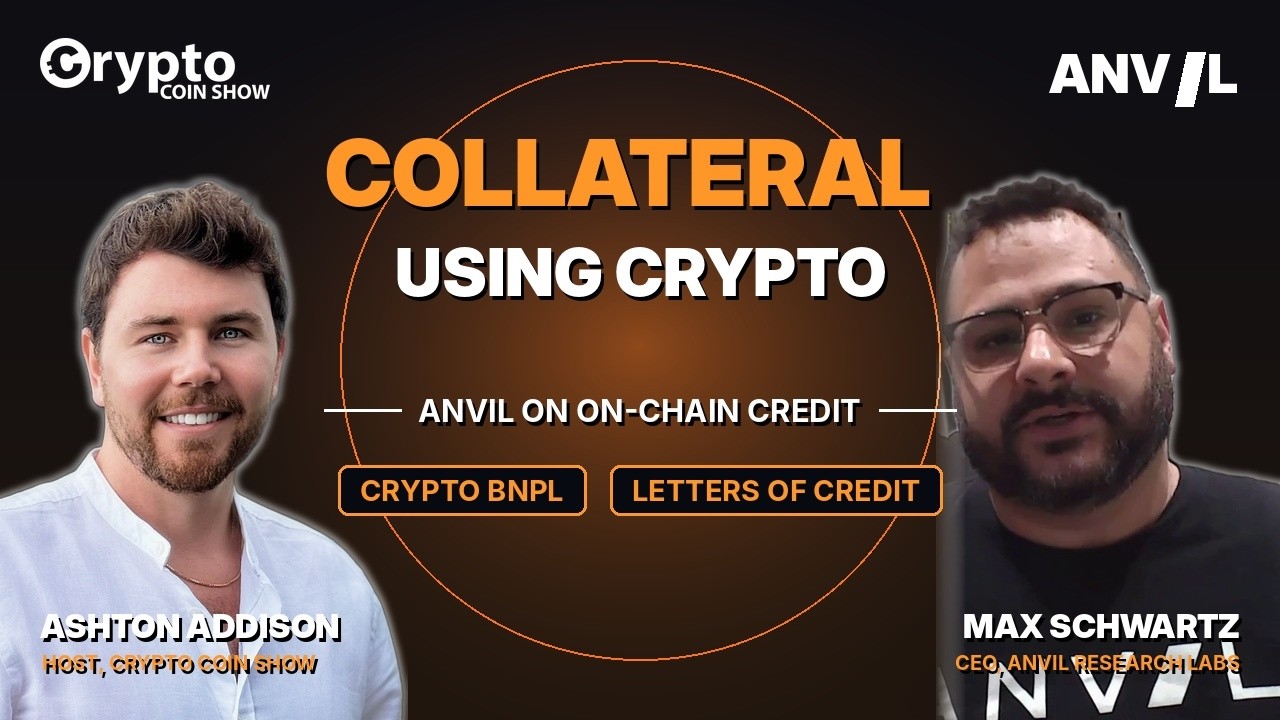 37:08
Latest interview · Oct 6, 2026How Anvil lets you use crypto as collateral without sellingWatch the episode →
Key points
- Anvil's protocol enables crypto holders to use digital assets as collateral for credit without selling or transferring ownership of the assets.
- Digital assets make superior collateral compared to traditional assets because they are instantly accessible, easily valued, and can be automatically repossessed through smart contracts.
- Traditional collateral like real estate and vehicles involve high operational costs, lengthy repossession processes, and unknown asset conditions that increase default risk.
- Institutional adoption of crypto is accelerating because financial institutions recognize the market efficiency gains and cost savings from blockchain-based financial infrastructure.
- Anvil bridges crypto and traditional finance by providing guaranteed value through fully secured credit, eliminating the need for trust-based lending models or credit scores.
In their own words
“The market is open 24/7, 365, and you can liquidate in a block.”
“If you're an institution that uses this, your default rate is now basically zero.”

