
 KR
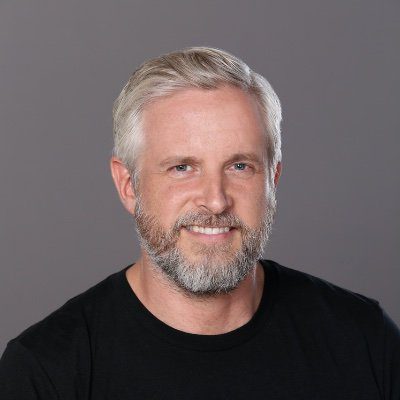
Konstantin Richter is the founder and chief executive of Blockdaemon, a blockchain infrastructure company that provides node, staking, API and wallet services to financial institutions.
A graduate of European Business School who studied in Germany, France and the United Kingdom, he started his career at Deutsche Telekom working on network strategy and commercial models for cellular networks, then moved to Nokia with a focus on digital monetization and payments. He went on to build and exit several software and marketplace businesses, including Audiotube, Lookbooks and Wiredrive, with his last exit in 2017.
Active in blockchain as an advisor since 2015, he worked with projects such as Gem, Po.et and MadHive before founding Blockdaemon in 2017. Under his leadership the company raised about 390 million dollars across three major rounds, reaching a 3.25 billion dollar valuation in its January 2022 Series C, and made five acquisitions, including Gem, Sepior and, in 2025, expand.network.
As of mid 2026 he remains CEO and fronts the company's public briefings on institutional staking and stablecoin infrastructure.
 16:33
Latest interview · Jul 8, 2020BlockDaemon makes it easier for developers to run blockchain nodesWatch the episode →
Key points
- BlockDaemon automates blockchain node deployment and management across different protocols like Bitcoin and Ethereum, eliminating the need for in-house expertise.
- Running a reliable node requires continuous monitoring and synchronization with network consensus mechanisms, which is complex and costly for most organizations.
- BlockDaemon applies traditional InfoSec best practices and ISO compliance standards to blockchain infrastructure, bridging enterprise security requirements with crypto operations.
- Only the largest exchanges typically run node infrastructure in-house; most companies find outsourcing to specialized providers more cost-effective and reliable.
- BlockDaemon supports both public blockchains and permission networks like Hyperledger, evaluating each protocol individually based on business viability and resource requirements.
In their own words
“A note that works 80% of the time isn't really what you need. You need a node that is only functional if it's functional all the time.”

