
 DK
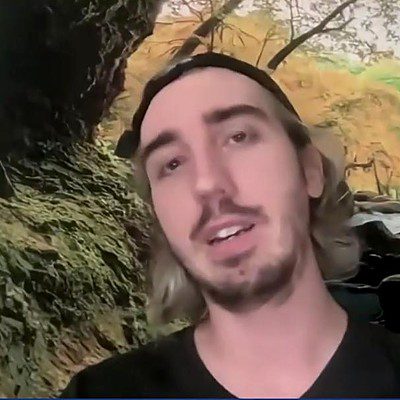
Dylan Kawalec is Head of Developer Relations at Phala Network, where he leads developer relations and partnerships for Phala Cloud.
He has worked in blockchain developer relations and engineering for several years. Earlier roles include Head of Developer Relations and Events at the Findora Foundation and a volunteer contributor and Developer Enablement Manager role at Aleo in late 2022. He was Chief Technology Officer at Invo Technologies from May 2023 to January 2025. He served as Head of Developer Relations at GOAT Network from July 2024 to January 2025, leading developer relations for its Bitcoin Layer 2 effort.
In that role he gave a technical talk at SBC 2024 on GOAT's Layer 2 Bitcoin rollup solution with ZKM. He is also described as the founder of Bridge Builders DAO. At Phala his focus is confidential computing and trusted execution environments for private AI and Web3 applications.
 28:32
Latest interview · Jul 27, 2024GOAT Network enables yield generation on BitcoinWatch the episode →
Key points
- GOAT Network uses Bitcoin scripting and decentralized sequencers to enable staking on Bitcoin while maintaining security without centralized control points.
- The platform creates one-to-one Bitcoin-backed assets on Ethereum through a staking mechanism requiring approximately 100 Bitcoin per sequencer to prevent network attacks.
- GOAT's technology builds on zero-knowledge virtual machine infrastructure from prior team work to enable proof generation and verification across multiple Layer Two rollups.
- Bitcoin's consistent supply and long-term security make it suitable for staking to secure networks while generating sustainable yield for users and sequencers.
- The ecosystem aims to reduce Bitcoin liquidity fragmentation by consolidating staked Bitcoin across decentralized sequencers rather than using separate deposit addresses or trusted bridges.
In their own words
“Instead of one trusted actor, there are many decentralized trusted actors.”
“It's an entangled rollup system connected to Ethereum, but it's staked to Bitcoin through a decentralized sequencing network.”

