‘Facing Deception’: Bitcoin Dumps Below $75K as US-Iran Tensions Threaten to Escalate
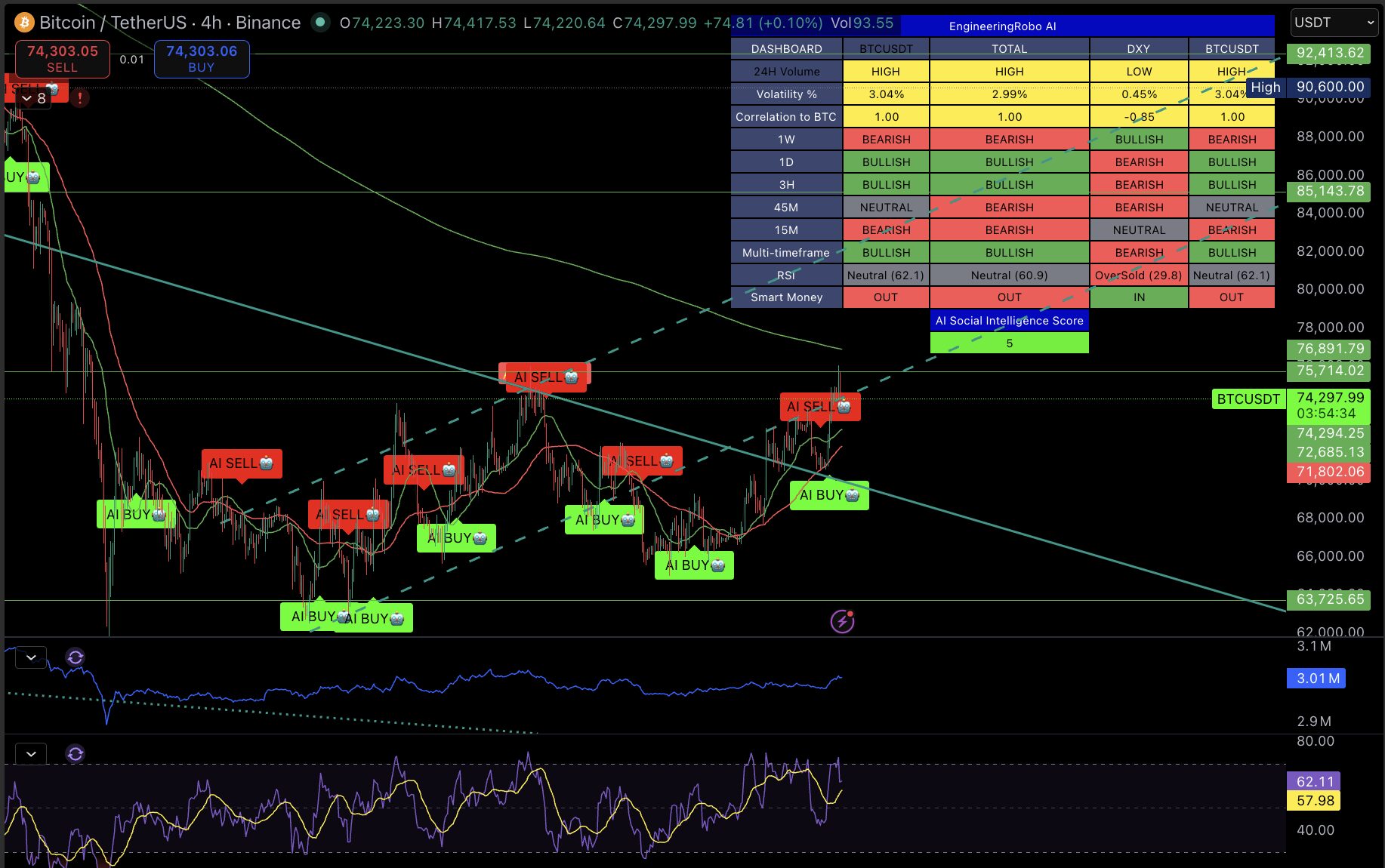
Bitcoin fell below $75,000 on Monday following escalating US-Iran diplomatic tensions and conflicting statements from both governments over the past 72 hours, testing institutional risk sentiment as geopolitical uncertainty threatens to drive sustained volatility into legacy futures markets. The pullback signals that macro risk-off sentiment is reasserting itself over cryptocurrency markets despite recent strength, forcing portfolio managers to reassess positioning ahead of ceasefire deadline expiration.
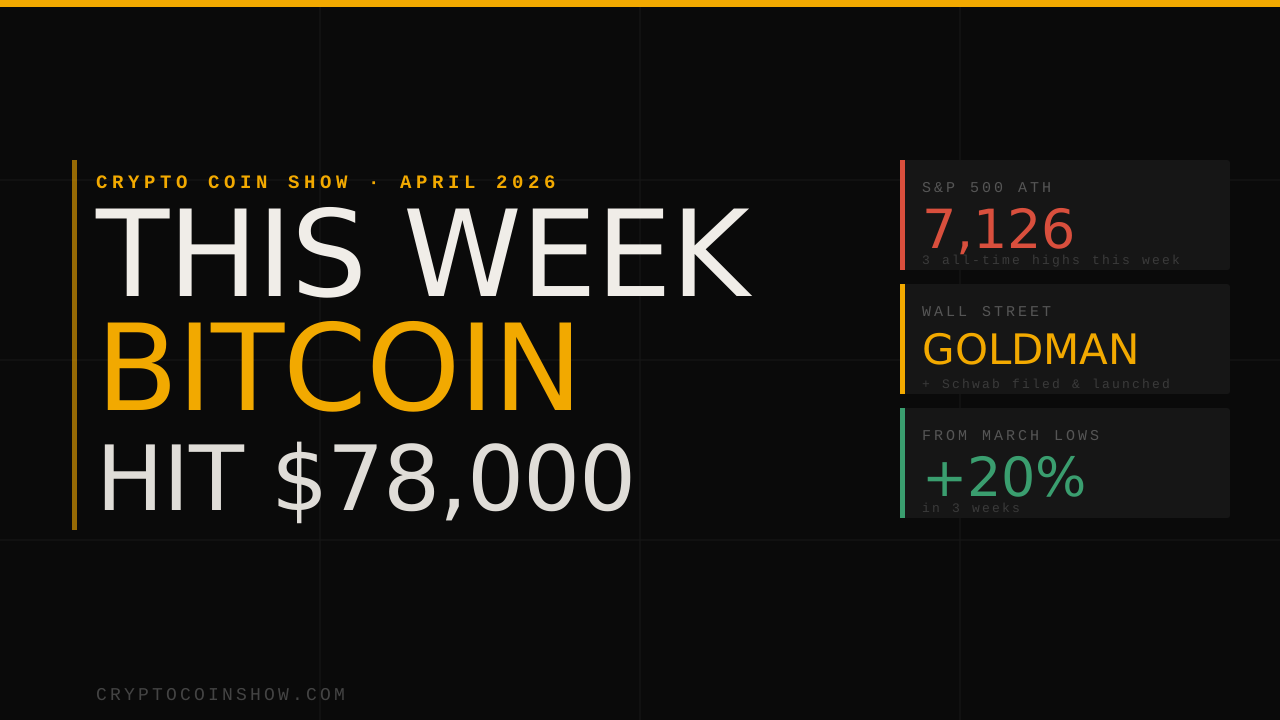
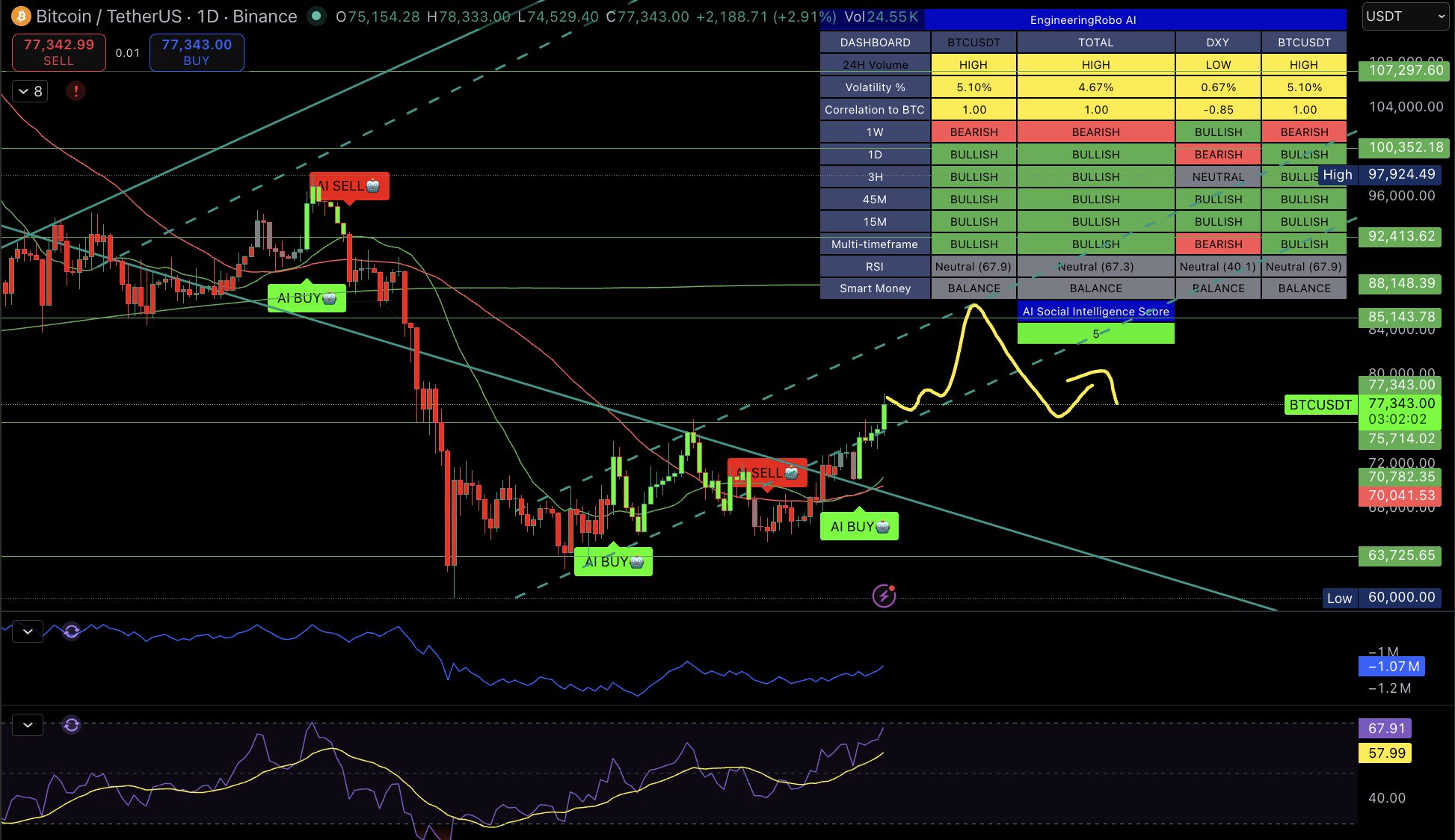
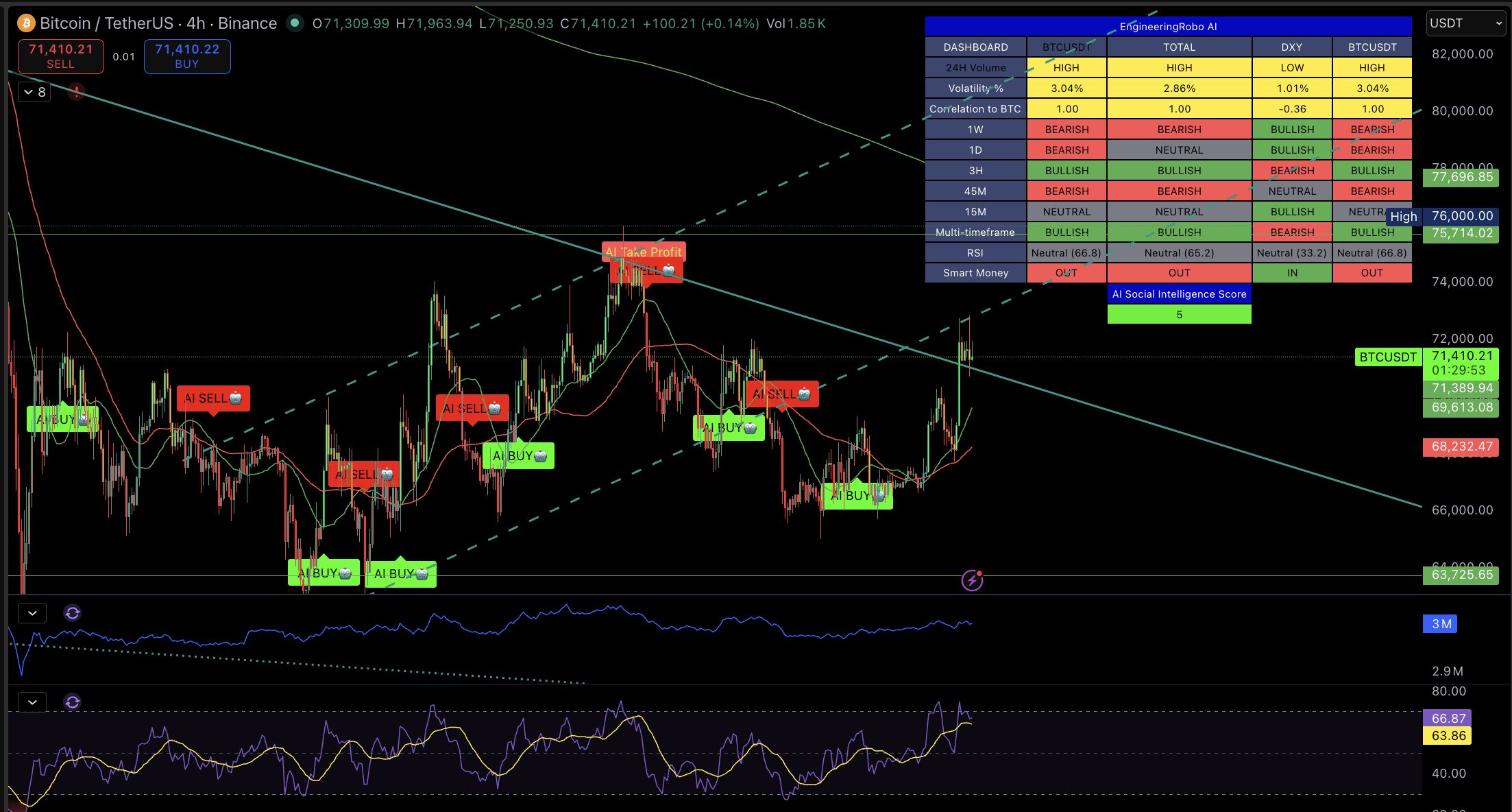
- Bitcoin retreated nearly $4,000 from Friday’s $78,000 peak to below $75,000 by Monday press time.
- Iran’s government accused the US of “facing deception” and warned both nations stand “on the verge of a new round of escalation.”
- Conflicting statements from Trump and Iranian officials over Strait of Hormuz reopening and Pakistan peace talks scheduled within days of ceasefire expiration.
- $78,000 Bitcoin’s multi-month peak before weekend pullback began Friday.
- 72 hours Timeframe of conflicting US-Iran statements triggering investor repositioning.
- $75,000 Support level where bitcoin stabilized by Monday press time.
Bitcoin’s sharp reversal from Friday’s multi-month high of $78,000 to below $75,000 by Monday reflects a widening perception among institutional traders that geopolitical risk premiums are underpriced into digital assets.
The $4,000 intraday decline coincided with escalating rhetoric between Washington and Tehran over the past 72 hours, including contradictory claims about whether peace negotiations will resume in Pakistan and whether Iran’s temporary reopening of the Strait of Hormuz remains in force.
Iranian government officials issued statements accusing US President Donald Trump of orchestrating a “deception” campaign, citing what they characterized as fundamental inconsistency between his public statements and actual US policy implementation.
Simultaneously, Trump threatened military action while claiming to support renewed diplomatic engagement, a mixed messaging pattern that historically triggers flight-to-safety positioning in risk assets including cryptocurrencies.
Trump Threatens “Blow Up” While Claiming Pakistan Peace Talks Imminent
The immediate catalyst for Monday’s selloff was a dramatic escalation in rhetoric from President Trump, who within a 48-hour window made starkly contradictory statements about US-Iran relations. On Friday, Trump issued public gratitude for Iran’s decision to reopen the Strait of Hormuz, a critical global shipping chokepoint through which roughly one-third of seaborne oil exports flow.
Yet the US blockade of Iranian assets remained in place, and Iran reversed course within 24 hours by reclosing the Strait, citing unmet US commitments. Trump responded by renewing military threats while simultaneously announcing that US and Iranian delegations would meet in Pakistan for fresh peace negotiations.
The contradiction between threatening language and diplomatic claims created confusion in markets accustomed to clearer policy signaling from US administrations. Trump explicitly threatened to “blow up” Iran if the two nations failed to reach agreement, language that institutional traders typically associate with heightened tail risk rather than productive negotiation frameworks.
Compounding the uncertainty, Iran’s state-run Tasnim news agency flatly denied that any Pakistan peace talks were scheduled, directly contradicting Trump’s claim. This public disagreement over whether negotiations would occur at all signaled to market participants that either side lacked accurate information about the other’s intentions, or that deliberate deception was underway.
Trump also alleged that internal divisions within Iran’s government were hampering negotiations, a claim that suggested he viewed the Iranian state apparatus as fractured and unpredictable.
Iran Accuses US of “Inconsistency” as Ceasefire Deadline Approaches
Iranian officials responded to the weekend escalation with formal accusations that the United States was engaging in systematic deception. Government representatives stated that Iran believed “the two sides are on the verge of a new round of escalation,” according to reporting from The Kobeissi Letter.
This framing represented a significant hardening of Iran’s diplomatic posture compared to earlier in the week, when both nations had appeared to move toward de-escalation following the Strait of Hormuz reopening. The shift suggested Iranian policymakers were interpreting Trump’s threats not as negotiating theater but as genuine preparation for military action.
The credibility of Iran’s concerns rested partly on documented inconsistencies in US messaging. Trump’s simultaneous deployment of military threats and claims of imminent peace talks created a logical puzzle for foreign policy analysts and market participants attempting to assess actual US intentions.
In institutional trading, such messaging confusion typically widens risk premiums and triggers defensive positioning. Bitcoin’s $4,000 pullback from Friday’s peak reflected exactly this pattern: traders moved to reduce exposure to risk assets when geopolitical uncertainty spiked, treating cryptocurrencies as correlated with broader risk sentiment rather than as uncorrelated portfolio hedges.
The timing of the escalation mattered critically because the existing ceasefire deal between the two nations expires within days, creating a hard deadline for diplomatic resolution.
Futures Market Reopening Expected to Drive Additional Volatility Through Tuesday
Bitcoin’s Monday retreat positioned the market for potentially sharper moves when legacy futures markets reopened on Sunday evening, with additional volatility likely to extend through Tuesday morning US cash market open.
Historical precedent from prior geopolitical weekend events showed that futures market reopening typically triggered either sharp relief rallies (if weekend news proved less severe than feared) or accelerated selloffs (if tensions genuinely escalated).
Traders managing both traditional and digital asset portfolios often used the futures open as a timing mechanism to establish fresh positions or exit existing ones based on how legacy equity indices reacted to overnight diplomatic developments.
The institutional positioning question centered on whether Monday’s $4,000 pullback would hold as a flush of weak hands or trigger capitulation selling once futures markets opened. Bitcoin’s proximity to $75,000 suggested that technical support existed at that level, but geopolitical risk events historically override technical analysis if underlying conditions deteriorate rapidly.
Portfolio managers holding bitcoin as a tail-risk hedge against currency debasement would likely maintain positions through the volatility, while those treating digital assets as momentum plays could face forced liquidations if equity markets sold off sharply on renewed Iran concerns.
The forward calendar also mattered for institutional decision-making. Major option expiration dates and index rebalancing windows would intersect with the looming ceasefire deadline, creating potential flash volatility if news flow accelerated suddenly.
Volatility indices across traditional markets typically expand on geopolitical weekend surprises, and bitcoin has shown historical correlation to these spikes, particularly when they coincide with equity market stress.
The critical date to monitor is the ceasefire expiration within days, combined with the reported Pakistan peace talks that Trump claims are scheduled but Iran denies. If either delegations meet as Trump stated, bitcoin could recover toward $78,000 on relief; if the talks fail to materialize or collapse within hours, institutional investors should expect fresh selling pressure below $75,000 as legacy markets open. Traders should watch for official statements from either the State Department or Iran’s Foreign Ministry confirming or denying the Pakistan meeting, as that binary outcome will likely determine whether Monday’s pullback marks an intermediate correction or the beginning of a more sustained deleveraging across risk assets.