
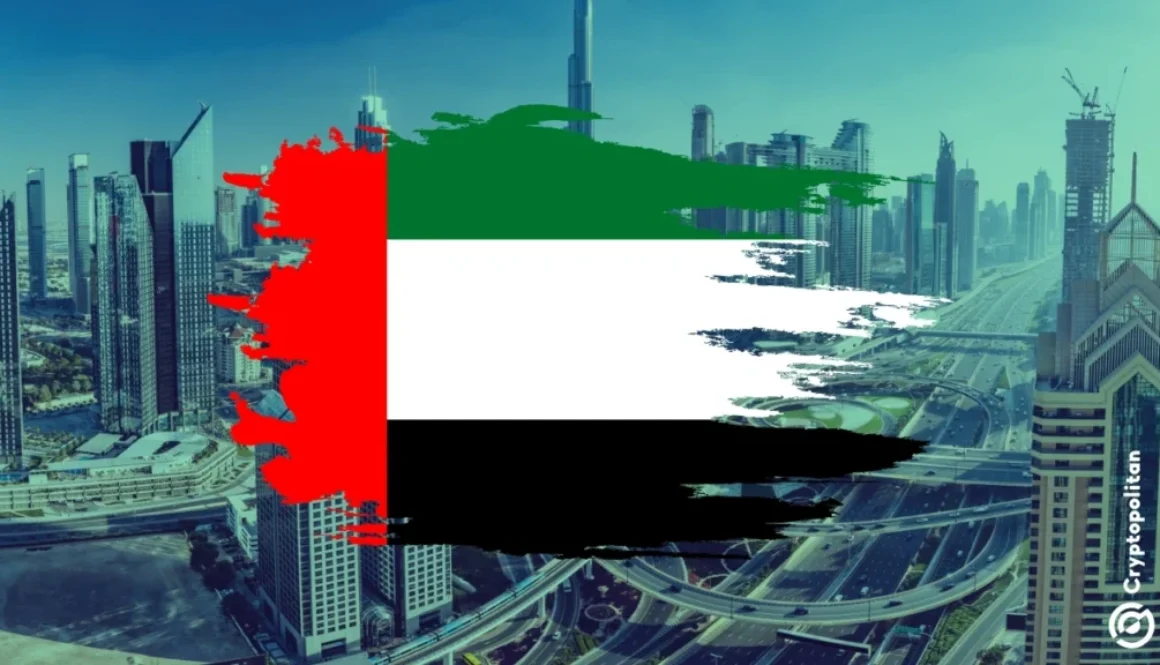
Crypto titans flock to Abu Dhabi seeking big money investments
Major cryptocurrency and blockchain executives converged on Abu Dhabi last week, seeking access to the region’s substantial pools of capital amid a prolonged industry downturn. The influx of industry leaders to the UAE’s capital reflects a strategic pivot toward Middle Eastern wealth centers as alternative funding sources, signaling both institutional appetite for digital assets and the sector’s need for patient capital during challenging market conditions.
The Gulf Capital Hunt
Word circulated through crypto circles that representatives from Abu Dhabi’s sovereign wealth funds—managing approximately $330 billion in assets—were attending regional conferences. The possibility proved sufficiently compelling to trigger a migration of blockchain executives seeking direct access to institutional investors and decision-makers.
Executives moved between conference sessions and private dinners, actively cultivating relationships with royal family members and prominent local investors. The strategy reflected recognition that Gulf-based wealth centers have become critical sources of long-term funding for blockchain enterprises, particularly as traditional venture capital channels have contracted.
Strategic engagement with potential backers across the region’s financial establishment has become essential for blockchain companies seeking institutional validation and capital deployment.
— Industry observers tracking capital flows
Abu Dhabi’s sovereign wealth funds control approximately $330 billion in assets, making the region a significant source of institutional capital for emerging sectors including digital assets and blockchain infrastructure.
High-Profile Industry Presence
Michael Saylor, Executive Chairman of MicroStrategy, numbered among the prominent figures making the Middle East investment roadshow. Saylor appeared at the Bitcoin MENA conference and subsequently acknowledged to reporters that investor outreach represented the core strategic objective of his regional travels.
Saylor disclosed that his company’s stock had declined more than fifty percent from mid-year highs, creating urgency around cultivating relationships with institutional backers. He explained that direct engagement with sovereign wealth funds and other large-scale investors had become a priority for securing long-term capital commitments.
During investor presentations, Saylor positioned Bitcoin accumulation as a fundamental corporate strategy. His materials branded the company as a “rocket fueled by Bitcoin” while articulating what he described as a “$20 Trillion Idea”—framing digital asset acquisition as a primary vehicle for long-term shareholder value creation.
Direct institutional engagement across the region’s financial establishment represents a core component of securing patient capital and long-term funding commitments for blockchain-focused enterprises.
— Michael Saylor, MicroStrategy Executive Chairman
Broader Institutional Momentum
The Abu Dhabi convergence extended beyond single executives. Metaplanet, a Japanese hotel operator with digital asset holdings, and its leadership also participated in the broader institutional push into Gulf markets. Their involvement underscored industry-wide recognition that regional wealth centers now represent essential funding sources for blockchain enterprises.
This shift reflects a fundamental reorientation of capital-seeking strategies within the crypto sector. Traditional venture capital channels have contracted sharply following the 2022 market downturn and subsequent industry challenges. Gulf-based sovereign wealth funds, by contrast, typically operate with longer investment horizons and greater tolerance for volatility in emerging asset classes.
Following extended market weakness and reduced venture capital availability, institutional blockchain companies have increasingly targeted sovereign wealth funds and Middle Eastern investors as alternative sources of patient capital with longer investment timelines.
The concentration of executive-level activity in Abu Dhabi during conference season highlights a deliberate strategic positioning. Rather than waiting for inbound investor interest, blockchain leaders are now actively traveling to regional wealth centers to present investment theses and build relationships with decision-makers.
Industry Context and Market Dynamics
The blockchain and digital asset sector has undergone significant transformation over the past eighteen months. Following the 2022 market collapse and the cascade of high-profile industry failures, traditional venture capital firms have substantially reduced allocations to cryptocurrency ventures. This contraction has forced blockchain enterprises to seek alternative capital sources and diversify their investor base beyond traditional Silicon Valley channels.
The shift toward Gulf capital reflects broader recognition that institutional adoption of digital assets extends well beyond Western markets. Jurisdictions across the Middle East and Asia have demonstrated genuine commitment to developing comprehensive digital asset ecosystems, attracting multinational blockchain enterprises and venture platforms seeking regulatory clarity and institutional support.
Abu Dhabi specifically has emerged as a regional hub for blockchain development and digital finance innovation. The emirate has established dedicated regulatory frameworks for cryptocurrency trading and blockchain infrastructure development, positioning itself as a competitive alternative to traditional financial hubs that have maintained regulatory hostility toward digital assets. This combination of capital availability, regulatory pragmatism, and institutional interest has created powerful incentives for blockchain executives to prioritize Gulf market engagement.
The current venture capital environment amplifies these strategic imperatives. Standard venture capital funds typically require exits within seven to ten years and maintain pressure for rapid scaling and profitability. Sovereign wealth funds operate under different constraints, with multi-decade investment horizons and mandates to explore emerging technological and financial innovations. For blockchain enterprises seeking patient capital capable of sustaining long development cycles, this distinction proves decisive.
Implications for Capital Formation
The Abu Dhabi trend carries broader implications for how blockchain enterprises access institutional capital. Geographical diversification of investor outreach has become essential as the industry navigates reduced domestic funding availability and regulatory uncertainty in traditional financial hubs.
Middle Eastern wealth centers present distinct advantages for blockchain capital formation. Regulatory frameworks in jurisdictions like the UAE have evolved to accommodate digital asset activity, while sovereign wealth funds operate with mandates to explore emerging technologies and alternative assets.
The successful cultivation of Gulf-based capital sources could reshape funding dynamics across the blockchain sector. Unlike venture capital funds with defined exit timelines, sovereign wealth funds can provide multi-year capital commitments with less pressure for near-term profitability or liquidity events.
Executive travel to Abu Dhabi also reflects confidence that institutional adoption of digital assets will continue advancing despite current market conditions. Industry leaders are positioning their organizations as vehicles for capturing long-term value creation in cryptocurrency and blockchain infrastructure, betting that patient capital providers will recognize substantial upside potential despite near-term challenges.
The sustained focus on Gulf capital sources suggests this represents a durable strategic shift rather than a temporary response to market weakness. Blockchain enterprises are building relationships and establishing presence in regional financial centers, positioning themselves for the long-term evolution of institutional digital asset adoption.
Strategic Implications for Sector Development
The migration of blockchain executives to Abu Dhabi and other Gulf financial centers may fundamentally restructure how digital asset ventures achieve institutional scale. Capital formation patterns established during this period could influence sector development trajectories for years to come, determining which blockchain enterprises secure long-term funding and which struggle to maintain operational sustainability.
Success in accessing sovereign wealth fund capital carries significance extending beyond individual transactions. Successful capital deployment from Gulf sources would validate institutional digital asset investment theses and likely trigger expanded allocations from other non-traditional capital sources globally. This could accelerate the shift toward institutional dominance within blockchain sectors and accelerate mainstream adoption of digital asset infrastructure across financial services and enterprise technology.
The Abu Dhabi convergence underscores the crypto industry’s continued appetite for institutional validation and capital deployment. As traditional funding sources remain constrained, blockchain leaders are increasingly oriented toward alternative wealth centers with demonstrated interest in emerging technologies and digital assets.
The coming months will reveal whether these executive roadshows translate into meaningful capital commitments from Gulf-based investors. Success in accessing sovereign wealth fund capital could materially alter funding dynamics for the broader blockchain sector and validate the strategic importance of geographic diversification in capital formation strategies. This evolution represents more than a temporary adjustment to market conditions—it signals a fundamental reordering of how institutional capital flows into blockchain infrastructure and digital asset ventures globally.
Get weekly blockchain insights via the CCS Insider newsletter.