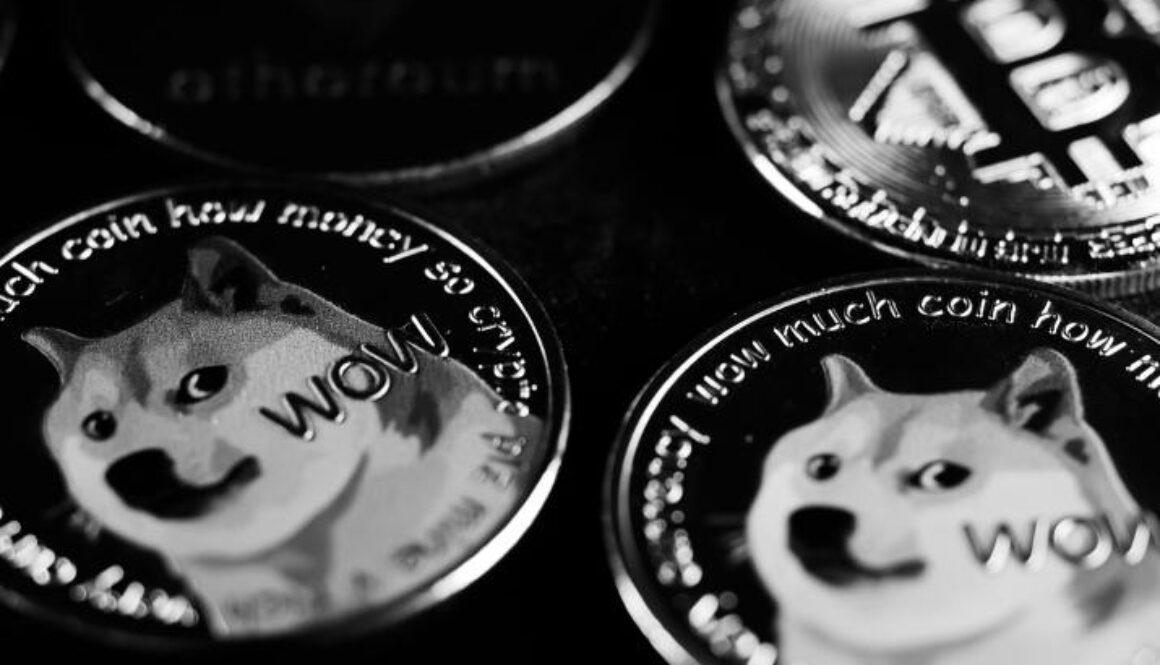
Dogecoin Drops Below $0.09 as Market Weakness Outweighs Musk Hype
Dogecoin has broken through the $0.09 level as a severe cryptocurrency market downturn overwhelms the speculative tailwinds that typically propel meme coins higher. The token has declined more than 20% over the past week, falling victim to broader sector weakness centered on Bitcoin’s sharp losses rather than any fundamental change in DOGE itself.
The speed at which sentiment reversed is instructive for anyone tracking digital asset behavior. Recent comments from Elon Musk initially sparked a modest 4% rally, but the momentum evaporated within hours as selling resumed with conviction. By the end of the trading session, all gains had disappeared entirely, and downward pressure intensified over the following days.
When Celebrity Endorsement Loses Its Power
Dogecoin’s collapse illustrates a critical shift in how markets are currently pricing meme tokens. In previous cycles, statements from prominent figures reliably catalyzed sustained buying activity and price appreciation. That dynamic has fundamentally changed.
What was once a token capable of launching into sustained rallies on nothing more than viral momentum and celebrity endorsement now finds itself battling structural headwinds that no amount of billionaire commentary can overcome.
The initial response to Musk’s recent remarks proved telling. Rather than igniting the kind of self-reinforcing rally that characterized previous instances, the bounce proved shallow and short-lived. This pattern is not unique to DOGE. Shiba Inu and other meme-category tokens have exhibited identical behavior, suggesting the weakness reflects systemic market conditions rather than token-specific concerns.
Dogecoin now trades in the $0.08 to $0.09 range after breaking multiple critical support levels. The weekly decline has eliminated technical floor levels at $0.10 and $0.0950, establishing new lows near $0.08.
Broader Market Contagion Drives the Decline
The root cause of Dogecoin’s weakness originates upstream in Bitcoin’s performance. The flagship cryptocurrency has plunged below $65,000, fracturing major support zones that many traders monitor closely.
This breakdown has triggered a cascade of liquidations throughout the crypto markets. Assets across the volatility spectrum—from large-cap tokens to highly speculative positions—have experienced selling pressure. Overall cryptocurrency market capitalization has contracted sharply in recent days.
The Fear and Greed Index, a widely followed sentiment gauge, has entered extreme fear territory. This reading indicates investors are prioritizing capital preservation over pursuing speculative opportunities. In such environments, higher-risk assets naturally underperform as risk appetite evaporates.
The Fear and Greed Index reading into extreme fear suggests a systematic rotation toward safety across digital assets. This broad risk-off stance explains why even celebrity-backed tokens lack their usual catalytic power.
Technical Deterioration Confirms Bearish Bias
From a technical perspective, Dogecoin’s chart has deteriorated significantly. The token has decisively broken below key moving averages that previously offered support, eliminating one of the primary anchors for bullish sentiment.
Multiple support levels that traders relied upon have been shattered in succession. The $0.10 zone failed first, followed by the $0.0950 level. Current price action near $0.08 represents a test of new lows, establishing a bearish technical framework that will be difficult to reverse without substantial positive catalysts.
Volume patterns accompanying the decline suggest conviction behind the selling. This is not the kind of shallow selloff that typically reverses quickly. The downward momentum has built over several days, indicating sustained rather than momentary pressure.
Technically, the picture has turned decidedly grim for DOGE as the token trades conspicuously below its key moving averages, cementing the bearish narrative that now dominates its trajectory.
The Meme Coin Industry in Structural Transition
Dogecoin’s current struggles must be understood within the context of a maturing meme coin sector that has fundamentally transformed since its inception as a joke token in 2013. What began as a lighthearted alternative to Bitcoin has evolved into a multi-billion dollar asset class with millions of retail participants worldwide.
The meme coin category experienced explosive growth during the 2020-2021 bull market, driven largely by social media momentum and retail investor enthusiasm. Tokens with minimal fundamental utility and no corporate backing achieved market capitalizations exceeding billions of dollars. This phenomenon reflected broader speculative excesses that characterized the digital asset markets during that period.
However, subsequent market cycles have imposed discipline on these highly speculative assets. Institutional investors have increasingly differentiated between tokens with substantive use cases and those relying primarily on community enthusiasm. This bifurcation has created structural headwinds for pure meme tokens, regardless of their historical prominence or celebrity associations.
Dogecoin’s particular position deserves examination. Unlike many competing meme coins that emerged later, DOGE possesses a relatively stable developer community and has maintained network functionality despite its origins as parody. These factors have provided some floor for valuation compared to tokens with no meaningful development activity. Nevertheless, the lack of concrete utility remains a fundamental constraint on sustained appreciation during risk-off market periods.
Market Implications and Investor Positioning
The current downturn carries important implications for how investors should evaluate the entire meme coin sector. Market rallies driven purely by narrative momentum or celebrity endorsement have become increasingly unreliable in the current environment. This represents a meaningful departure from previous market cycles when such catalysts frequently generated sustained appreciation.
Sophisticated market participants have begun employing more rigorous fundamental analysis even for community-driven tokens. Factors such as network activity, developer commitment, transaction volume, and genuine use cases now receive greater scrutiny. This shift reflects broader maturation within cryptocurrency markets as institutional capital flows have become more substantial relative to pure retail speculation.
For Dogecoin specifically, the decline has compressed valuation multiples significantly from peaks observed earlier in 2024. From a risk-reward perspective, traders are now weighing potential upside participation in sector recoveries against continued vulnerability to further systematic selloffs. This risk calculus has shifted materially compared to previous bull markets.
Exchange-traded products and traditional finance exposure to cryptocurrency have also influenced market dynamics. As these vehicles have proliferated, cryptocurrency price movements have become increasingly correlated with broader macroeconomic factors and traditional asset class performance. Meme coins, despite their historical detachment from rational valuation models, have not escaped this increasing correlation.
What Recovery Would Require
For Dogecoin to stabilize, market conditions must improve at the sector level. A reversal in Bitcoin’s downtrend would likely be necessary to restore confidence in higher-risk digital assets. Musk commentary alone, given current conditions, appears insufficient to drive sustained appreciation.
Support near $0.08 represents a level worth monitoring for traders assessing potential floors. However, establishing a genuine recovery would require either a stabilization in Bitcoin and the broader cryptocurrency market, or a shift in overall investor risk sentiment.
Additionally, any sustainable recovery in Dogecoin would ideally be accompanied by evidence of renewed network activity or development initiatives. While the token maintains active communities and established infrastructure, tangible progress on meaningful improvements would strengthen the fundamental case for appreciation beyond pure speculative reversal.
Conclusion: Learning from Market Cycles
The episode underscores a crucial lesson for market participants: in risk-off environments, no asset—regardless of celebrity association—is immune to systematic selling pressure. Dogecoin’s decline is ultimately a story about market structure rather than the token’s specific merits or liabilities.
The broader cryptocurrency market is experiencing a recalibration where speculative excess is being systematically wrung out of valuations. This process, while painful for holders of volatile assets, ultimately contributes to more sustainable long-term market development. Meme coins will likely continue to exist and potentially appreciate during favorable sentiment periods, but their role within digital asset portfolios has fundamentally shifted.
For investors evaluating Dogecoin at current levels, the critical question is whether they view this decline as a cyclical correction within an ongoing bull trend, or as evidence of structural diminishment in the token’s relevance within evolving cryptocurrency markets. The answer to that question will largely determine appropriate positioning going forward. What remains clear is that the days of effortless appreciation driven by social media momentum and billionaire commentary have given way to more complex market dynamics requiring deeper analysis and more rigorous fundamental assessment.
Get weekly blockchain insights via the CCS Insider newsletter.