
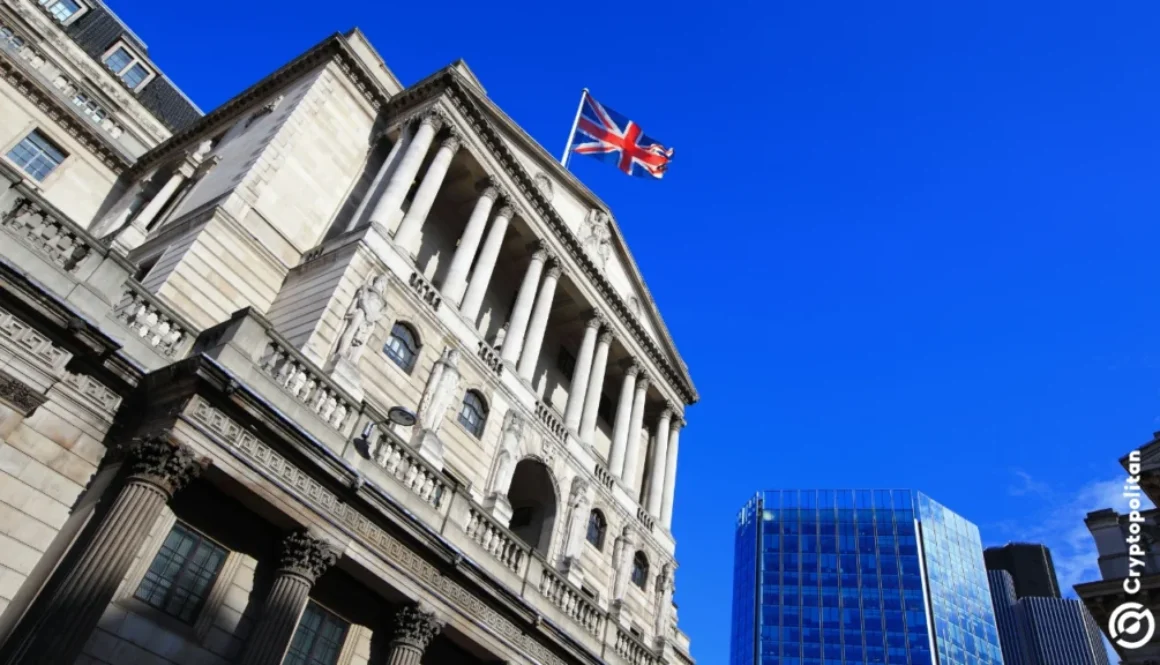
UK consumers grow more optimistic following BoE rate cut
British consumers are showing renewed confidence in their household finances following the Bank of England’s recent interest rate cuts, marking a meaningful shift in sentiment after months of economic uncertainty. The GfK Consumer Confidence Index, which tracks how households perceive their financial situation, climbed 3 points to reach 5 last month—its strongest showing since December and a clear signal that lower borrowing costs are beginning to reshape consumer behavior across the UK economy.
The broader measure of economic optimism also improved, with the overall consumer confidence index rising 2 points to -17. This result defied analyst expectations, as most forecasters had predicted sentiment would remain flat. The improvement reflects the highest confidence level since August of the previous year, suggesting households are gradually adapting to the monetary policy shift that began when the central bank started reducing rates from 16-year highs approximately one year ago.
Understanding the UK Consumer Confidence Landscape
The UK consumer confidence recovery occurs within a complex macroeconomic context shaped by global supply chain disruptions, energy price volatility, and structural labor market shifts. The British consumer goods sector, representing approximately 40% of retail spending, remains highly sensitive to interest rate movements and inflation dynamics. GfK’s confidence metrics serve as leading indicators for retail spending patterns, which themselves drive approximately 60% of UK GDP growth. This interconnection means that the recent confidence improvement carries disproportionate weight for economic forecasters attempting to project quarterly GDP trajectories.
The confidence recovery also reflects changing household balance sheets. UK household debt levels, particularly mortgage debt, have increased significantly during the past two decades, making interest rate movements exceptionally consequential for disposable income calculations. When the Bank of England held rates at 5.25% through early 2024, many households experienced mortgage payment increases of £100-300 monthly upon rate resets. The subsequent rate cuts of 50 basis points have begun reversing this pressure, though the magnitude of relief varies dramatically based on mortgage origination timing and fixed-rate versus variable-rate positioning.
Mortgage Relief Driving Household Optimism
As borrowing costs decline, mortgage expenses have begun falling as well, providing tangible relief to homeowners and renters alike. This development carries particular significance for prospective buyers who have faced elevated housing costs throughout the recent economic cycle. The reduction in financing expenses appears to be the primary driver behind households’ improved assessment of their financial prospects.
Households are responding positively to lower borrowing costs, with overall sentiment now at its highest point since August of last year, demonstrating that people have finally realized the essence of the Bank of England’s efforts to reduce borrowing costs.
— Market Analysis
Beyond housing, consumer behavior is shifting in meaningful ways. Data from GfK shows that savings intentions have declined, reversing last month’s gains and falling back to their lowest level since the 2008 financial crisis. Simultaneously, more households report willingness to make significant discretionary purchases—items such as automobiles and furniture that typically indicate economic confidence.
The GfK Consumer Confidence Index reached 5, its highest level since December, reflecting a 3-point monthly increase driven by improved household financial perceptions and lower borrowing costs.
Early Signs of Economic Recovery
The confidence improvement arrives as the UK economy shows early recovery signals following a significant economic shock. Earlier this year, the government implemented a £26 billion increase in employment costs—a policy that raised concerns about inflationary pressure and business investment. Recent business sentiment data provides some counterbalance to those concerns.
A survey conducted by S&P this week revealed the strongest private sector growth in twelve months, suggesting that businesses are responding to the improved consumer outlook and lower financing costs. This alignment between household and business confidence could potentially accelerate economic activity in the coming quarters. However, significant headwinds remain that could undermine this momentum.
Industry Context and Market Implications
The UK retail sector, employing approximately 2.8 million workers, represents a crucial bellwether for broader economic health. Major retailers including Tesco, Sainsbury’s, and Marks & Spencer have all reported inventory buildup in anticipation of increased consumer spending, betting heavily that confidence improvements translate into sustained purchasing behavior. Department store chains and automotive retailers are similarly adjusting inventory positions based on current sentiment data.
The financial services industry faces its own implications from the confidence recovery. Banks have accumulated substantial excess capital during the high-rate environment, positioning themselves to increase lending volumes if consumer demand accelerates. However, lending standards remain relatively conservative, with approval rates for mortgages held slightly below historical averages despite the confidence surge. This suggests financial institutions remain cautious about economic trajectory despite positive sentiment readings.
The confidence recovery also impacts commercial real estate, particularly in city centers where discretionary spending patterns determine retail space viability. Landlords and property developers have incorporated the possibility of sustained consumer activity into their financial projections for the next 18 months, though most maintain contingency scenarios for sentiment deterioration.
Inflation and Employment Threaten Consumer Gains
Despite the positive headlines, substantial risks loom over the consumer recovery. Neil Bellamy, consumer insights director at GfK, cautioned that economic optimism could rapidly deteriorate if underlying pressures intensify. Inflation has climbed to its highest level since January 2024, driven by significant increases in essential categories including food and transportation.
July’s inflation figures came in hotter than expected, creating particular hardship for households already struggling with basic expenses. The concern extends beyond current price levels. If retailers raise prices to offset their elevated payroll costs—the direct result of the government’s employment expense increase—the squeeze on consumer purchasing power could accelerate meaningfully.
The British Retail Consortium reports that four in ten shoppers expect to increase food spending over the next three months, indicating consumers anticipate further price pressures despite lower borrowing costs.
Rising unemployment compounds these concerns. As job losses accelerate, consumer confidence built on rate cuts could erode quickly if households face income uncertainty. The current recovery remains fragile, dependent on sustained employment and contained inflation—neither of which appears assured.
Unequal Impact on Lower-Income Households
Perhaps most concerning, the benefits of lower borrowing costs and improving sentiment are distributing unevenly across income levels. Lower-income households spend a disproportionately large share of their income on basic necessities like food, transportation, and housing. Recent food price increases hit these households with particular force, effectively negating the benefit of lower mortgage rates they may not even access.
Higher real wages—modest improvements in purchasing power—also bypass the most vulnerable consumers when inflation in essential goods outpaces wage growth. This creates a two-tiered recovery where affluent households benefit from cheaper borrowing and improved sentiment while struggling families face intensifying pressure on already-stretched budgets.
Entity Background and Market Positioning
GfK, the organization behind the Consumer Confidence Index, operates as one of Europe’s largest market research firms with extensive experience measuring consumer sentiment across multiple national economies. Their methodology involves surveying approximately 2,000 UK households monthly, capturing sentiment across income brackets, geographic regions, and age demographics. This granular approach provides policymakers and businesses with differentiated insights beyond headline figures.
The Bank of England, operating as the UK’s central banking institution established in 1694, maintains dual mandates of price stability and financial system resilience. Current monetary policy decisions reflect the Bank’s assessment that inflation remains elevated relative to their 2% target, necessitating a measured approach to rate reductions. The pace of rate cuts—50 basis points over approximately six months—represents gradualism designed to avoid stimulating demand excessively while still providing material relief to borrowers.
Conclusion: A Pivotal Moment for UK Consumers and Economy
The current data snapshot reflects a pivotal moment in the UK economic cycle. Consumer confidence improvements driven by rate cuts are real and measurable, supported by concrete changes in household mortgage payment obligations and improved borrowing accessibility. The willingness of consumers to shift from savings accumulation toward discretionary spending represents a genuine behavioral shift from the defensive posture maintained throughout the high-rate environment.
Yet the trajectory depends entirely on whether inflation stabilizes at acceptable levels, employment remains resilient through potential economic slowdown, and retailers exercise restraint in passing elevated labor costs to consumers. Any deterioration in these factors could rapidly reverse the positive sentiment now appearing in the confidence data. Market participants should monitor upcoming employment figures, retail pricing announcements, and Bank of England communications closely, as these will determine whether the current confidence recovery represents a sustainable economic expansion or merely a temporary sentiment surge preceding renewed headwinds.
For households and businesses alike, the window for capitalizing on improved financing conditions may narrow if inflation and employment trends deteriorate. Strategic decisions regarding major purchases, business investments, and hiring plans should incorporate both optimistic scenarios consistent with current confidence data and more cautious scenarios reflecting ongoing macro risks.
For more analysis on economic trends affecting consumer behavior and investment decisions, visit our newsroom or explore our market analysis section.
Get weekly blockchain insights via the CCS Insider newsletter.