
Brazil moves to shield exporters from U.S. tariffs
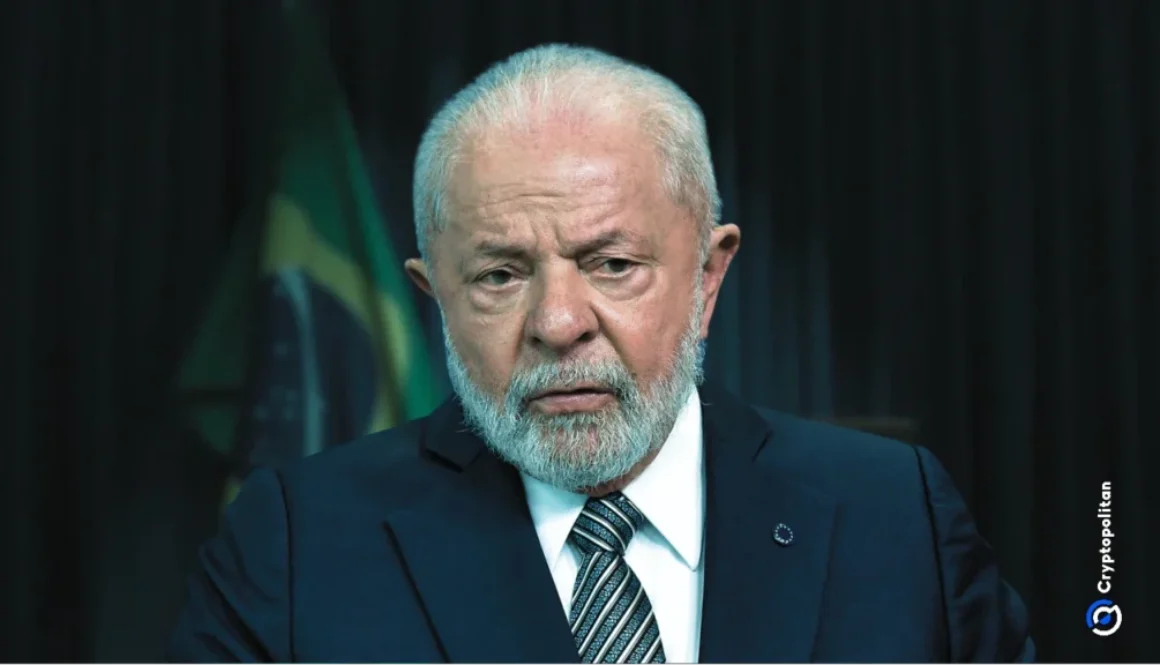
Brazil’s government unveiled a comprehensive economic support program Wednesday aimed at shielding exporters from steep U.S. tariffs, as trade tensions between the two nations escalated sharply. The initiative, branded “Sovereign Brazil,” allocates 30 billion reais—approximately $5.5 billion—in credit and relief measures to help companies absorb the impact of a 50% import duty imposed by the Trump administration on various Brazilian products. The announcement underscores growing friction over trade policy and underlying political disputes that extend beyond traditional commerce concerns.
The Relief Package Takes Shape
President Luiz Inácio Lula da Silva described the program as a first step, with additional legislative proposals heading to Congress for approval. The relief measures include tax obligation deferrals for affected companies, direct tax credits totaling 5 billion reais for small and medium-sized enterprises through the end of 2026, and expanded insurance protections for cancelled export orders.
The government will also leverage public purchasing power to absorb goods that can no longer reach U.S. markets. Additionally, Brazil extended its “drawback” scheme—which permits duty-free imports of materials used in producing export goods—by one additional year, giving companies extra runway to adjust their supply chains and sourcing strategies.
The “Sovereign Brazil” initiative combines credit access, tax deferrals, insurance expansion, public procurement support, and extended import relief to address tariff impacts across multiple business segments.
The announcement drew rare political unity. Lawmakers from competing political factions attended the Brasília event together—a notable development after months of legislative gridlock—signaling that trade pressure has created common ground in responding to external economic threats.
Political Tensions Underlying Trade Disputes
Hours after unveiling the economic package, U.S. Secretary of State Marco Rubio announced additional sanctions targeting Brazilian officials, demonstrating that diplomatic friction runs deeper than tariff schedules alone. The Trump administration has explicitly connected its trade actions to ongoing legal proceedings against Jair Bolsonaro, the former Brazilian president currently under house arrest.
We cannot be scared, nervous and anxious when there is a crisis. A crisis is for us to create new things.
— President Luiz Inácio Lula da Silva
Lula characterized the U.S. tariff decision as “unpleasant” and disputed the stated justifications entirely. He rejected American assertions that the trade measures relate to human rights concerns, instead accusing Washington of weaponizing such rhetoric for political purposes. The Brazilian leader emphasized that his country’s judicial system operates independently and remains insulated from executive branch interference.
Bolsonaro faces trial on charges related to an alleged attempt to overturn the 2022 election results. Trump and his allies have echoed Bolsonaro’s supporters in claiming the prosecution represents politically motivated persecution and a violation of due process. Justice Alexandre de Moraes, who oversees Bolsonaro’s case, was recently sanctioned under the U.S. Magnitsky Act, which targets individuals accused of serious human rights abuses.
Bolsonaro’s sentencing is expected between September and October. Justice de Moraes has affirmed that all defendants received full due process protections and pledged to continue his judicial duties regardless of international sanctions.
Diverging Narratives on Rule of Law
Brazil’s Supreme Court justices have publicly stated they will not yield to external political pressure, Lula noted. The government’s position holds that domestic legal processes reflect constitutional governance rather than partisan manipulation. This stance directly contradicts the Trump administration’s characterization of Bolsonaro’s prosecution as improper political theater.
De Moraes maintained that defendants in the case received appropriate legal protections while dismissing the Magnitsky sanctions as having no bearing on his judicial work. His response reflects Brazil’s broader resistance to what officials view as inappropriate foreign interference in sovereign legal matters.
Brazil would seek out new markets for its products rather than accept what it considers unjustified trade restrictions.
— President Lula’s Position on Market Diversification
Strategic Responses and Market Reorientation
Rather than seeking immediate reconciliation, Lula signaled that Brazil intends to pursue alternative export markets and reduce dependency on U.S. commerce. This diversification strategy reflects a calculated response to sustained trade pressure and suggests longer-term shifts in Brazil’s commercial orientation.
The timing of Rubio’s additional sanctions announcement—occurring within hours of the Brazilian economic relief package—appears designed to demonstrate that the Trump administration will not be deterred by economic countermeasures or unified political opposition. The coordinated nature of trade and diplomatic pressure indicates that resolving these disputes will require addressing underlying political grievances alongside commercial considerations.
Industry Impact and Sectoral Consequences
Brazil’s agricultural and manufacturing sectors face the most immediate exposure to the 50% tariff regime. Agricultural exports—particularly beef, coffee, and fruit—represent substantial portions of bilateral commerce, with U.S. markets accounting for approximately 15-20% of total Brazilian agricultural shipments in major categories. Companies operating in these sectors now confront margin compression unless supply chains shift to alternative destinations or domestic demand absorbs displaced production.
Small and medium-sized enterprises that depend heavily on U.S. export channels face particular vulnerability, which explains why the relief package directs 5 billion reais specifically toward companies in this classification. Many Brazilian manufacturers lack diversified customer bases or established relationships in Asian or European markets, making rapid reorientation logistically and financially challenging.
The public procurement component of the relief package—whereby government agencies absorb goods unable to reach U.S. markets—addresses this challenge partially but cannot substitute for commercial market demand at scale. Excess production capacity will likely result in workforce adjustments across affected industries unless new export routes materialize quickly.
Broader Economic and Geopolitical Context
Brazil’s economy has exhibited mixed performance in recent years, with growth rates hovering between 2-3% annually. The agricultural sector remains a cornerstone of export revenue and employment across rural regions. Trade disruptions threaten to exacerbate regional inequality and complicate the Lula administration’s efforts to maintain fiscal discipline while funding social programs.
From a geopolitical perspective, Brazil’s response signals a willingness to challenge U.S. economic pressure through a combination of domestic support measures and diplomatic pushback. This posture aligns with emerging multipolar dynamics where middle powers increasingly resist unilateral pressure and seek alternative partnerships. Chinese and European market access become strategically valuable assets in this environment, potentially accelerating Brazil’s commercial reorientation away from traditional Western markets.
The interconnection between trade policy and judicial proceedings reflects how contemporary geopolitical conflicts transcend economics alone. Washington’s use of tariffs alongside targeted sanctions demonstrates integration of commercial and political instruments in achieving policy objectives, while Brazil’s counter-positioning establishes boundaries around sovereign authority over judicial processes.
Long-Term Market Implications
The 30 billion real relief package provides temporary insulation but cannot indefinitely offset the structural impact of 50% tariffs on competitiveness. Companies may accelerate investments in alternative production locations, particularly in neighboring South American countries with preferential trade arrangements, further complicating Brazil’s export prospects.
Investor confidence in Brazil’s ability to maintain stable trade relationships faces headwinds, potentially affecting currency valuations and capital flows. The political unity displayed at the relief package announcement may prove temporary if economic conditions deteriorate or if prolonged uncertainty discourages business investment and expansion.
For exporters and investors monitoring Brazil’s economic resilience, the government’s willingness to deploy substantial fiscal resources signals commitment to minimizing disruption. Yet the escalating diplomatic tensions suggest that tariff relief alone may prove insufficient if political disputes remain unresolved. The situation reflects a complex interplay between traditional trade negotiations and contemporary geopolitical alignments that now factor prominently into bilateral economic relations.
Brazil’s path forward depends partly on how quickly tariff disputes can be compartmentalized from judicial proceedings against Bolsonaro. Current trajectories suggest neither side intends immediate de-escalation, making the government’s export diversification strategy a practical necessity rather than a temporary measure. The success of “Sovereign Brazil” will ultimately depend not just on fiscal resources deployed, but on whether Brazilian enterprises can establish viable commercial relationships in markets previously considered secondary. The months ahead will reveal whether this crisis catalyzes structural economic adaptation or deepens Brazil’s vulnerability to external shocks.
Get weekly blockchain insights via the CCS Insider newsletter.