
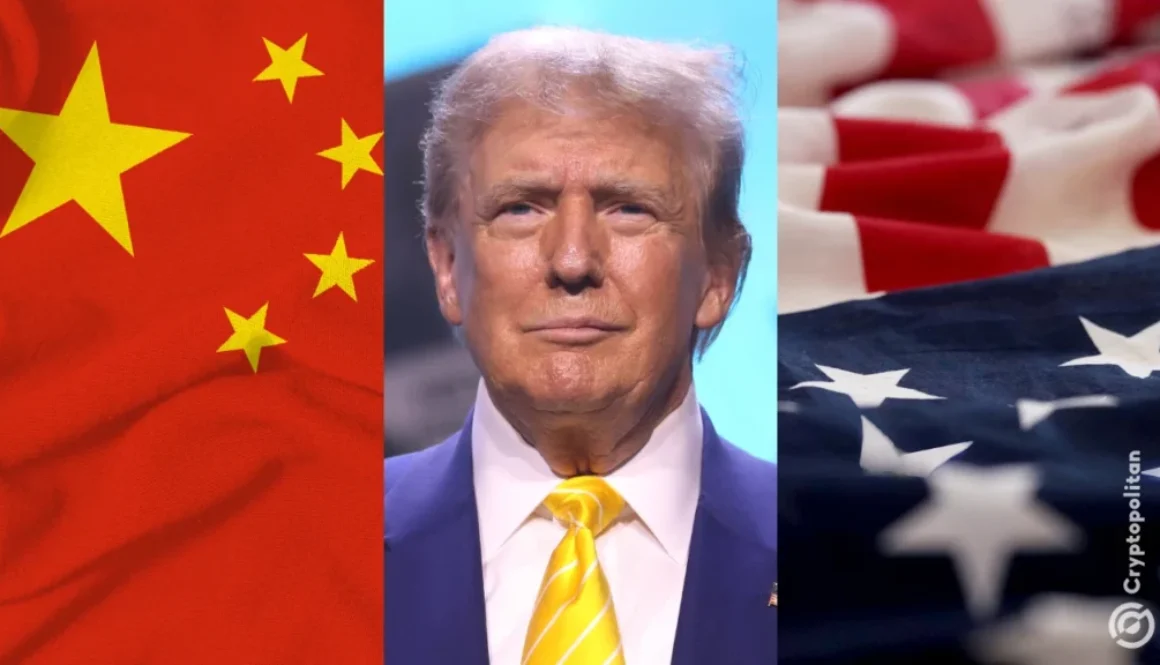
Trump warns China against retaliating on foreign firms
The Trump administration has issued a direct warning to China, cautioning against implementing punitive measures against foreign companies operating in critical US industries. The escalating dispute centers on maritime infrastructure and shipbuilding capacity, sectors Washington views as essential to national security and economic resilience.
The Shipping Dispute Intensifies
China recently imposed sanctions on US operations of Hanwha Ocean, a major South Korean shipping and shipbuilding firm, prohibiting Chinese entities from conducting business with the company’s American divisions. The move represents Beijing’s response to Washington’s push to strengthen domestic shipbuilding capacity through foreign investment partnerships.
US Trade Representative Jamieson Greer characterized China’s actions as part of a broader pattern of economic coercion targeting foreign enterprises globally. According to Greer, Beijing’s strategy aims to discourage international investment in American shipbuilding and related industrial sectors while advancing Chinese interests in supply chain control.
China’s moves demonstrate a worldwide trend of economic pressure focused on influencing American politics and managing the global supply chain.
— Jamieson Greer, US Trade Representative
The timing of these sanctions underscores deepening tensions between the world’s two largest economies over maritime dominance and industrial strategy. Both nations have already implemented reciprocal port charges on commercial vessels, measures that took effect last week.
China controls more than 50% of global shipbuilding capacity. Maritime transport accounts for over 80% of international trade. South Korea ranks as the world’s second-largest shipbuilder.
Strategic Importance of Shipbuilding
The shipbuilding sector carries outsized geopolitical significance. Despite maintaining the world’s most advanced navy, the United States operates with limited domestic shipbuilding capacity—a vulnerability the Trump administration has identified as a strategic weakness.
To address this gap, Washington has actively courted South Korean investment. Hanwha Ocean emerged as a natural partner given Seoul’s position as a global shipbuilding leader. China’s targeted sanctions directly undermine this strategy by creating business risks for the South Korean company’s American operations.
The US response demonstrates how seriously policymakers view maritime infrastructure. Washington plans to impose 100% tariffs on Chinese imports of critical port equipment, with additional 150% import duties potentially applied to cargo handling gear. These measures signal resolve to reshape competitive dynamics in strategic port facilities.
Recent reports indicate the Trump administration is also targeting Chinese influence at ports along the Panama Canal and other globally significant maritime chokepoints. These efforts reflect a comprehensive strategy to reduce Beijing’s leverage over international shipping networks.
Industry Context and Market Dynamics
The global maritime industry represents a multi-trillion-dollar sector encompassing shipbuilding, port operations, vessel leasing, and maritime services. Recent estimates suggest the worldwide shipping market generates approximately $1.5 trillion in annual economic activity, with projections for continued growth driven by e-commerce expansion and emerging market development.
Hanwha Ocean itself represents a significant player in this ecosystem. The company operates multiple shipyards across South Korea and maintains substantial commercial operations globally. Its US division specializes in large-scale commercial vessel construction and specialized defense contracts, making it strategically valuable to American industrial policy objectives.
China’s dominance in shipbuilding developed through decades of strategic investment and subsidized production. Beijing views maritime manufacturing as critical to its broader economic and military objectives. State-sponsored shipyards receive favorable financing, tax breaks, and preferential access to materials, enabling them to undercut international competitors on pricing.
The sanctions against Hanwha Ocean’s US operations specifically target the company’s ability to secure Chinese-origin materials and components, as well as access to Chinese ports for vessel maintenance and parts sourcing. This approach leverages Beijing’s control of critical input supplies to create business friction for companies participating in American industrial policy initiatives.
Escalating Trade Tensions
The maritime conflict represents one component of deteriorating US-China economic relations. Greer’s public warning suggests Washington views Beijing’s targeting of foreign companies as a serious escalation that warrants official diplomatic pushback.
Attempts to scare us will not prevent the US from rebuilding its shipbuilding industry and fighting back against China’s efforts to dominate important industrial sectors.
— Jamieson Greer, US Trade Representative
Analysts note that shipping disputes intersect with broader concerns about supply chain resilience and technological competition. The Biden and Trump administrations have both emphasized reshoring critical manufacturing to reduce dependence on Chinese production networks.
The tariff strategy targeting port equipment and cargo handling systems represents a deliberate effort to make Chinese-manufactured infrastructure components economically uncompetitive for American port authorities and logistics operators. By establishing steep import duties, Washington aims to create market advantages for domestic producers and foreign suppliers willing to establish American manufacturing operations.
US: Planning 100% tariffs on Chinese port equipment and 150% duties on cargo handling gear. China: Sanctioning Hanwha Ocean US operations and threatening additional retaliatory measures.
Entity Background: Hanwha Ocean and Strategic Partnerships
Hanwha Ocean, formerly Daewoo Shipbuilding & Marine Engineering (DSME), ranks among the world’s most technologically advanced shipbuilders. The company specializes in LNG carriers, VLCCs (very large crude carriers), offshore drilling vessels, and increasingly, defense-related shipbuilding including submarines and destroyers.
The company’s American operations focus on engineering support, project management, and vessel design services that support both commercial and defense contracts. Establishing stronger US-based operations aligns with American defense industrial strategy and signals South Korea’s commitment to deeper technological cooperation with Washington.
Hanwha’s position as a victim of China’s retaliatory measures actually strengthens the company’s appeal to American policymakers. The company has demonstrated willingness to accept Chinese retaliation while maintaining commitment to partnerships that Washington deems strategically critical. This resilience enhances Hanwha’s credibility as a reliable partner for sensitive maritime and defense applications.
Market Implications and Investment Outlook
The escalating maritime dispute carries significant implications for investors across multiple sectors. Port operators, logistics companies, shipping lines, and equipment manufacturers face potential disruptions from tariff implementations and retaliatory measures from Beijing.
For multinational corporations, these developments create complicated calculus about investment in US operations. Foreign firms now must evaluate not only American market opportunity but also potential retaliation from Beijing for participating in strategically sensitive sectors.
South Korea occupies a particularly delicate position, balancing significant trade relationships with China against security partnerships with the United States. Hanwha Ocean’s experience demonstrates how Korean companies face pressure regardless of their strategic choices in US-China competition.
The maritime sector also connects to broader discussions about inflation, supply chain costs, and consumer prices. Any disruption to global shipping networks cascades through international commerce, affecting everything from manufacturing to retail goods. Port equipment tariffs may increase docking fees and infrastructure costs that eventually transmit to consumer prices for imported goods.
For investors tracking global economic trends, the shipping dispute offers lessons about how geopolitical tensions increasingly influence financial markets and corporate strategy. Companies with exposure to maritime industries, logistics, or international trade face heightened volatility.
Washington’s willingness to impose steep tariffs on port equipment suggests the administration prioritizes reshoring shipping infrastructure over near-term consumer cost relief. This approach prioritizes long-term strategic independence over short-term economic convenience.
Conclusion: The Future of Strategic Competition
The confrontation between Washington and Beijing over maritime infrastructure represents a fundamental reorientation of great power competition toward critical infrastructure and supply chain dominance. Unlike previous trade disputes focused primarily on tariff rates and market access, this conflict directly challenges Beijing’s control over essential industrial capacity.
The coming weeks will likely bring further escalation as China responds to US tariff announcements. Trump’s stated intention to discuss Taiwan with Xi Jinping indicates maritime tensions represent just one dimension of comprehensive bilateral friction.
For companies operating globally, the maritime dispute signals that strategic industry participation now carries geopolitical consequences. Firms must evaluate not merely profitability but also exposure to great power competition. Hanwha Ocean’s experience demonstrates that even willing participants in strategic partnerships face retaliation from Beijing.
The ultimate outcome of this dispute will likely shape maritime industry structure for decades, determining whether global shipping networks remain integrated or fragment along geopolitical lines. American policymakers’ commitment to substantial tariffs on Chinese port equipment suggests resolve to fundamentally restructure maritime trade patterns regardless of near-term economic costs.
Keep tracking these developments for insights into how trade policy reshapes global markets and influences asset prices across multiple sectors.
Get weekly blockchain insights via the CCS Insider newsletter.