
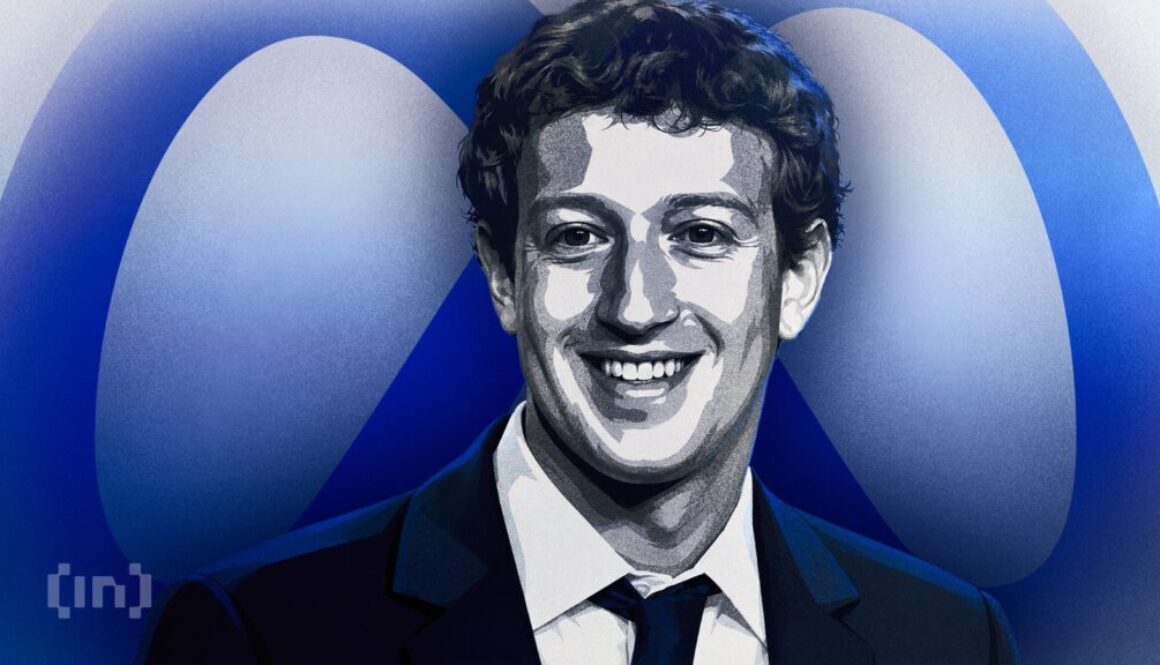
Twitter’s (X) Nikita Bier Defends Zuckerberg After Meta Whistleblower Trailer

Legal & CrimeJune 11, 2026·5 min read

X’s head of product has publicly defended Meta’s teen safety practices against an upcoming Aaron Sorkin film depicting the company as having prioritized growth over user protection. The dispute highlights how institutional crypto and tech investors must navigate competing narratives about platform governance and internal accountability mechanisms that now carry both legal and reputational weight.

  • Nikita Bier, X’s head of product, defended Mark Zuckerberg against claims in “The Social Reckoning” trailer released this week.
  • Bier argued Meta employed multiple engineering teams earning $1 million annually with authority to override product decisions for teen safety.
  • The film dramatizes the 2021 Facebook Files investigation showing Meta knew its platforms could harm teen mental health and deepen polarization.
  • $1M/yr Annual compensation for Meta’s dedicated teen safety engineering teams, according to Bier’s defense
  • 2021 Year the Facebook Files investigation was published, basis for Sorkin’s upcoming film narrative
  • July 2025 When Bier joined X after working as product manager at Meta following its 2017 acquisition of his app tbh

X’s head of product Nikita Bier mounted a public defense of Mark Zuckerberg this week, directly challenging the narrative presented in Sony’s new trailer for “The Social Reckoning,” an Aaron Sorkin sequel to The Social Network.

The film, set to release this fall, frames Meta as a company that knowingly sacrificed teen mental health on the altar of growth, drawing heavily on the 2021 Facebook Files investigation that revealed internal research showing the company understood its platforms could increase anxiety and depression among younger users.

Bier’s intervention signals how institutional technology leaders are now actively contesting Hollywood’s and regulators’ accounts of Meta’s decision-making, a dynamic institutional investors must track as it affects both Meta’s reputation and the broader credibility of tech platform governance claims.

Bier Claims Meta Staffed Teen Safety Teams With Real Decision-Making Power

Bier, who joined X as head of product in July 2025 after a tenure at Meta as a product manager, used social media to challenge the film’s central premise. He stated: “Zuck makes a lot of mistakes but this isn’t one of them. Meta literally had multiple teams of $1m/yr engineers working on teen mental health, and they had the agency to override big product decisions.”

Zuck makes a lot of mistakes but this isn’t one of them. Meta literally had multiple teams of $1m/yr engineers working on teen mental health, and they had the agency to override big product decisions.

Nikita Bier, Head of Product, X

Bier’s defense rests on an assertion that Meta’s internal structure provided teen safety advocates with genuine veto power over growth-driven product decisions. This claim directly contradicts the film’s dramatization of the Facebook Files, which depicted engineering teams as overwhelmed and overruled by leadership prioritizing engagement metrics.

Bier’s credibility in making this argument stems partly from his direct experience: Meta acquired his teen-focused social app tbh in 2017, and he subsequently worked as a product manager at the company before moving to X.

His intervention carries institutional weight because product managers and engineering teams are precisely the layers of governance that institutional investors examine when assessing tech company risk management and compliance culture.

Facebook Files Investigation Documented Meta’s Knowledge of Teen Mental Health Harms

Bier’s defense occurs against the backdrop of the 2021 Facebook Files investigation, a data-driven reporting project built on leaked internal documents that showed Meta conducted extensive research into how its platforms affected younger users.

That research revealed the company understood the negative psychological effects of its products on teens, findings the company had not publicly disclosed at the time. The investigation prompted congressional testimony from Frances Haugen, the Meta whistleblower at the center of the case, and intensified regulatory scrutiny across multiple US states and federal agencies.

The Sorkin film adapts this narrative into dramatic form, using the leaked documents and congressional hearing transcripts as source material to depict a company choosing engagement growth over teen safety.

Early online reactions to the trailer suggest the marketing campaign has already revived criticism of Meta that had cooled somewhat in recent years, particularly as the company shifted focus toward artificial intelligence investments and restructuring.

For institutional investors holding Meta positions, the timing introduces additional reputational pressure at a moment when the company is contending with other operational challenges.

Meta’s actual response to teen safety criticism has consisted of expanded parental controls and dedicated teen accounts, measures the company points to as evidence of its commitment to the issue.

Bier’s Product Leadership Role at X Adds Credibility But Also Creates Conflict

Bier’s public defense of Zuckerberg from his current position at X, a platform controlled by Elon Musk, introduces a layer of complexity to how his testimony should be evaluated. Since joining X in July 2025, Bier has regularly weighed in on platform governance decisions in public forums, including posts about crypto features and responses to content moderation complaints.

He also shared platform data showing that X users mute crypto-related content more frequently than politics-related content, demonstrating his willingness to surface internal metrics to shape public conversation.

His role as a prominent Silicon Valley product leader defending another tech executive’s governance choices against a major Hollywood production creates an implicit professional solidarity that institutional analysts should acknowledge.

At the same time, Bier’s deep experience in building consumer apps for teenagers, combined with his direct exposure to Meta’s internal structures, means his assertions about engineering team authority and budget allocation carry genuine informational value.

The debate between his account and the film’s dramatization may ultimately hinge on whether real decision-making power followed the budget allocations he describes.

Institutional investors should view Bier’s claims as one insider account requiring verification against other available evidence, not as definitive proof of Meta’s teen safety governance.

Legal and Regulatory Scrutiny Continues Regardless of Public Narrative

The clash between Bier’s defense and the film’s portrayal occurs while Meta still faces active legal and political pressure in multiple US states over its teen safety practices.

Regulators and attorneys general have not relied solely on the Facebook Files narrative to pursue enforcement actions; they have built cases around specific product features, data collection practices, and engagement algorithms independently assessed by legal experts.

The company’s deployment of expanded parental controls and dedicated teen accounts represents a defensive posture rather than a clearing of the underlying allegations.

For institutional crypto investors with indirect exposure to Meta through Reliance’s AI data center partnership or other strategic bets, the reputational cost of the film and the debate it sparks may affect Meta’s operating environment and regulatory relationships over the next 18 months.

State-level actions and potential federal legislation on teen platform protection could impose compliance costs that reduce the company’s margin profile, independent of whether Bier’s characterization of internal governance proves accurate in retrospective analysis.

The release of “The Social Reckoning” this fall will test whether Bier’s public defense gains traction among institutional stakeholders or whether the film’s narrative dominates media coverage and reinforces existing skepticism about Meta’s governance. Institutional investors should monitor both the film’s reception and any regulatory filings or settlement discussions Meta initiates in response, those concrete actions will reveal whether Meta’s leadership views the reputational threat as requiring substantive governance changes or merely communications management.

Get this in your inboxThe Crypto Coin Show newsletter covers the policy and market moves institutional crypto investors are pricing in.

Subscribe