
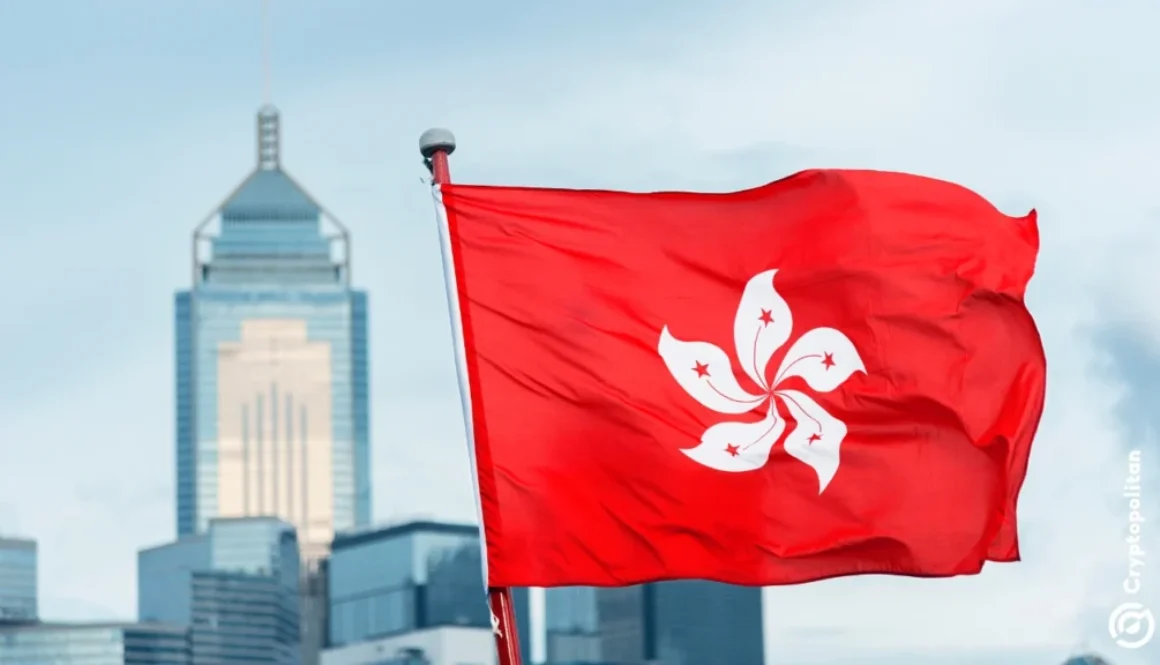
Hong Kong’s first batch of stablecoin licenses will be issued in early 2026
Hong Kong’s financial regulator is preparing to issue the first batch of stablecoin licenses in early 2026, marking a significant step toward regulated digital asset issuance in Asia. The Hong Kong Monetary Authority has received approximately 80 applications for stablecoin issuer licenses, yet only a select number of firms will receive approval in the initial wave, according to statements from regulatory officials.
A Stringent Framework Takes Shape
The Stablecoin Ordinance, which took effect on August 1, establishes Hong Kong as the first jurisdiction globally to require stablecoin reserves be backed exclusively by High Quality Liquid Assets. These are ultra-safe, short-term holdings that can be converted to cash immediately upon demand.
Despite the rigorous reserve requirements, the volume of applications demonstrates genuine interest from financial institutions and technology firms. The stringent rulebook reflects Hong Kong’s determination to build confidence in its digital asset ecosystem following a series of high-profile failures that eroded public trust.
It’s a sign that firms are eager to tap into the crypto system without taking on the market’s more volatile risks.
— Dr Hin Liu, Lecturer in Law, Oxford University
The regulatory approach sends a clear message to the international business community. By establishing transparent guardrails and institutional safeguards, Hong Kong positions itself as a jurisdiction where digital asset innovation can coexist with prudent consumer protection.
Rebuilding Institutional Confidence
Hong Kong’s crypto sector faced substantial reputational damage in recent years. The collapse of JPEX, an unlicensed trading platform, resulted in losses exceeding $166 million for Hong Kong investors between 2020 and 2023. Law enforcement agencies continue managing the aftermath of the fraud case.
JPEX’s collapse illustrated the dangers of unregulated digital asset platforms. The platform operated without proper licensing and exposed investors to substantial financial harm. The incident prompted regulators to accelerate enforcement measures and strengthen licensing frameworks.
The new Stablecoin Ordinance represents a deliberate effort to restore institutional credibility. Regulators view stable digital currencies as foundational infrastructure that, when properly overseen, can support broader adoption of blockchain technology and digital finance.
The most recent memory of crypto in the public is of NFT’s tanking and crypto scams and fraud. The Stablecoin Ordinance signals that Hong Kong is a robust place to do business.
— Dr Hin Liu, Digital Asset Consultant
Market Implications and Industry Context
The stablecoin market has emerged as one of the fastest-growing segments within digital finance, with global market capitalization exceeding $150 billion. Industry analysts project continued expansion as institutional adoption accelerates and use cases expand beyond speculative trading into payments, remittances, and settlement infrastructure.
Hong Kong’s regulatory framework arrives at a pivotal moment for the industry. Major markets including the European Union, Singapore, and the United States have proposed or implemented stablecoin regulations, yet Hong Kong’s approach offers distinct advantages. The jurisdiction combines sophisticated financial infrastructure with proximity to Asia’s largest markets and deep-rooted expertise in international finance.
Banks and fintech companies operating across the Asia-Pacific region have indicated strong interest in using Hong Kong-regulated stablecoins as settlement instruments. The potential to reduce cross-border payment friction while maintaining regulatory compliance represents a compelling business case that has driven the volume of applications to the HKMA.
Industry participants estimate that successful stablecoin issuers could generate substantial fee revenue through transaction volume, custody services, and redemption mechanisms. The competitive advantage of operating with regulatory legitimacy in a major financial center substantially enhances the commercial viability of approved applicants.
A Centralized Regulatory Model
Hong Kong has consolidated stablecoin supervision under the HKMA, the territory’s de facto central bank. This consolidation places responsibility for licensing, reserve management, custody, redemption, and distribution under a single authority. The approach differs markedly from most other jurisdictions.
In the United States, European Union, and many Asian markets, stablecoin oversight falls to securities regulators, banking authorities, or fragmented multi-agency frameworks. Hong Kong’s model grants the HKMA broad discretion to issue, suspend, or revoke licenses and investigate regulatory violations.
The Securities and Futures Commission continues overseeing the broader virtual asset ecosystem, maintaining its traditional supervisory role while the HKMA focuses specifically on stablecoin issuers. This division of responsibilities aims to prevent regulatory overlap while ensuring comprehensive market oversight.
The creation of a dedicated Stablecoin Review Tribunal provides industry participants with a specialized appeals mechanism. Firms disputing HKMA decisions can petition the tribunal and ultimately appeal to the Court of Appeal, establishing a clear dispute resolution pathway distinct from general commercial courts.
Legal experts view this tribunal structure as a significant competitive advantage. Traditional court systems in other major markets often require years to resolve regulatory disputes, whereas Hong Kong’s specialized tribunal provides faster resolution by expert adjudicators familiar with digital asset regulation.
Joshua Chu, co-chair of the Hong Kong Web3 Association, characterized the tribunal as embodying “a level of regulatory accountability that’s still missing in most jurisdictions.” He noted that the setup compares favorably to dispute resolution mechanisms in the United States, South Korea, and Japan, where regulatory disagreements can languish in conventional courts.
The Reserve Requirement Challenge
The Stablecoin Ordinance mandates that issuers maintain sufficient ultra-liquid assets to redeem every token at full value on demand. This reserve requirement extends beyond formal regulatory compliance—it demands operational excellence in asset management and pricing mechanisms.
Maintaining a precise 1:1 peg between stablecoin value and underlying reserves day after day requires sophisticated systems and continuous monitoring. Issuers must demonstrate they can execute redemptions instantly, even during volatile market conditions or periods of heightened redemption requests.
The reserve framework signals Hong Kong’s determination to prevent the systemic failures that plagued other digital asset platforms. By anchoring stablecoins to ultra-safe liquid assets rather than permitting collateralization through volatile cryptocurrencies or complex derivative positions, regulators minimize the risk of redemption failures.
This approach prioritizes institutional trust over issuers’ flexibility. Companies seeking Hong Kong stablecoin licenses must accept substantial capital requirements and ongoing compliance burdens in exchange for regulatory legitimacy and market access.
Hong Kong’s Competitive Position in Global Digital Finance
Hong Kong’s established position as a global financial center, combined with its new stablecoin framework, positions the territory as an attractive jurisdiction for digital asset innovation. The city hosts numerous multinational banks, investment firms, and technology companies that can leverage stablecoin infrastructure to enhance service delivery.
The HKMA’s regulatory approach reflects broader institutional evolution within Hong Kong’s financial sector. Despite persistent competition from Singapore and other regional financial hubs, Hong Kong maintains advantages in legal infrastructure, market depth, and international relationships that support sophisticated digital finance operations.
Approved stablecoin issuers will benefit from Hong Kong’s existing mechanisms for cross-border settlement, established relationships with regional central banks, and robust anti-money laundering infrastructure. These institutional foundations provide licensed stablecoin operators with advantages that extend beyond regulatory approval alone.
The success of Hong Kong’s stablecoin licensing program will likely influence regulatory approaches throughout Asia and potentially establish a template for other jurisdictions seeking to balance innovation with investor protection. Early approval decisions in 2026 will signal whether the framework achieves its intended goal of attracting high-quality institutional participants.
Learn more about Bitcoin and other digital assets on our platform. Stay updated on crypto prices and market developments through our news section.
Conclusion: A Critical Juncture for Digital Finance
Hong Kong’s stablecoin licensing framework represents a watershed moment for regulated digital finance in Asia. By establishing stringent reserve requirements, centralized supervision, and expert-led dispute resolution, the jurisdiction aims to create conditions where institutional adoption of digital currencies can flourish alongside meaningful investor protection.
The early 2026 issuance of licenses will signal whether the regulatory framework attracts sufficient institutional interest to transform Hong Kong into a genuine hub for stablecoin innovation and deployment. The outcome will likely influence how other Asian and international jurisdictions approach stablecoin regulation, potentially establishing Hong Kong as the standard-setting authority for responsible digital asset governance in the region.
Get weekly blockchain insights via the CCS Insider newsletter.