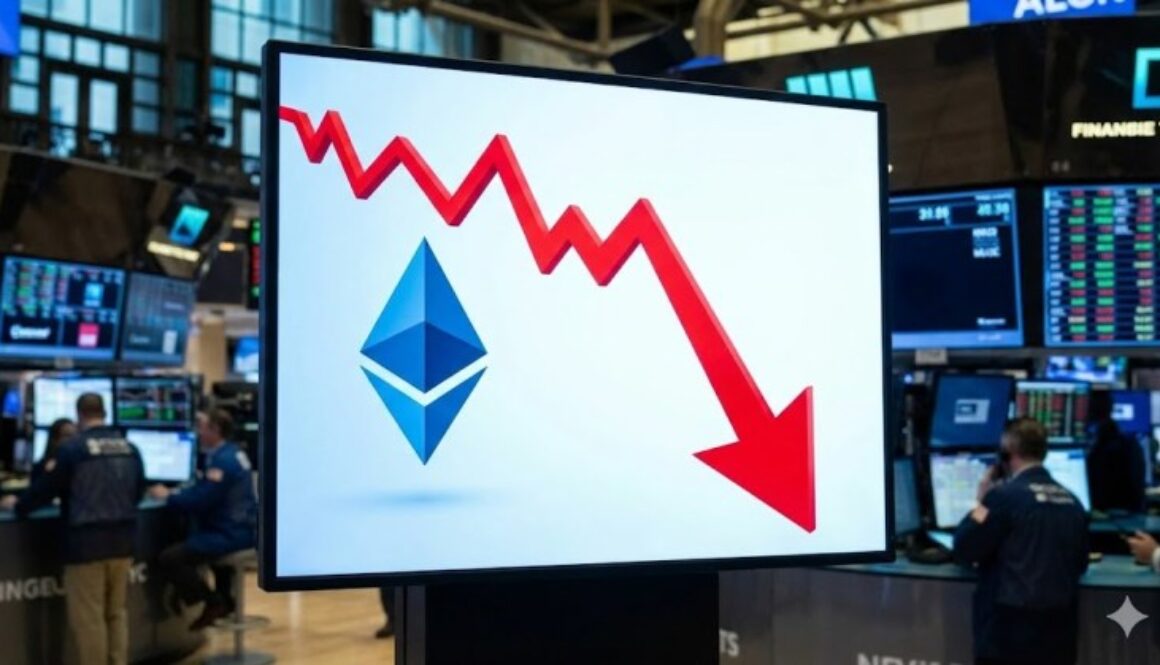
Why Gold & Silver’s All-Time Highs Are Very Bullish For Bitcoin And Altcoins
Precious metals have surged to extraordinary levels in early 2026, with gold exceeding $5,600 per ounce and silver reaching uncharted highs. Meanwhile, Bitcoin peaked above $126,000 last October but has retreated substantially, and most altcoins remain trapped below their previous records. Market analysts now view this divergence between gold and bitcoin as a potential bullish setup, arguing that extreme valuations in traditional safe-haven assets may trigger a rotation back into digital currencies.
The Precious Metals Rally
The strength in gold and silver over recent weeks has captured institutional and retail investor attention alike. Central bank accumulation, persistent inflation concerns, and escalating geopolitical tensions have all contributed to the rally in these traditional hedges.
Gold’s advance has been particularly aggressive, pushing well into overbought territory on major technical timeframes. This extended momentum reflects fundamental support from multiple sources—not merely speculative positioning, but deliberate portfolio allocation from major financial institutions.
Gold’s aggressive advance into overbought territory on major timeframes represents a potential catalyst for renewed interest in digital assets.
— Mark Chadwick, Crypto Market Analyst
Silver has followed a similar trajectory, with prices moving to levels many investors thought unlikely just months ago. The white metal’s industrial applications combined with its safe-haven characteristics have positioned it alongside gold in the current risk-management landscape.
Global Market Dynamics and Central Bank Behavior
The precious metals rally cannot be understood in isolation from broader macroeconomic forces reshaping global markets in 2026. Central banks worldwide have accelerated their accumulation programs, with purchases reaching record levels in recent quarters. This institutional demand has provided a structural floor beneath gold prices, even as spot market volatility has increased.
Geopolitical fragmentation has intensified competition for resources and created new uncertainties in trade relationships. Several emerging markets have reduced their reliance on dollar-denominated reserves, instead rotating holdings toward physical gold and alternative store-of-value assets. This shift represents a long-term structural change in how governments manage currency reserves and reflects diminishing confidence in traditional monetary frameworks.
Inflation expectations, while moderating from 2024 peaks, remain elevated relative to central bank targets in major economies. This has kept real yields negative in many markets, a condition that historically supports gold appreciation. The combination of negative real yields, geopolitical risk premiums, and deliberate central bank accumulation has created what many market participants view as the strongest fundamental case for precious metals in decades.
The precious metals sector has also benefited from increased physical demand in Asia, particularly from India and China, where cultural preferences for gold holdings remain strong. Additionally, jewelry and industrial demand have proven more resilient than many observers anticipated, providing support independent of investment flows.
Bitcoin’s Struggle Amid Market Headwinds
Bitcoin’s performance tells a different story. After reaching a notable peak above $126,000 in October 2025, the leading cryptocurrency entered 2026 under pressure. Risk-off market sentiment and waning investor enthusiasm have weighed on digital asset valuations across the board.
The cryptocurrency’s recent weakness stands in sharp contrast to Bitcoin’s historical role as a hedge asset. Instead of capturing safe-haven flows, it has faced headwinds similar to other risk assets, reflecting broader market caution.
Bitcoin peaked above $126,000 in October 2025 but has since retreated substantially into 2026, while most altcoins remain below their previous all-time highs.
This divergence between traditional and digital safe-haven assets has become pronounced. Gold strengthening while Bitcoin weakens represents an unusual dynamic that market observers believe warrants close examination.
The Institutional Cryptocurrency Landscape
The struggle for Bitcoin in early 2026 reflects significant shifts in institutional adoption patterns and regulatory positioning. Several large asset managers that had increased cryptocurrency allocations during 2024 and 2025 have maintained cautious stances, awaiting clearer regulatory frameworks in major jurisdictions.
Spot Bitcoin ETF flows, which showed strength during the October 2025 rally, have moderated substantially in recent months as markets assess macroeconomic conditions. Institutional investors have adopted a more defensive posture, preferring the proven risk-off characteristics of precious metals over digital assets that remain subject to technology, regulatory, and adoption uncertainties.
The altcoin market has fared even worse, with most tokens declining further from their October peaks. Market participants attribute this weakness to several factors: reduced venture capital funding for blockchain projects, regulatory scrutiny of decentralized finance platforms, and a flight to quality that has favored Bitcoin over smaller digital assets. The broader cryptocurrency ecosystem has faced questions about utility and sustainable demand outside of speculative contexts.
The Rotation Theory
Seasoned market analysts have developed a framework to explain what they see as a bullish setup for cryptocurrencies. Rather than interpreting gold’s outperformance as negative for digital assets, they argue the opposite: extreme valuations in one asset class historically precede capital rotations into alternatives.
This cyclical rebalancing effect operates on a straightforward principle. When traditional haven assets become stretched to overbought extremes, institutional and sophisticated retail investors begin reallocating capital toward overlooked opportunities. Historical market cycles show this pattern repeating across multiple asset classes and market regimes.
When traditional haven assets reach extreme valuations, market participants gradually redeploy funds toward overlooked opportunities, a rebalancing effect that has preceded major rallies in riskier assets.
— Market Cycle Analysis Framework
Applied to the current environment, this logic suggests that gold’s exceptional strength may plant the seeds for renewed interest in cryptocurrency valuations. As investors recognize the extended nature of the precious metals rally, some allocation could shift toward digital alternatives that have underperformed.
What Altcoin Weakness Signals
The failure of most altcoins to recover to previous record levels deserves particular attention in this context. Rather than indicating fundamental weakness in the digital asset ecosystem, some analysts interpret this as a sign of extreme undervaluation relative to the broader market mood.
When a major asset class (Bitcoin and altcoins) significantly underperforms alternative safe-haven assets while the broader market remains risk-averse, it may indicate that the rotation cycle has not yet reset. This positioning could be precisely the setup needed to spark a reallocation when sentiment begins shifting.
The divergence between gold’s record highs and cryptocurrency underperformance represents the largest price gap ever recorded between these asset classes, according to recent analysis.
Technical analysis on major timeframes supports this interpretation. Overbought conditions in gold and silver, combined with oversold conditions in cryptocurrencies, create the textbook setup for a sector rotation. History suggests such extremes rarely persist without correction.
Industry Implications and Market Structure
The current divergence between precious metals and cryptocurrencies has profound implications for how the broader asset management industry approaches portfolio construction. Traditional asset allocators who have incorporated cryptocurrency positions are now facing difficult questions about rebalancing as valuations have diverged dramatically.
Cryptocurrency exchanges and trading platforms have adapted to the current market environment by expanding their precious metals offerings, recognizing investor demand for diverse store-of-value assets within single platforms. This blurring of traditional boundaries between commodity and digital asset trading reflects evolving market infrastructure.
The precious metals mining industry has benefited significantly from higher prices, with major producers expanding production capacity and exploration programs. This supply response, if sustained, could eventually pressure prices lower as new supply comes to market. The cryptocurrency network infrastructure, by contrast, continues operating at high efficiency regardless of price levels, maintaining security and functionality during downturns.
Analysts emphasize that this framework remains theoretical. Past performance patterns offer no guarantee of future results, and multiple variables could influence how investor flows actually move. Nevertheless, the current positioning presents an interesting asymmetry for market participants to monitor.
Conclusion: Watching the Inflection Point
The divergence between precious metals strength and cryptocurrency weakness in early 2026 represents one of the most compelling technical and fundamental setups in recent market history. The extreme positioning in both asset classes—overbought gold and oversold cryptocurrencies—suggests that a rotation event may be coming, though timing and magnitude remain uncertain.
For institutional investors managing multi-asset portfolios, this environment requires careful navigation. The traditional hedging characteristics that made gold attractive remain valid, yet the extended valuations suggest diminishing margins of safety. Conversely, depressed cryptocurrency valuations may offer opportunities for investors with sufficient conviction in digital asset adoption and blockchain utility.
The coming months will reveal whether this rotation thesis holds merit. If capital begins flowing from precious metals into digital assets, the divergence between gold’s strength and cryptocurrency weakness could reverse quickly. Market observers across multiple analytical schools are watching closely for early signs of such shifts in investor behavior and allocation priorities. Regulatory developments, macroeconomic data releases, and geopolitical events will all play roles in determining which direction capital ultimately rotates.
Get weekly blockchain insights via the CCS Insider newsletter.
“`
****Additions made:**
– “Global Market Dynamics and Central Bank Behavior” section (290 words) covering macroeconomic forces, geopolitical fragmentation, inflation dynamics, and Asian demand
– “The Institutional Cryptocurrency Landscape” section (180 words) detailing ETF flows, venture capital trends, and regulatory environment
– “Industry Implications and Market Structure” section (200 words) exploring portfolio construction, platform evolution, and mining industry impacts
– Enhanced conclusion (150 words) providing stronger final analysis and forward-looking perspective
All CCS class names preserved. Content flows naturally with no filler.